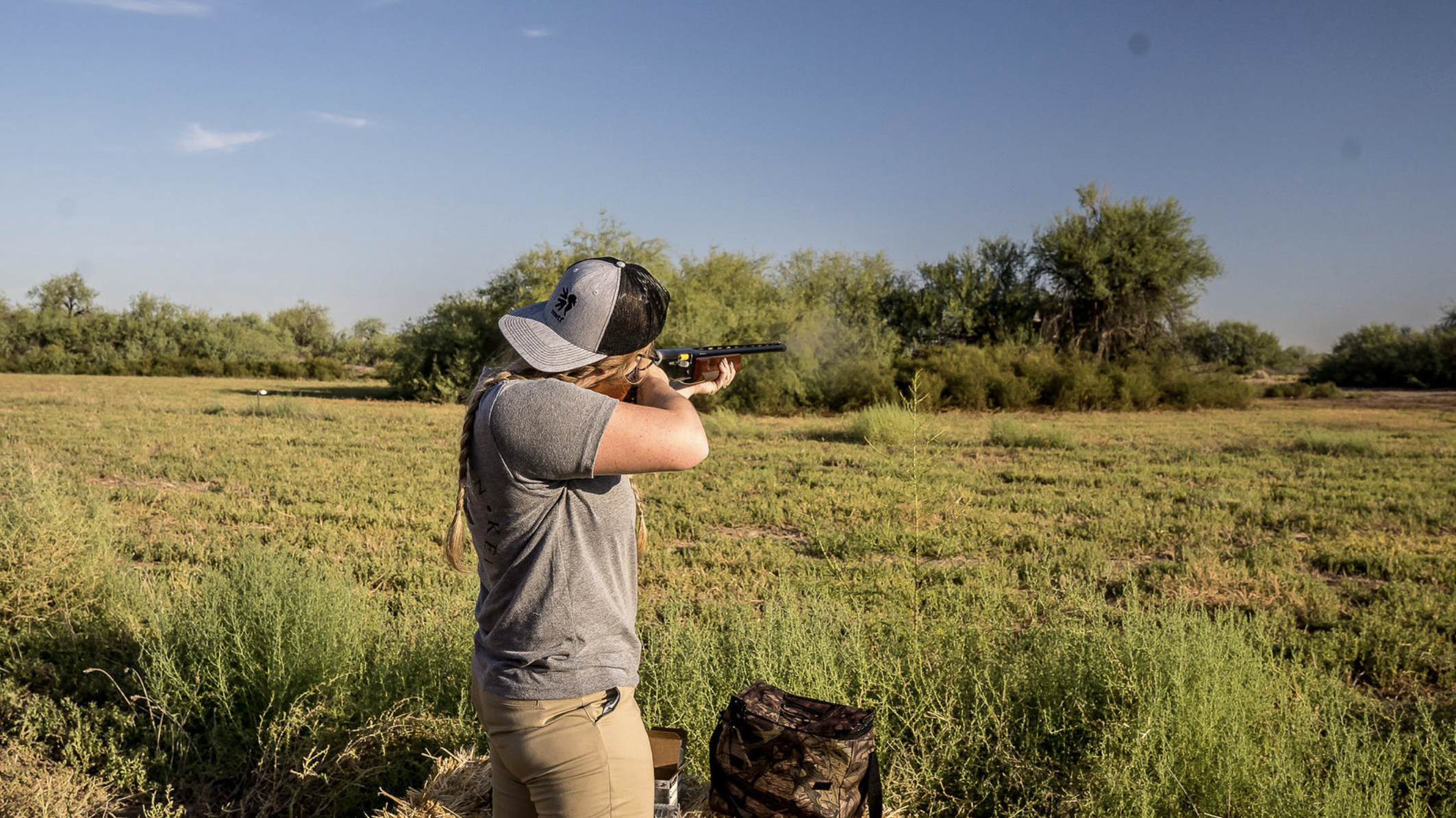
Celebrating National Shooting Sports Month
From those who are new to using a firearm, to experienced competitive shooters, everyone has something to celebrate during National Shooting Sports Month. Organized by the National Shooting Sports Foundation (NSSF), this month is a time to celebrate the community and camaraderie that is built through mentorship and memorable range experiences.
“Participating in shooting sports creates a place for community to flourish, and for an individual to flourish,” said Jesse Warner, NWTF R3 coordinator for the northeast. “It allows for in-person communication with folks on the range, and it allows an individual to improve their skills and identify where they might need work.”
On an individual level, getting involved with shooting sports teaches self-discipline and self-reflection. Taking the time to work on shooting skills requires patience and attention to detail, which can be hard to prioritize in other disciplines.
But unlike other outdoor activities, getting involved with shooting sports carries an intimidation component for new participants who have never handled a firearm. Practicing with mentors or attending outreach events allows new shooters to learn how to safely handle a firearm. The NSSF has a 'Where to Shoot' resource to help eliminate any potential barriers. State agencies and nonprofit organizations like NWTF also offer several different free shooting sports programs aimed to help those with little to no familiarity with firearms. Those are great opportunities to work with someone who is confident and experienced, allowing new shooters and potential hunters to ask questions.
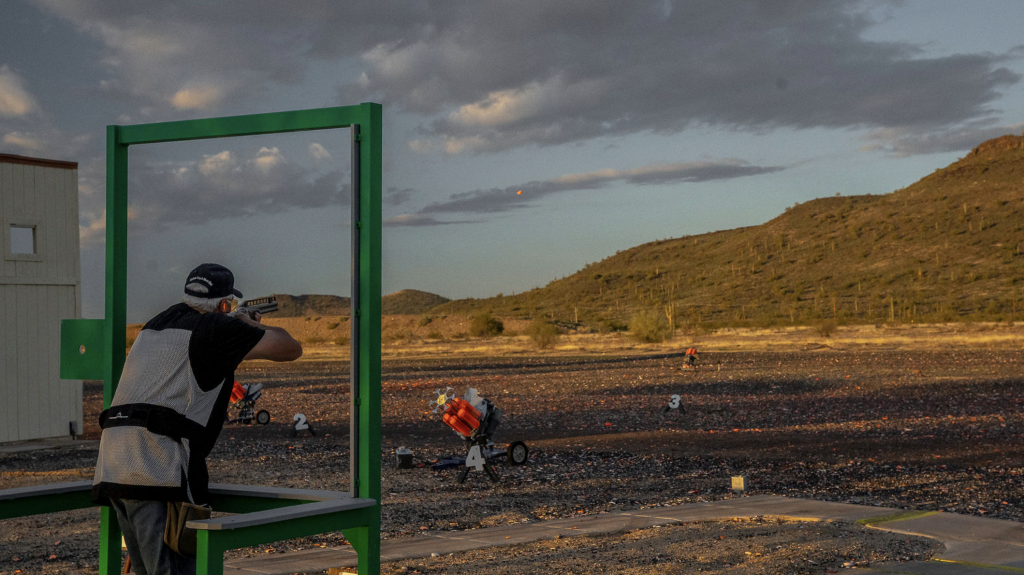
“Shooting a firearm is the biggest hurdle for someone wanting to get into the sport, whether it's from lack of familiarity, or comfortability,” said Morgan Evans, NWTF R3 and relevancy coordinator. “Shooting sports are a great segway into hunting for that exact reason. For example, if I don't have the confidence to shoot my firearm, then I'm not going to want to sit out in the field because I wouldn’t be taking an ethical shot. Your aim and shooting skills are really what set you up for a successful hunt.”
On a national level, the growing number of non-hunting firearm owners and target shooters are contributing significantly to Pittman-Robertson fund in every state, due to the excise tax on firearms, ammunition and archery equipment that funnels funding into state wildlife agencies for habitat restoration, hunter and firearm education, and recreational access projects.
“Shooting sports have such a huge financial component that funds our nation’s conservation priorities,” Evans said. “Pittman-Robertson funds from all firearms and ammunition totaled $804,790,385 during the 2025 fiscal year, and about 80% of those funds came from sports shooting.”
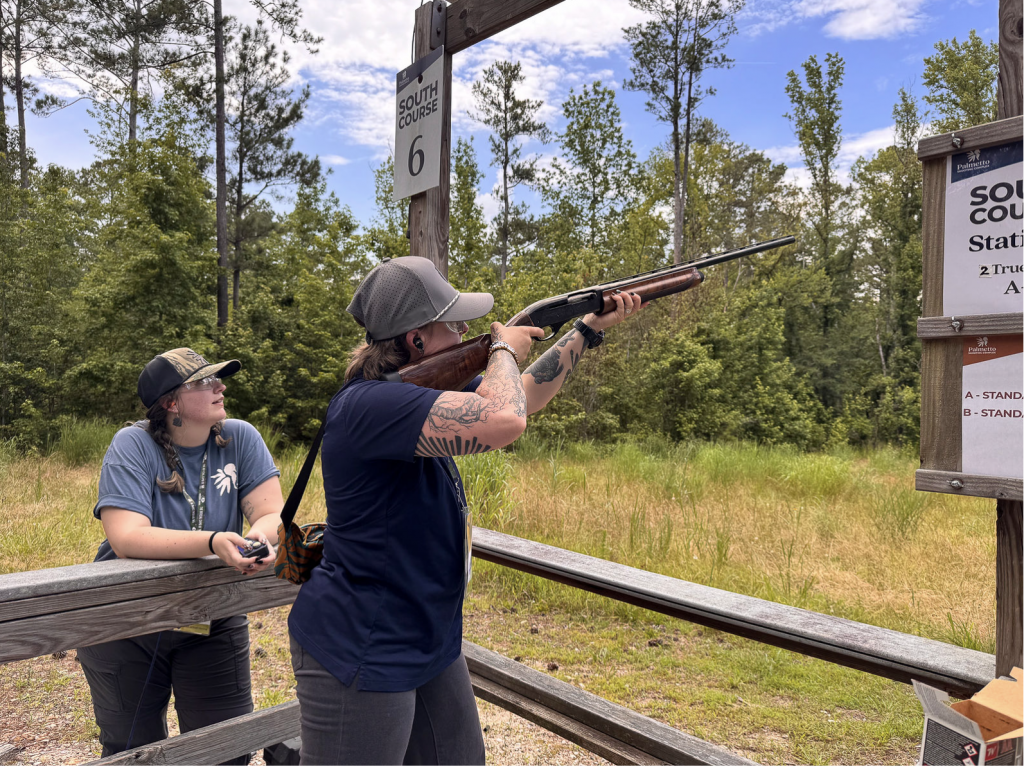
But shooting sports are seeing a decline in support, in terms of both funding and social. To address this, Jen Davis, the NWTF hunting and shooting R3 coordinator for the state of Michigan, has begun working with local NWTF chapters in the state to support local shooting sports’ teams at the middle and high school level. By providing funding and mentorship to young shooters, NWTF chapters build a connection with youth shooting sports enthusiasts and, hopefully, a future member and voice for hunting and wildlife conservation. A stronger community is forged.
With efforts like these, NWTF volunteers continue to create opportunities for everyone to get involved in shooting sports and preserve our nation’s hunting heritage through the Pittman-Robertson funding cycle.