30 Years After the Turkey Bible
The author compiled the most comprehensive wild turkey management book of its time three decades ago. Things have changed since then.
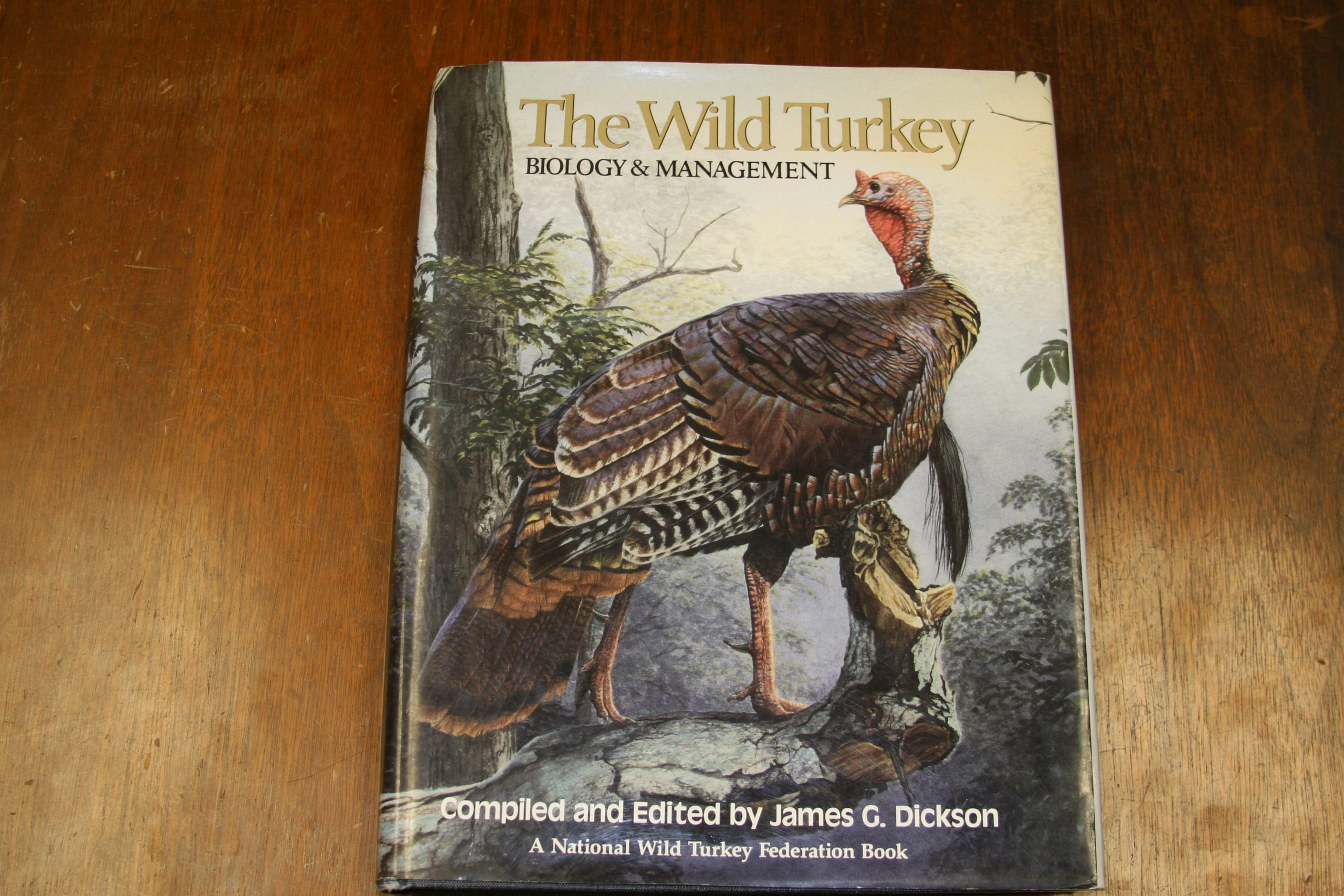
Putting together The Wild Turkey: Biology and Management was a labor of love for me. The most accomplished turkey biologists and I produced a winner. But how have things changed in the 30-plus years since?
First, I’ll address the most obvious and challenging to me: population dynamics, the ups and downs of wild turkeys.
In the early 1900s wild turkeys were extirpated from much of their historic range, and estimates were less than 250,000 nationwide. There’s not many of us left that can remember our youth of no turkeys. The mid-1900s brought wholesale trap and transplant; that worked BIG TIME. The gobble of the wild turkey rang true as probably never before.
Wild turkey populations nationwide were high when we finished the book, estimated between three and four million. Numbers increased the next decade-plus to nearly 7 million, but populations have declined recently in much of traditional habitat, such as the South and Eastern U.S, and in some more recently stocked areas such as the Midwest.
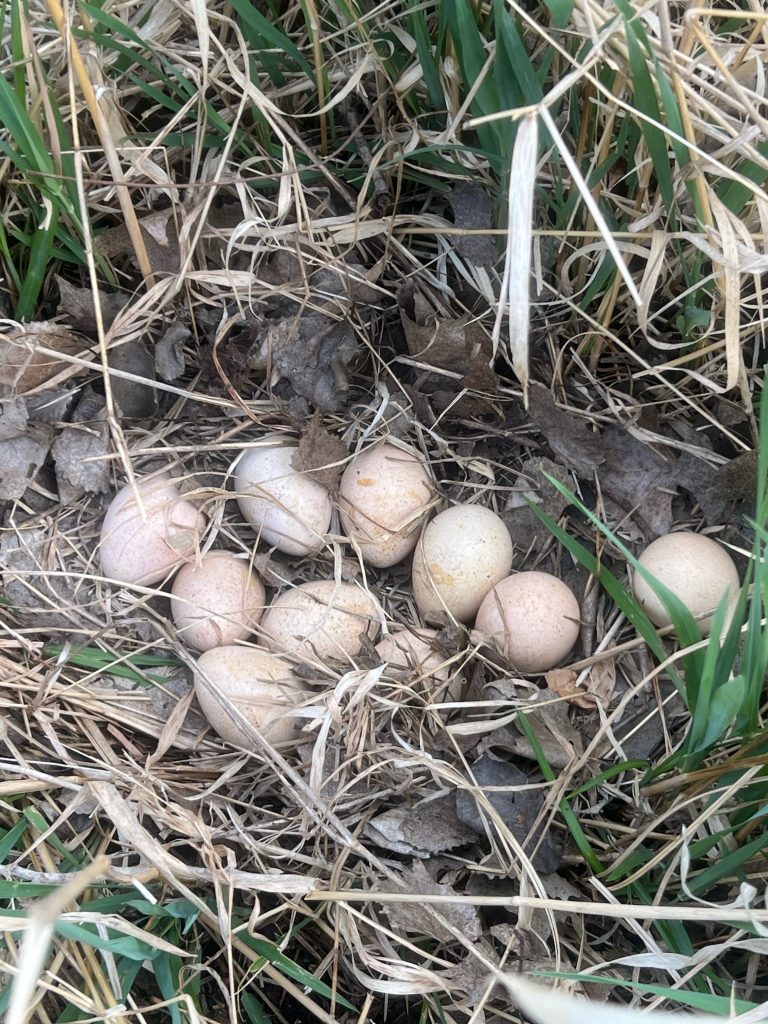
I have a general rule of thumb for productivity, based on historical data. About half of the hens are successful in nesting. About half of the nests are successful. About half of the poults are gone by the time they can fly, mostly to predators and inadequate habitat. Recent studies reveal data below this threshold. There are a few general ideas behind this decline, but specifics remain elusive. Some intrinsic factors likely, but a combination of issues and interactions come into play.
Variability is a general theme in nature. That’s just the way it is. Early wildlife books documented population cycles of three, four or 10 years. Newly stocked wild turkeys usually flourished. Stories abound of stockings of a few turkeys that became hundreds or thousands in a few years.
The reverse happens also. It seems at high prey densities, predators develop specific search behavior. And there are a lot of things that prey on or disturb nests: rat snakes, crows, ravens, wild pigs, skunks, and especially raccoons. I see raccoon tracks in about every mud hole I inspect. I hunt turkeys in Nebraska along a river managed mostly for nesting shore birds and migrating cranes. I saw a raccoon trapper making his rounds. I asked him how many he traps each year. After thinking on it, he replied, “about 500.” I happened on a nesting hen adjacent to a pond near a captured raccoon. I doubt that hen would have been successful without raccoon control.
More predators abound: hawks, owls, coyotes and bobcats as poult predators.
Predator trapping or other control on a limited scale may help. There is a mostly specific trap designed for raccoons that is effective. But trapping is restricted in many places. People and pets are everywhere. Control efforts are difficult to sustain.
Deer and deer feeders are prominent in places. Deer and turkeys may feed there, but also raccoons, crows and wild pigs. Diseases may play a role. Not virulent ones that kill directly, but insidious ones that may depress immune systems and reduce reproduction.
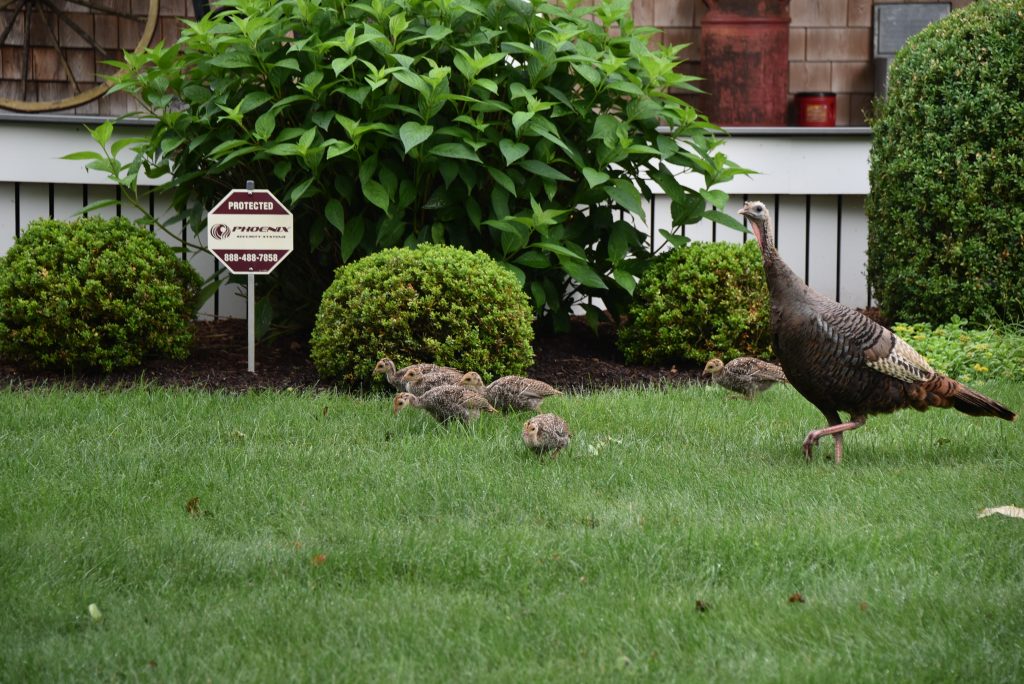
On the other hand, wild turkeys have flourished in some newly stocked areas in the West. And the wild turkey, the only bird with the official American Ornithological Society name including “wild,” thrives in some suburbs.
I struggled to get good photographs for the book decades ago. My wife and I have gone back to Massachusetts every summer. There I ride around early mornings and take turkey pictures out the car window. I just have to explain to the summoned police, no house shots, only turkeys.
Local turkeys are doing well there and elsewhere. They just roost in the tall white pines and parachute down at good light for a bird-feeder breakfast. Yards there with nutrients and water supplements are good sites for feeding or strutting.
Overall, traditional habitat loss is likely a factor in population declines. Technology has advanced. Now turkeys can be equipped with GPS units that are efficient in transmitting data to computers that analyze everything. Satellites document landscape-scale habitat data. GIS capabilities allow data assessment on multiple layers. Game cameras are prying eyes everywhere. And everyone is equipped with a communication device that does a lot more.
Hunting pressure has increased and techniques in hunting have as well. Calls, locators, blinds, clothes, guns, shells, maps – everything but maybe the hunter.
Habitat management has changed also. On federal land there has been a shift from a hands-off/wilderness objective to a more active management regime. This is needed. Habitats don’t develop into a desired state automatically.
Invasive plants are a problem. Riparian zones are critical habitat, particularly the more arid habitat regions. Much effort is devoted to reducing invasives such salt cedar, Russian olive and juniper, all of which can dominant habitat to the detriment of wild turkeys and other wildlife. Retaining and regenerating cottonwood trees is a challenge in places.
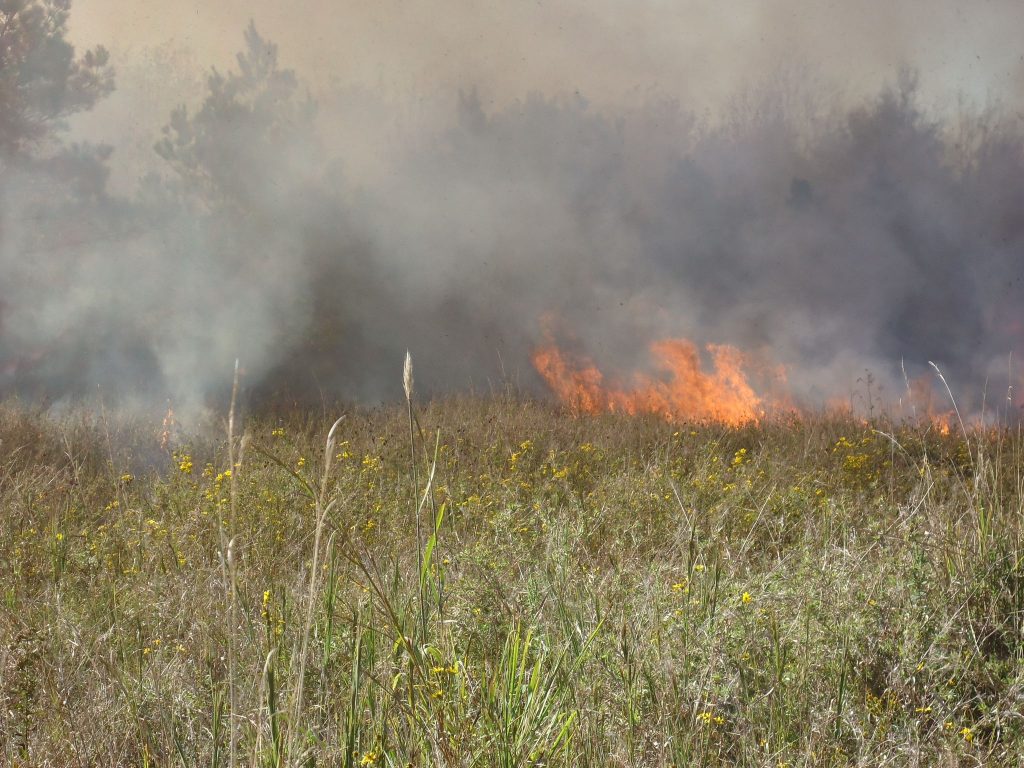
Young poults require grass-forb habitat for the arthropods (insects) there. Fallow fields are good, but grass-forb habitat often is limited. It is not a typical land use. And unless maintained by disturbance such as fire or discing, they naturally transition to woody brush, not suitable for turkeys. I don’t believe the public understands plant succession. Prescribed fire is usually positive, but all fire is not good. Fire intensity, extent and timing is still debated.
Thinning is another useful tool. Managers can take out encroaching tolerant trees with less value for turkeys in favor of oaks that are better. Thinning that promotes increased light on the forest floor enhances fruiting of understory shrubs, such as dogwood, and herbaceous grass-forb vegetation.
In land use, dominant monocultures (growing one single crop or vegetation) over large areas are not ideal for wildlife. The agriculture pest plant list is also the wildlife food plant list. The better we are at managing land for specific crops, the less the inherent wildlife value. But the wild turkey is resilient. Be thankful.
Support wildlife agency efforts to reduce hunting pressure to address population declines where needed. Think about what your grandchildren may hunt, rather than how much you can hunt now.