A Landowner’s Success in Creating Habitat for the Hatch
As a prescribed fire burned through the bottomlands of Northeast Texas earlier this year, it didn’t just bring green shoots and new wildflowers, but it ignited stewardship and a bright future for wild turkeys in the region.
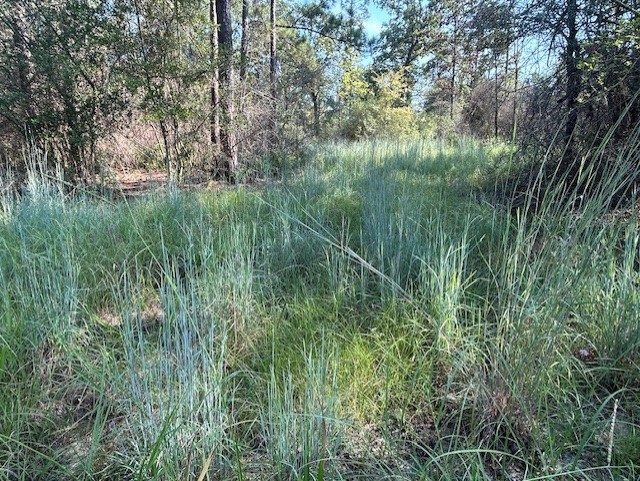
Colton Wegner, a private landowner along the Trinity River in Northeast Texas, faced no shortage of adversity this year when it came to managing his family’s property, the multi-generational James Hornbeck Ranch, from flooding to unpredictable drought and rain cycles that delayed plans repeatedly. It took him and his family seven separate phases between late February and August to complete their prescribed burn plan, carefully adapting to weather and ground conditions.
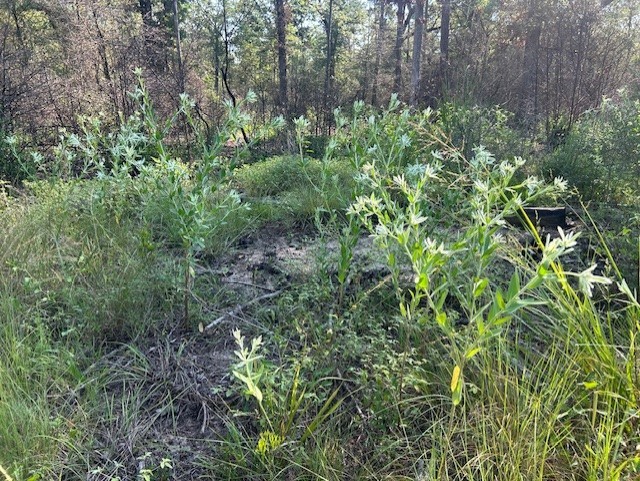
However, by the end, the results were undeniable. The lush, herbaceous growth that hens need for brood rearing exploded. What’s more, a rare wildflower even emerged.
“We also noticed a new plant species I have never seen before in East Texas,” said Reuben Gay, Texas Parks and Wildlife Department wildlife biologist. “It was the Snow-on-the-Prairie (Euphorbia bicolor) wildflower. This is a great example of how significant growing season burns are in our region.”
The success of the prescribed burn illustrates how the NWTF’s Habitat for the Hatch Initiative — in conjunction with partners — is working across boundaries to improve nesting and brood-rearing habitat across the wild turkey’s range.
And in Northeast Texas, this work finds vital support through the Northeast Texas Conservation Delivery Network’s Habitat Incentive Program — a collaborative effort helping landowners like the Hornbeck family implement meaningful conservation practices that directly benefit turkey populations and the broader ecosystem.
NWTF District Biologist Annie Farrell has played a pivotal role in the incentive program, from ranking proposals to creating landowner agreements to processing payments.
"The NWTF pays landowners a certain amount per acre for doing habitat practices such as prescribed burning, herbicide application and mulching," Farrell said. "Considerable funding is focused on habitat work in Texas Parks and Wildlife Department’s Eastern wild turkey priority areas, which include the Sulphur River, Neches River and Trinity River Priority Areas, the latter of which is where the Hornbeck Ranch saw incredible results. More than $1.7 million has been allocated to private landowners through this program."
Prescribed fire is one of the most powerful habitat management tools available, especially when used strategically in both dormant and growing seasons, as Wegner demonstrated. These burns reduce invasive vegetation, stimulate plant diversity and create the open, productive landscapes wild turkeys need to thrive — especially during the critical nesting and brooding seasons.
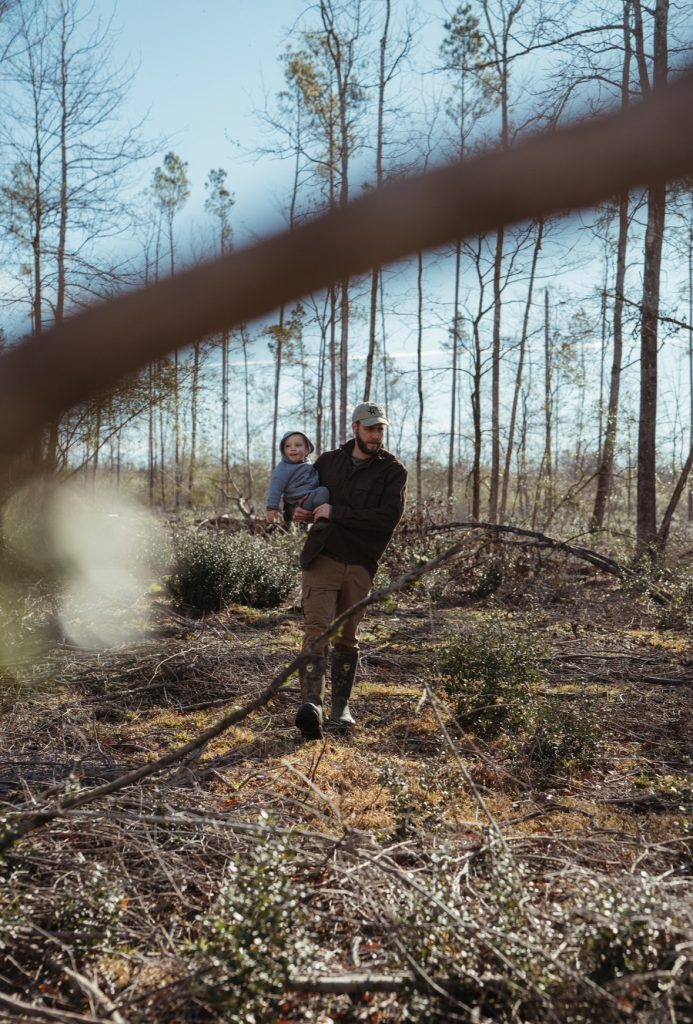
In addition, this was the first burn conducted on the family property since Wegner’s grandfather passed away. The results have fueled his drive to continue habitat management, ensuring this land remains healthy and productive for years to come.
“For me, carrying on this family legacy means a chance to honor everything my grandfather invested in this land, Wegner said. “His ideas and approach are still very prevalent in the decisions we make, and it becomes clearer every day that what I do now is so that my two boys can experience the rewards of these efforts, too. I’m grateful for the relationships, support and ongoing wildlife efforts across the state that help ensure our actions today will benefit the next generation.”
Increased wild turkey sightings along the Trinity River corridor are evidence that these efforts aren’t going unnoticed by the local wildlife. Turkeys are responding, as are pollinators, deer and countless other species that rely on the same mosaic of habitats.
Why Private Land Matters
Over 90% of Texas is privately owned. That means the future of wild turkeys — and countless other species — hinges not just on public land efforts, but on the decisions made by private landowners like the Hornbeck family.
Along with the Northeast Texas Conservation Delivery Network, the NWTF’s Habitat for the Hatch Initiative is working with partners across the Southeast to impact wild turkey nesting and brood-rearing habitat on both public and private lands.
Whether it is working with the USDA Natural Resources Conservation Service through programs like the Agricultural Conservation Easement Program or the NWTF’s National Forestry Initiative or working with state agencies through programs like the Wild Turkey Cost Share program, the NWTF is working with a variety of partners to impact turkey habitat across boundaries on a landscape scale. Wild turkeys do not know boundaries, and neither should conservation.
The Hornbeck family’s accomplishment this year isn’t just a family win or a local habitat success. Rather, their efforts are part of a bigger movement and represent the increasing desire to conserve wildlife and the natural resources they depend on — and preserve the natural heritage that sustains us all.