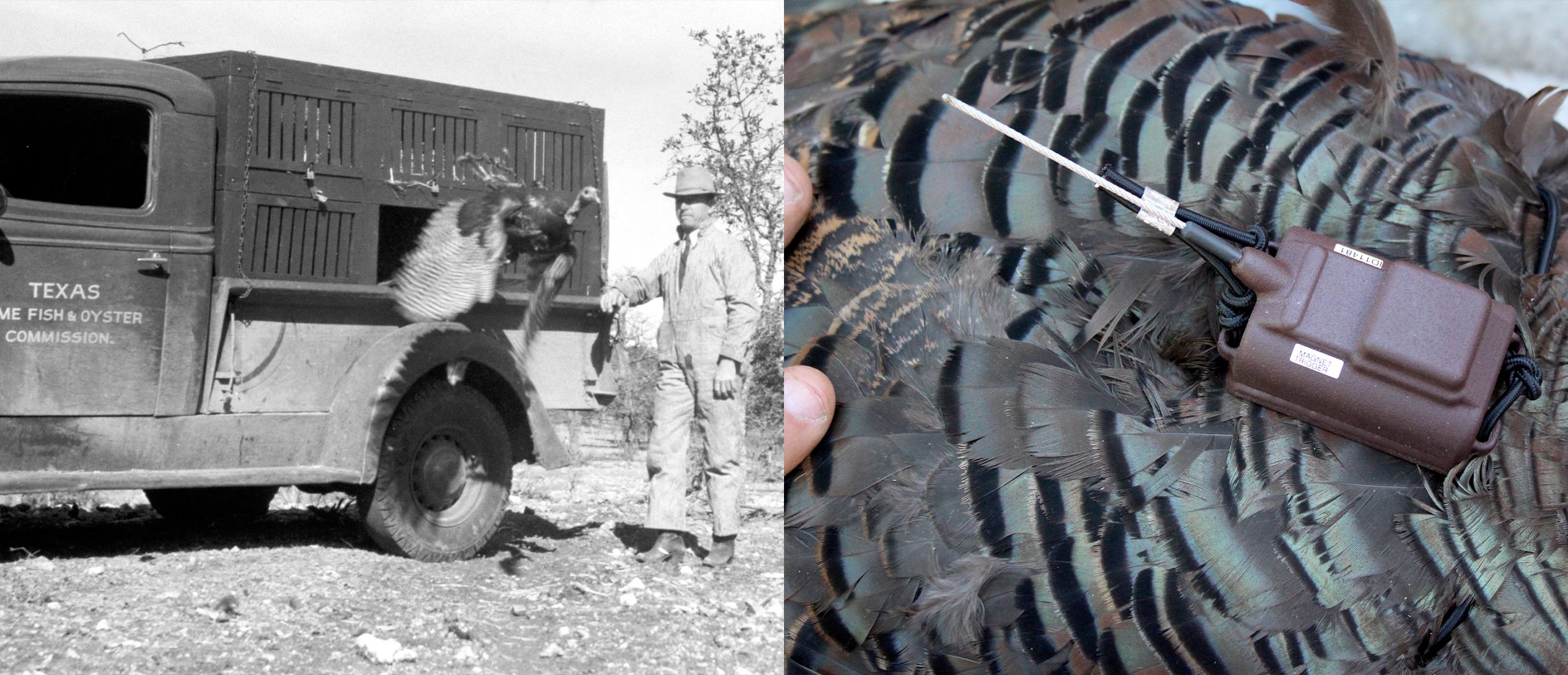
A Look Back, A Look Forward
Two complementary panel sessions at the NWTF Convention and Sports Show’s Conservation Conference focused on a look back at the federation’s first 50 years and an overview of future direction.
Co-CEO Becky Humphries, who retires this year, moderated the first session which included several former and longtime federation employees. Dr. James Earl Kennamer, the federation’s first conservation chief, now retired, smiled as he recalled, “The entire federation staff could travel together in an Oldsmobile station wagon. We’ve come so far, done so much.”
Kennamer also shared stories of how early research efforts and concerted work to forge relationships and partnerships with state agencies grew in the Technical Committee and eventually resulted in the creation of the Wild Turkey Symposium, where researchers share cutting-edge studies every few years.
The Technical Committee was roundly hailed as an innovative model of collaboration, showing how biologists and managers across the entire range of wild turkeys could come together to share data and information and attempt to solve problems.
Joel Pederson, a wildlife biologist by profession who once led NWTF’s government affairs operations, recalled how NWTF headquarters staff had to offer assistance across much of the nation. The structure enjoyed today that includes regional biologists wasn’t yet in place. Pederson is now President and CEO of the Mule Deer Foundation.
Mark Hatfield, NWTF director of conservation services, led the Look Forward session, prefacing his comments with a nod to NWTF’s recent “branding” initiative, a process still in progress. He noted, “We may have a new logo, but the mission has not changed.” Hatfield noted the need for groups like NWTF to remain relevant in a changing world, expanding their scope while honing the specificity of mission delivery efforts. The federation’s volunteers remain central to the organization’s efforts, but partnerships will certainly evolve and change in coming years.
Hatfield asserted that research, one of the main tenets of the NWTF’s founding in 1973, will re-ascend to prominence. Efforts to increase and improve outreach and education, with an emphasis on preserving and promoting an outdoors lifestyle that includes hunting will also be central.
Mandy Harling, NWTF’s National Director of Education and Outreach Programs, echoed that, noting the federation would focus on the ongoing need for public support for conservation and hunting, better equipping volunteers to expand their delivery of education and outreach events, and extending communication reach and diversity.
Tom Spezze, NWTF’s National Director of Field Conservation and State Policy, talked about future programs and sustaining momentum of projects such as the Rocky Mountain Restoration Initiative. He noted that initiatives like RMRI, that incorporate landscape-level improvements will be increasingly important in the future.
Co-CEO Kurt Dyroff wrapped up the sessions, asking attendees to ponder just how much the world has changed since 1973, with incredible population growth and technological advances. His message, to paraphrase, is to embrace the future – and the changes needed to succeed in that future.