Aspen Restoration on Oregon’s Malheur National Forest Continues to Thrive
EDGEFIELD, S.C. — Aspen stands are some of the most biologically rich habitats in the West. These vibrant groves support an abundance of wildlife — from wild turkeys and big game to songbirds and pollinators — while also playing a key role in watershed health. Over the past several years, the National Wild Turkey Federation has been working with partners on the Malheur National Forest to restore and conserve these critical habitats, and the results are already visible on the landscape.
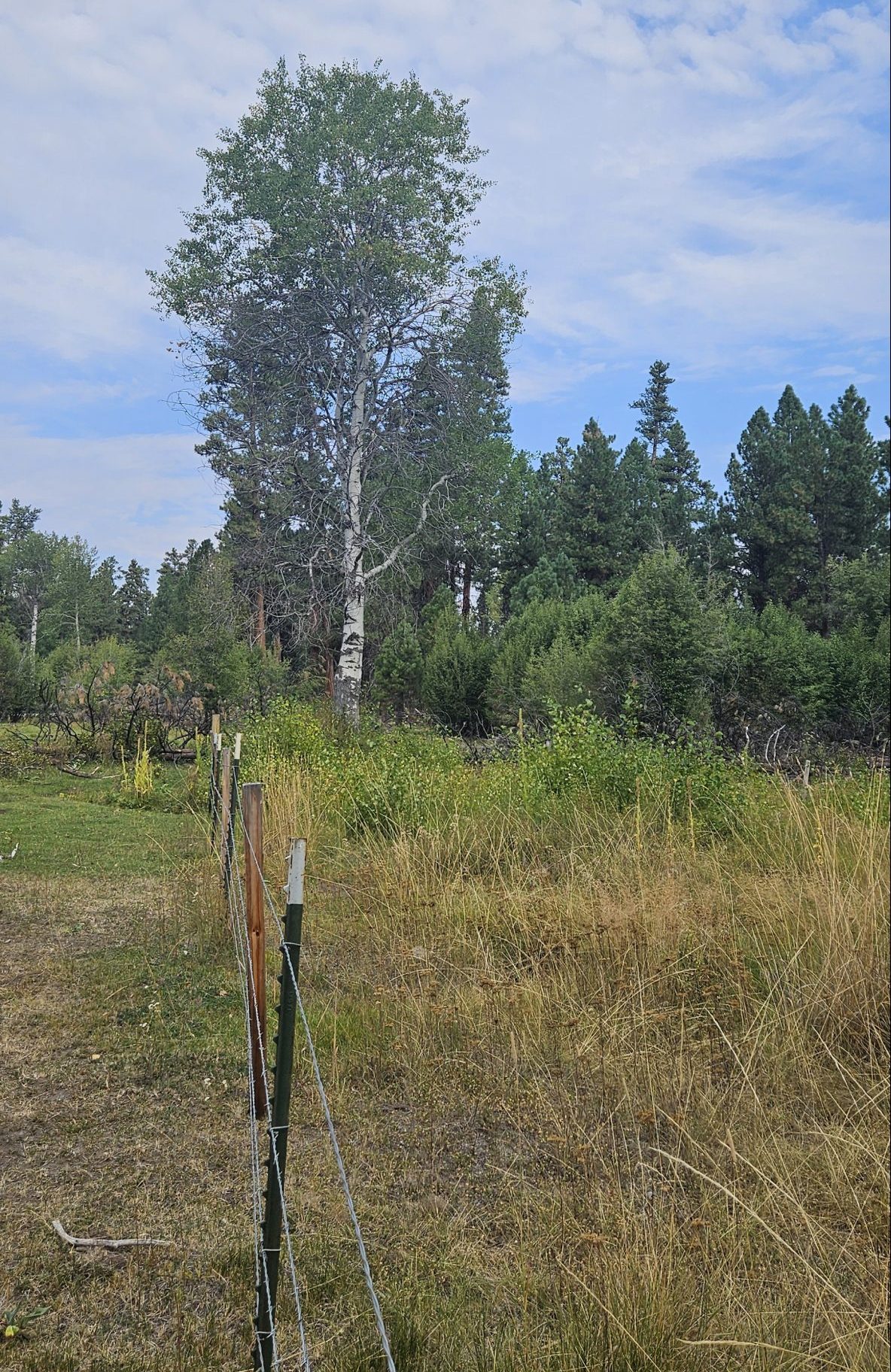
In 2020, the NWTF and the U.S. Forest Service launched the Starr Aspen Project, a multi-phase stewardship project near John Day, Oregon. The goal was to help struggling aspen stands recover after years of conifer encroachment and heavy browsing by ungulates.
The project was completed in several stages:
- In 2020, 26 acres of non-commercial aspen restoration were completed.
- In 2022, a 93-acre timber sale was completed with an emphasis on conifer removal for the benefit of aspen stands. Nearly one mile of stream and meadow enhancement work was also completed during this phase.
- In 2023, fencing was constructed around several of the restored aspen stands to help protect them from browsing by elk, deer, wild horses and cattle.
Two years after the project's completion, the impact is clear. Aspen suckers are thriving inside the fenced areas, demonstrating the resilience of these trees when given the chance to regenerate. During a recent site visit, a flock of wild turkey hens with their poults was observed using the restored aspen stands — a promising sign for wild turkey habitat.
“This work shows how quickly aspen can respond when we reduce pressure from browsing and remove conifers competing for resources,” said Krista Modlin, NWTF district biologist for Oregon, Washington, California and Nevada. “Healthy aspen stands create diverse habitat for a wide range of wildlife. Seeing turkeys using these areas again is a great indicator that the ecosystem is bouncing back.”
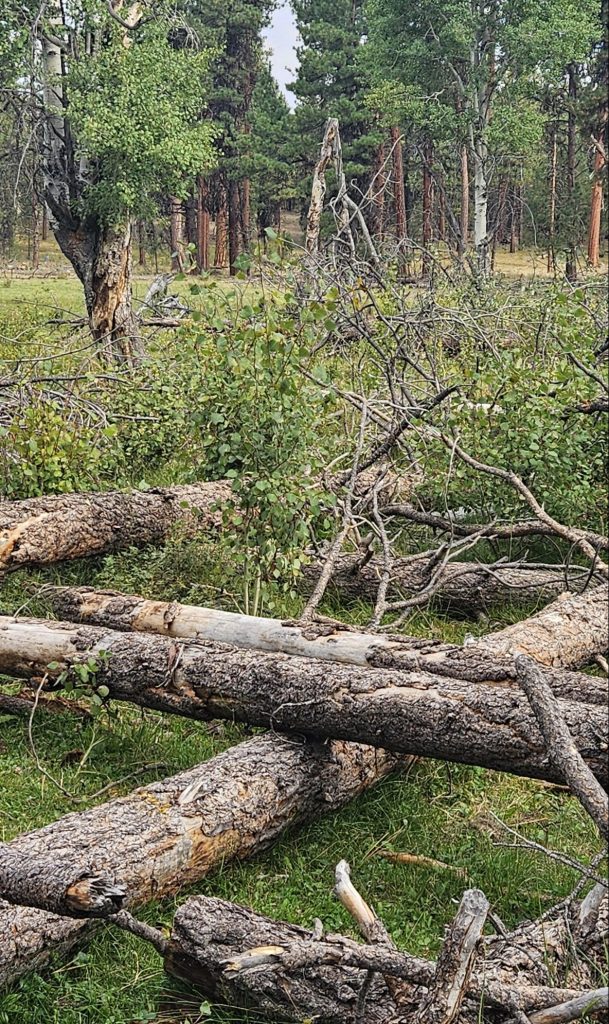
Funding for the Starr Aspen Project was made possible through the support of the Oregon NWTF State Chapter, Oregon Department of Fish and Wildlife and the Rocky Mountain Elk Foundation.
Building on this success, NWTF and the Forest Service are set to begin the Damon Project, which will enhance approximately 153 acres of aspen habitat across 30 individual stands on the Malheur National Forest.
Through projects like the Starr Aspen and Damon projects, NWTF and its partners are helping to ensure that aspen ecosystems — and the wildlife that depend on them — remain a vibrant part of Oregon’s forests for generations to come.
About the National Wild Turkey Federation
Since 1973, the National Wild Turkey Federation has invested over half a billion dollars into wildlife conservation and has positively impacted over 24 million acres of critical wildlife habitat. The NWTF has also invested over $10 million into wild turkey research to guide the management of the wild turkey population and to ensure sustainable populations into perpetuity. The organization continues to deliver its mission by working across boundaries on a landscape scale through its Four Shared Values: clean and abundant water, healthy forests and wildlife habitat, resilient communities, and robust recreational opportunities. With the help of its dedicated members, partners and staff, the NWTF continues its work to provide Healthy Habitats. and Healthy Harvests. for future generations.