Assisting with Survival
Landowners can help wild turkeys survive frigid climates through a variety of methods.
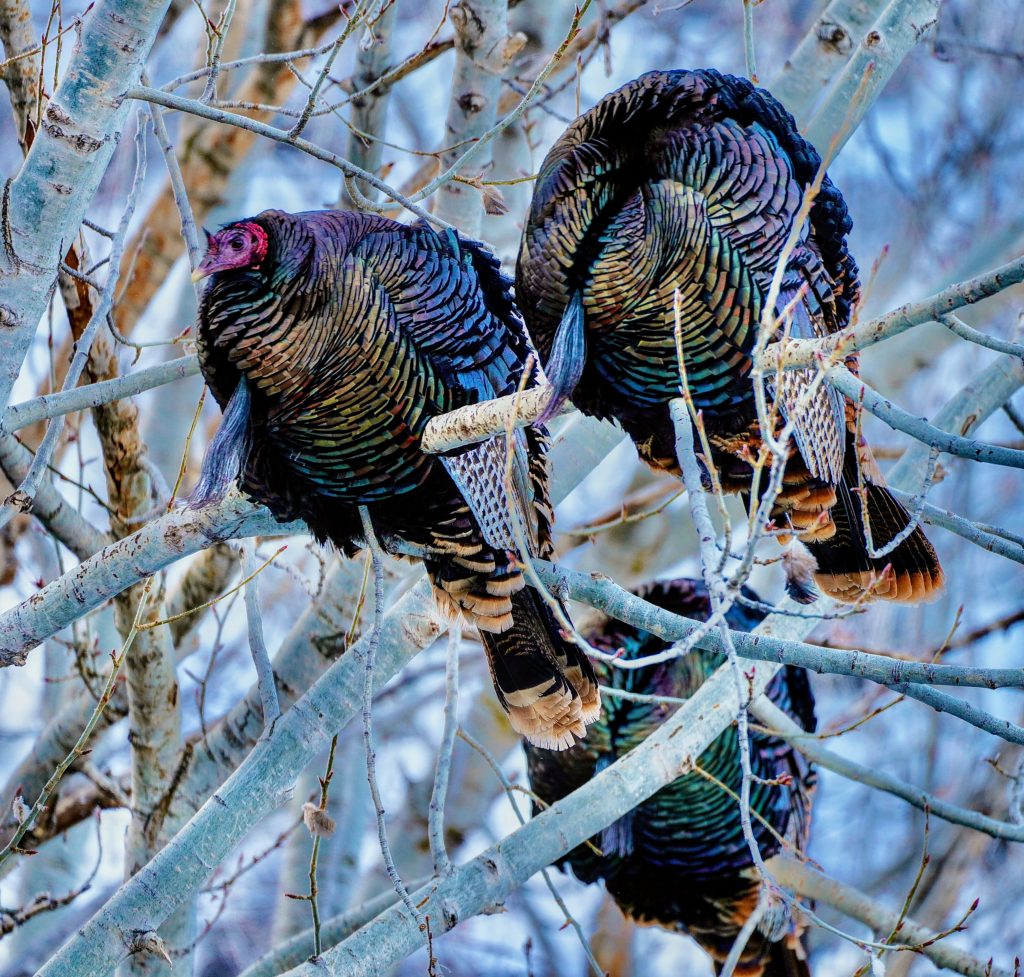
Winter has most wild turkey fanatics patiently waiting for spring hunting seasons, but for the birds, the toughest days of the year are here. Landowners on the northern edge of the wild turkey range can help flocks survive harsh winters with thoughtful property management.
Wild turkeys are hardy, usually capable of scratching away ice and snow to get at food. But if the snow and ice are too thick to access foods on the ground or temperatures too cold for movement and foraging, birds begin using vital fat reserves.
“They can take some snow, and they can survive some real frigid temperatures, but what’s really hard on turkeys are those rare freak years where you get both,” said Clayton Lenk, NWTF Minnesota, North Dakota, South Dakota and Wisconsin district biologist.
A mix of forage choices in a variety of places will help turkeys find accessible food when the going is tough. Tim Barberg of Maximized Habitats in Dassel, Minnesota, recommends planting a variety of mast-producing trees and shrubs to take the edge off harsh northern winters.
“Natural food sources might take a few years to get established but are worth the investment,” he said. “Highbush cranberry produces fruit that lasts into the winter. Crab apples are phenomenal for turkeys. I have a client with trees that will be covered in turkeys through the winter until the fruits are devoured.”
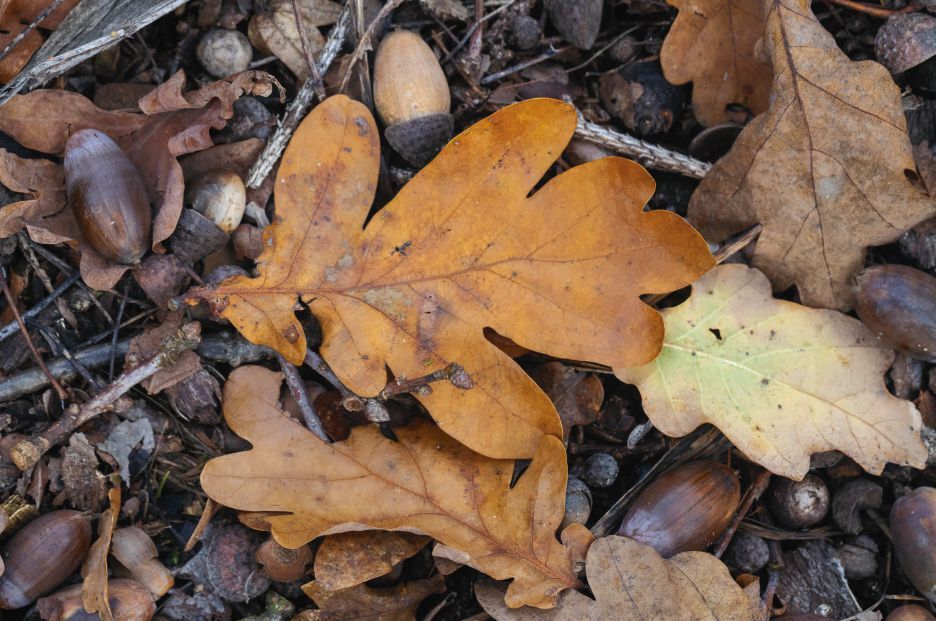
Oak trees are also a boon. Barberg recommends establishing burr or white oaks. These can produce a bounty of acorns that can last into the winter. Lenk likes softer mast producers like black cherry, chokecherry, hazel or dogwoods. Food plots can provide a stable food source but must be big enough to feed turkeys and other wildlife without running out too quickly.
“If you really want to support turkeys, make your plot 2 to 5 acres, rather than a small quarter acre,” Barberg advises.
Cereal grains like oats, rye and wheat are good choices. Corn and soybeans also work. Agricultural row crops with waste grain or animal feedlots with seed or silage piles can help birds through winters. However, feedlots can be problematic if birds concentrate, which can lead to them spreading diseases or getting habituated to them.
Barberg said installing Conservation Reserve Program native prairie plantings (contact your local Natural Resource Conservation Service office for info) is a natural way to provide food through a mix of seasons. The grasses and forbs are great hosts for insects that will feed turkeys in the growing season, and seeds will help the birds get through winter.
Bedroom Near the Kitchen
When planning for turkeys and harsh winters, keep the bedroom near the kitchen. The shorter the trip between the roost and food source, the better on bitter cold days that sap precious calories. Some properties have topography that shields roosting trees from plummeting wind chills. For roost sites with more exposure, consider planting upwind spruce or other conifers that hold their needles and absorb prevailing winds.
A wild turkey’s home range often eclipses an individual landowner’s acreage. Unified efforts among neighbors bolster turkey conservation.
“Maybe you don’t have roosting trees, but your neighbor does,” Lenk said. “Or maybe you have grassland areas for breeding and rearing birds, but your neighbor doesn’t. The spirit of conservation is coming together with neighbors to work for the bird’s benefit.”
Landowners (in the Midwest) looking to improve their properties should check out the recently announced NWTF Roots to Roost Initiative, aimed at restoring prairies, savannas and forests, strengthening conservation partnerships, and enhancing more than 1.2 million acres over the next 10 years. Providing landowners with training and tools is part of the plan!