Be a Disruptor
Disrupting the daily routine of turkeys can put them right into your range.
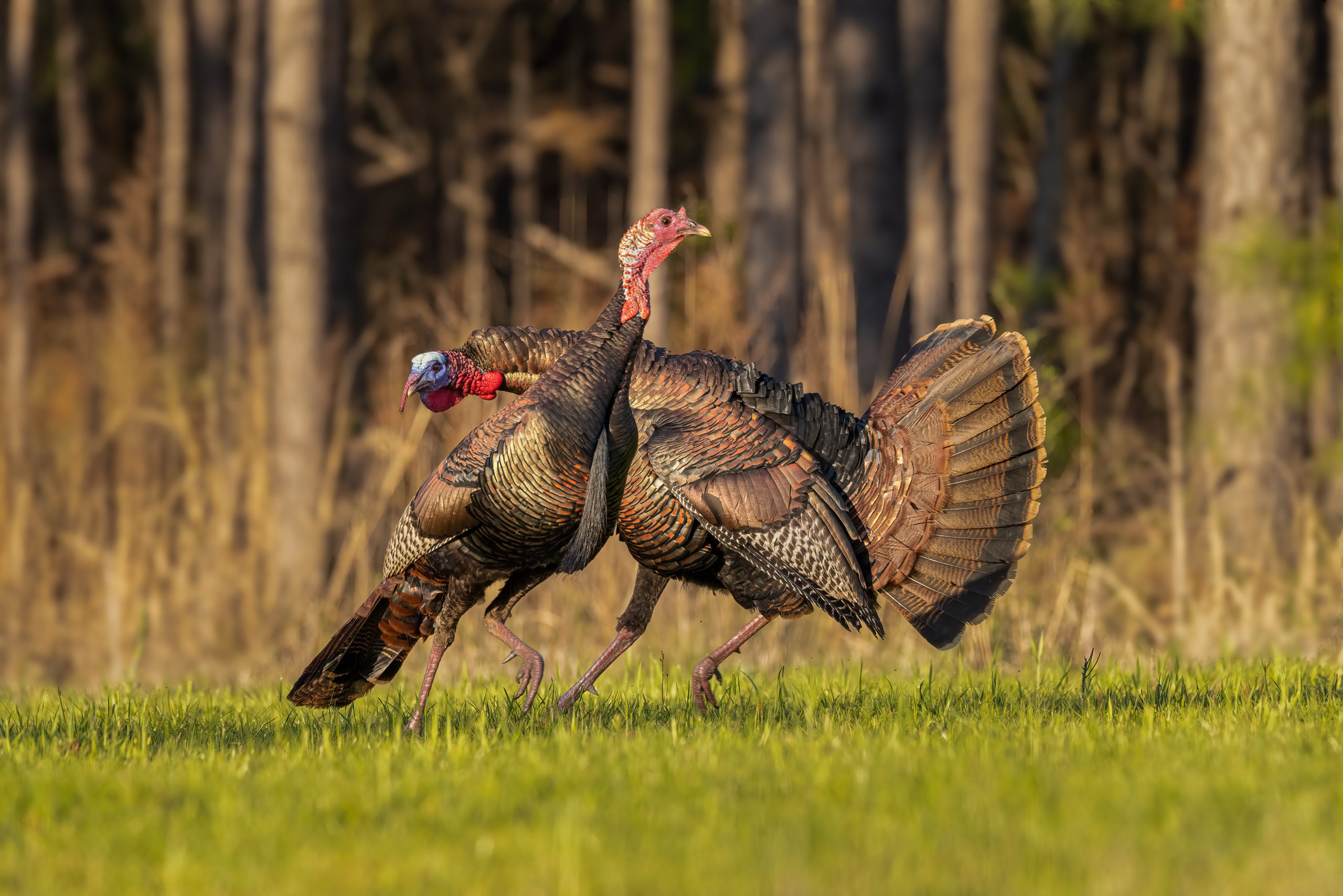
Most critters pattern or follow a schedule. Sometimes, they live by a rigid routine, while other times, they switch up out of the blue. If the turkeys in your area follow a pattern with some degree of reliability, then consider disrupting and obstructing that flock to bring them within shooting range – particularly those stubborn henned-up toms that aren’t interested in playing the field. Think of it this way. Would you be more apt to pause and talk with someone who disrupts your morning coffee stop or go out of your way for a meet-and-greet? Be where they want to be, with a slight disruption, and your chances can increase for a successful close encounter.
Scout a Pattern

Scouting is critical, and even that isn’t foolproof. Winter turkeys often set up a strict pattern that transitions with spring, but once flocks again homestead a spring area, patterns reappear. Scout for traditional roosts, favored roost slopes, green fields, preferred edges and even livestock pastures where turkeys visit to scratch for lunch. One scouting trip will give you a rough idea; multiple trips provide a plan.
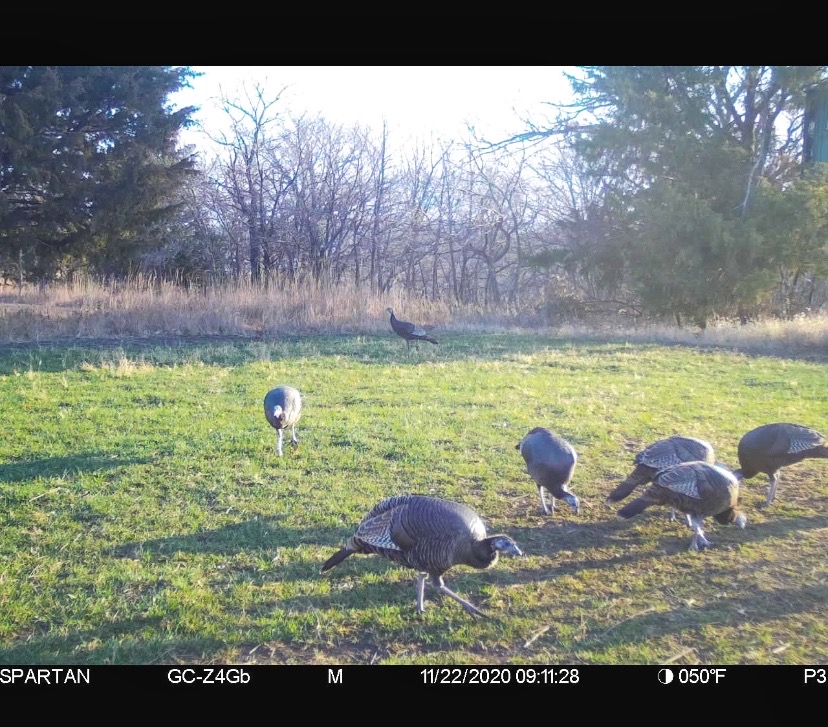
You can use boots on the ground scouting with binoculars but also set up trail cameras (where permitted) to monitor these locations. Cellular cameras offer real-time updates as the season nears to pinpoint where to stage your meeting. Keep a journal of all sightings on your hunting app to reveal patterns with an aerial advantage.
Stake a Hide
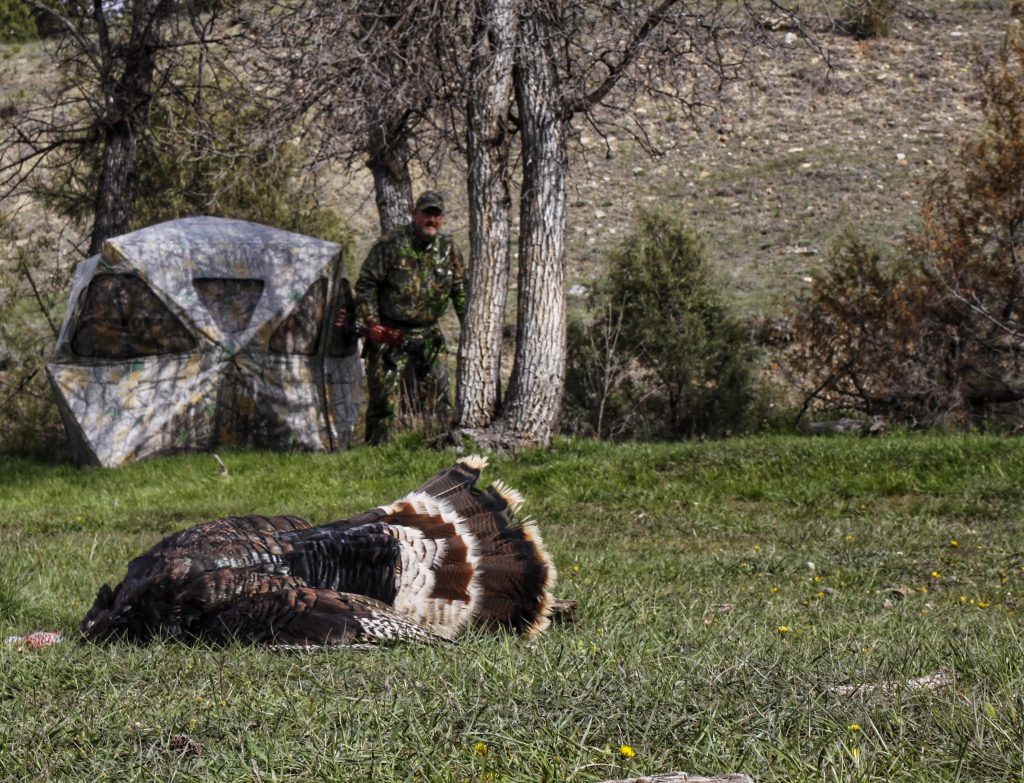
As your notes begin to piece together a pattern, prepare to stake a blind or build a hide in an area that sees consistent turkey visits instead of near an estimated roost site where a turkey can fly down and go in any number of different directions with his harem. Although turkeys do not shy from newly staked pop-up style ground blinds like a whitetail, it never hurts to get them accustomed to the extra landscaping. Follow a similar program to craft a hide from native materials. Pulling together downed logs and adding a curtain of leafy limbs or conifer boughs as your shield ahead of time saves you from potentially bumping a turkey while doing it on the run.
Before the sweat equity, ensure your interference site offers a hidden entrance and exit to avoid alerting birds that may beat you there if they elude you at flydown in the morning or if you’re arriving late. Gullies, ridges and creek banks can provide this cloaked curtain for arrival.
Create Some Chaos
You can persuade a bachelor group of toms or a lone gobbler more easily off the limb. For birds that already have company, you need something to disrupt and obstruct their daily route. Get ahead of them and add a decoy or three. Decoys in the right place and with calling to match the mood can pull birds into your shooting zone without alarm. The birds already have a mindset of being in the neighborhood, and if they see others or hear some subtle turkey talk, the odds increase of them joining the caucus.
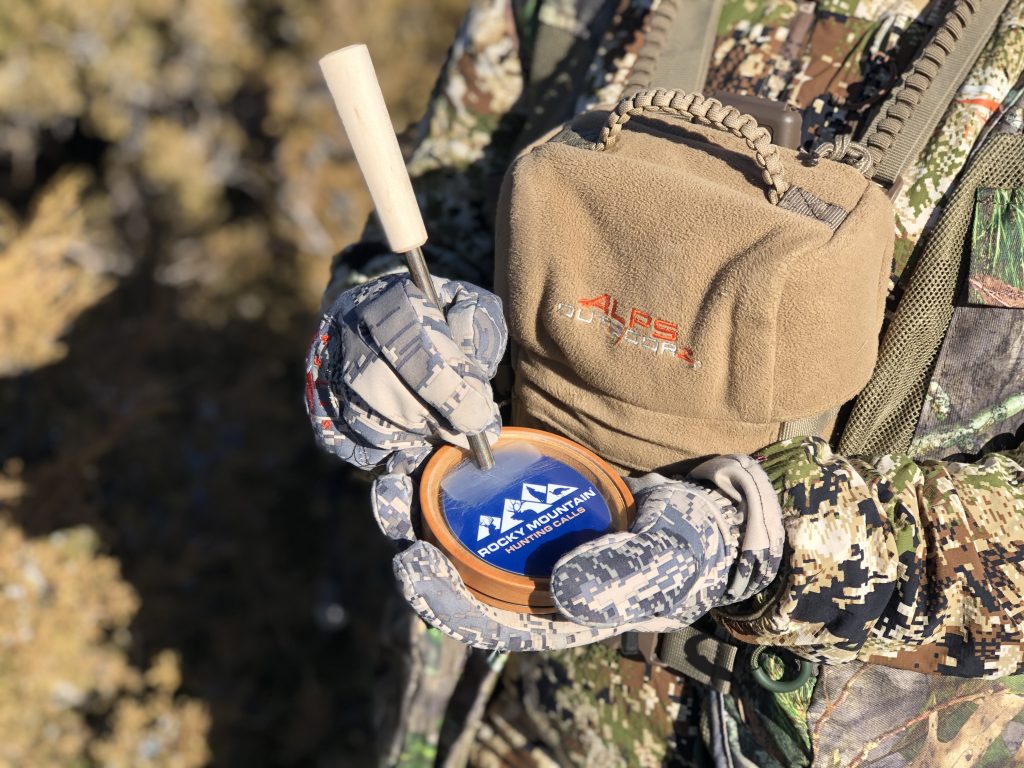
The key to any ruse to be a disruptor in a turkey’s everyday custom is to be reserved. Small talk may add realism with soft clucks, putts or yelps. If a hen turns up the heat, match her with passion, but let her control the conversation tempo.
Be where the turkeys want to be and then disrupt their ongoing pattern for a new tactic this hunting season.