Beating the Heat
Why thermal cover and water quality are important for turkeys this time of year.
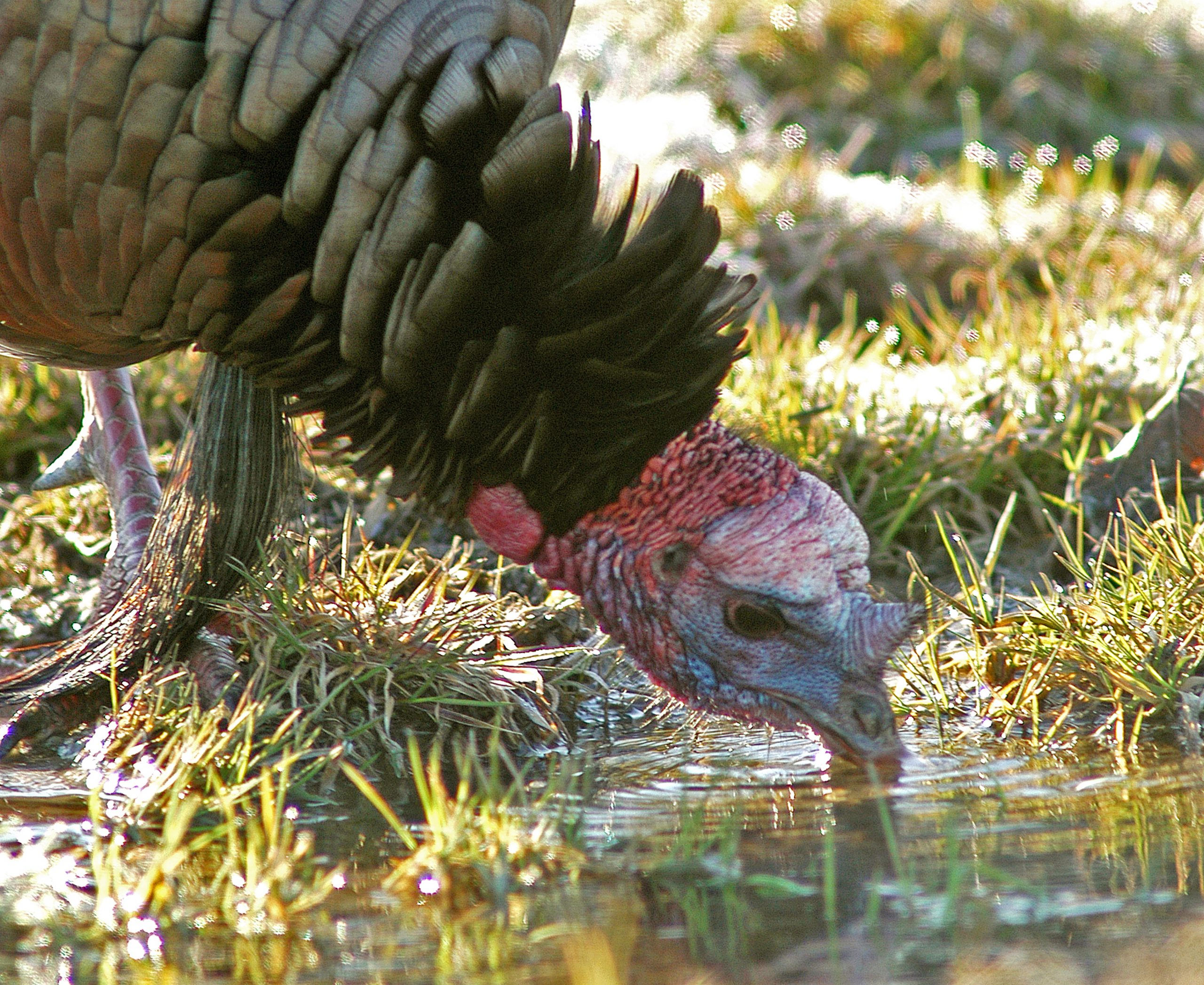
Staying cool for most of us in the summertime is the name of the game. We have air conditioning, water and shelter to beat the heat. Obviously, wild turkeys and other wildlife do not have those luxuries so they must seek out shaded areas to regulate their body temperature and locate a constant source of water. Maintaining or creating these areas should be an essential part of any habitat management plan.
Thermal Cover
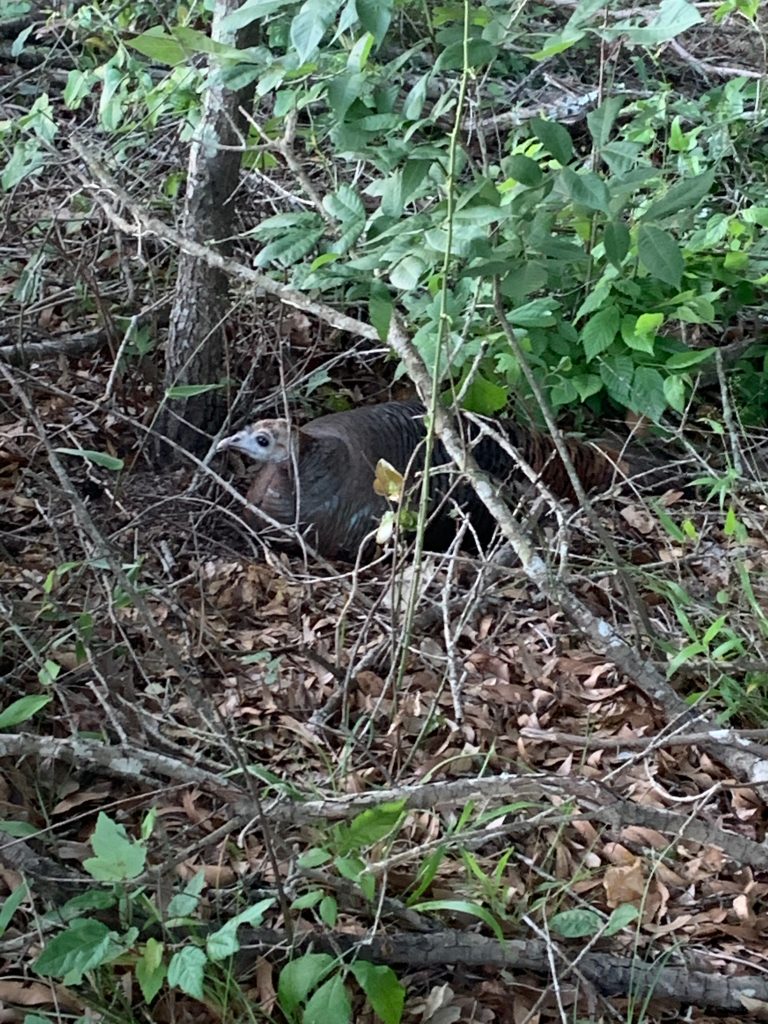
Thermal cover refers to areas that will provide wildlife protection from hot and cold temperatures as well as wind, rain and snow. Various evergreen tree species such as cedar, pine and hemlock, along with deciduous tree species such as oak, poplar and other broad-leaf varieties, can protect from the high temperatures. Depending on your property, these areas can already be present or you may have to create them by planting.
When creating thermal cover on your property, look to establish areas in abandoned fields, food plot edges and close to water sources. You can find most of the suited tree species at tree nurseries, and planting should take place during the winter months.
You can also establish thermal cover in pine timber stands under a prescribed fire rotation. Small areas of hardwood trees within pine stands can be left out of burning simply by putting a fire line around the stand to keep the fire out.
Water Quality
Food, water, shelter and space are the four things that wild turkeys need day to day. To ensure that you provide the best water quality to your property, work to maintain road systems that are close to water sources on your land. Installing proper water bars that slow water flow or runoff and adding gravel where needed can help prevent erosion as well as silt runoff into water systems on your property.
Also, identify Streamside Management Zones, or timber areas left during logging operations. These areas are located near streams or river systems and are mainly made up of a variety of hardwood species of trees. Ensure these areas are undisturbed by equipment and nearby waterways remain protected from erosion and reduced water quality.
Maintaining good water quality and providing cover from weather elements will help ensure healthy populations of wildlife. Contact your local NWTF biologist or professional land manager for more information.
Find your state biologist contact: https://www.nwtf.org/who-we-are/our-people