Calling All Landowners: How to Make a Difference on Your Property
If you own land in the Midwest, you're holding a powerful piece of the conservation puzzle.
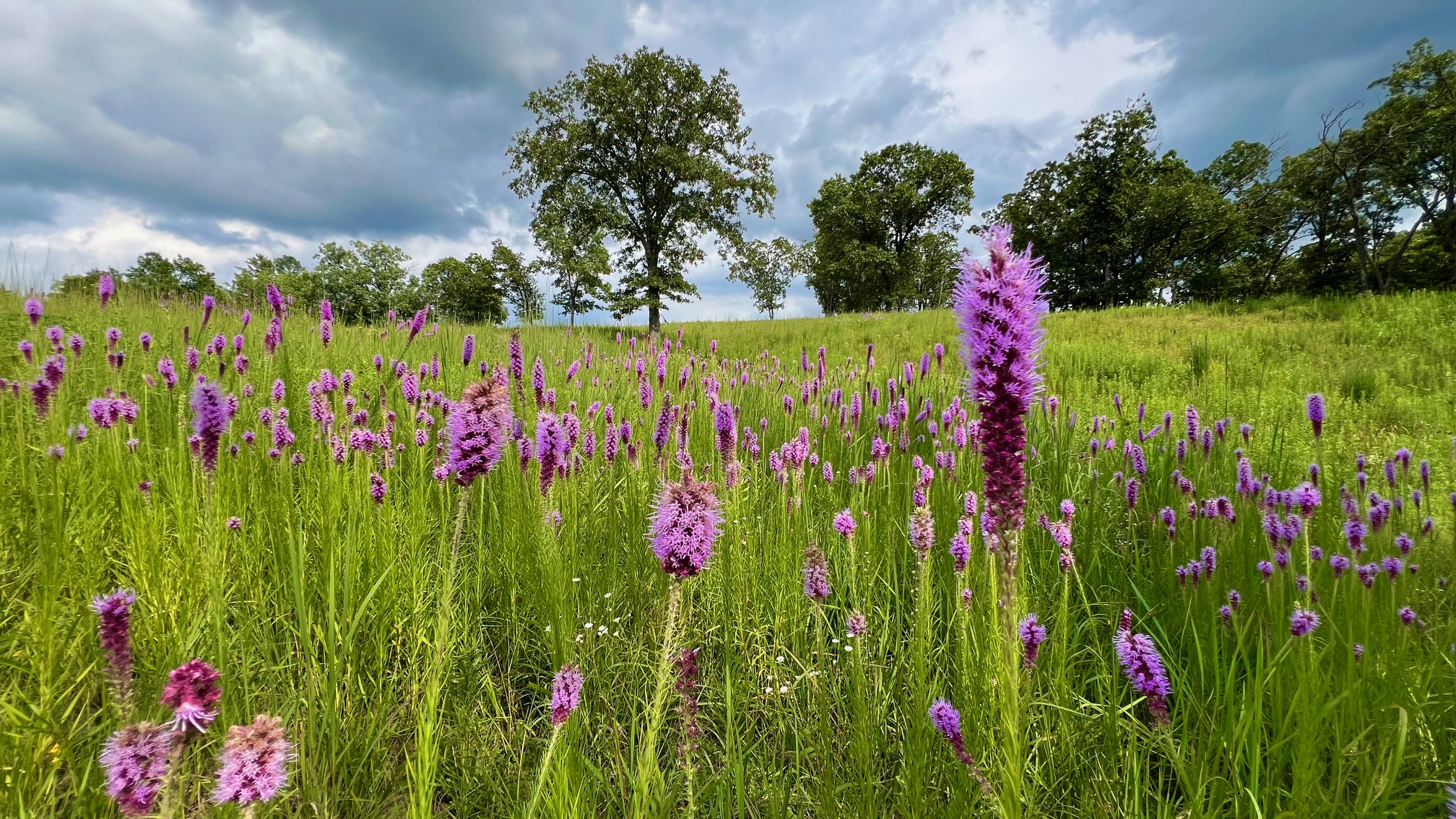
While national forests and public game lands are important for obvious reasons, private landowners manage the vast majority of land in the Midwest. With that comes a unique opportunity to make a landscape-scale difference for wildlife, water quality, soil health and the future of our nation’s natural resources.
Through a variety of programs, the NWTF and its partners are helping landowners unlock the potential of their property to benefit wildlife through practical, science-based land management strategies.
Why Private Land Matters More Than Ever
In the Midwest, where large tracts of agricultural and forested lands are privately owned and public land is limited, meaning impactful conservation cannot happen without private landowners. Wildlife does not know property lines, and, therefore, neither should conservation efforts.
The are a variety of programs landowners can get involved in, like the Environmental Quality Incentives Program and the Conservation Reserve Program. Both of these programs are funded through the Farm Bill and are game changers for private landowners. Through the programs technical support and financial assistance is provided to help landowners accomplish conservation goals based on their property’s needs.
For instance, NWTF foresters help landowners get signed up for EQIP. Administered by the Natural Resources Conservation Service (NRCS), the program is a great entry point for landowners looking to improve wildlife habitat while addressing other land management goals on their property, like soil erosion or removing invasive species.
Through EQIP, landowners receive financial incentives and hands-on help from natural resource professionals who develop customized management plans tailored to the unique features of their property.

Another great program for private landowners is the Conservation Reserve Program, which pays landowners to remove marginally productive or highly erodible lands from intensive agriculture and restore them to natural cover. This not only improves soil and water quality but also establishes critical habitat for wildlife, including wild turkeys.
According to USDA’s Farm Service Agency, about 25.8 million acres are currently enrolled in CRP.
NWTF’s National Forestry Initiative
For landowners with forested acres, the NWTF’s National Forestry Initiative offers a more personal approach. Through this partnership between NWTF and NRCS, trained foresters work one-on-one with landowners to craft site-specific forest management plans.
Whether it’s prescribed burning, selective harvesting or native plant restoration, NFI foresters help create the kind of early successional habitat that wild turkeys — and dozens of other species — depend on.
And this is important because much of the private land that the NWTF benefits through its National Forestry Initiative is part of a larger overall habitat system. The NWTF’s partnership with the NRCS allows the organization to impact land that would otherwise be inaccessible, creating a more contiguous habitat and healthier ecosystem.
NFI staff also host landowner field days across the country to demonstrate best practices, explain available cost-share programs for landowners, and share success stories. These events offer a great opportunity to meet fellow landowners, get inspired and see firsthand how small actions can lead to big results. Importantly, landowners retain full ownership and control of their property, and participation does not require them to allow public access.
Partners for Fish and Wildlife Program
The Partners for Fish and Wildlife (PFW) program, led by the U.S. Fish and Wildlife Service (FWS), is a voluntary program that helps private landowners restore and enhance wildlife habitat on their land.
Like the NRCS programs, the PFW program offers landowners both technical expertise and financial assistance to develop conservation projects tailored to their specific goals. These efforts often focus on restoring wetlands, native prairies, forested areas, streams and other habitats that support at-risk or declining species. Importantly, landowners retain full ownership and control of their property, and participation does not require them to allow public access.
Once a landowner contacts their local PFW coordinator, a FWS biologist will visit the site to assess habitat conditions and collaborate on a restoration plan. Projects are individually designed and cost-shared, meaning the agency may cover part of the project cost while the landowner contributes either funds, materials or labor. Landowner agreements last at least ten years to ensure that conservation benefits are long-lasting.
The program has been widely successful in the Midwest, where it has helped farmers, ranchers and other landowners restore thousands of acres of native grasslands and wetlands — improving habitat for waterfowl, wild turkeys, pollinators and endangered species like the eastern massasauga rattlesnake or the Topeka shiner.
Why Your Role Matters
Participating in programs like EQIP or CRP or utilizing available resources through initiatives like the NFI isn’t just good for wildlife; it is good stewardship that adds resilience, beauty and value to your land. Whether you’re managing a family farm, a wooded parcel or a few grassland acres, there’s likely a conservation program that fits your goals.
Get Involved: Where to Start
If you're a Midwest landowner interested in exploring your options, here’s how to begin:
- Contact your local NRCS office to ask about EQIP, CRP or other Farm Bill programs.
- Reach out to the NWTF or attend a local landowner field day to meet your regional forester or biologist.
- Visit the U.S. Fish and Wildlife Service’s Partners for Fish and Wildlife Program, which offers additional support for restoring habitat on private lands.
- Reach out to your state fish and wildlife agency. Many of these agencies have staff dedicated to guiding private landowners through the process of habitat restoration and funding procurement.
The path to meaningful conservation starts right in your own backyard. With the right support and a willingness to take the first step, your land can become a thriving part of the region’s wildlife legacy.