Calling Cadence: Matching Your Calling to the Breeding Cycle
If you’ve chased spring gobblers for a few seasons, you’ve probably seen it happen. What worked like a charm the first few weeks suddenly gets you ignored. Same calls, same setup, but completely different results. More often than not, it’s not the call, but rather the cadence.
Turkeys don’t sound the same from March through May, and if your calling doesn’t change with them, you’re going to get humbled in a hurry. A gobbler’s attitude shifts as the breeding cycle progresses, and your calling needs to match what’s actually happening in the woods.
Early Season: Don’t Be Afraid to Get Loud
Early on, everything is still heating up. Birds are breaking out of winter groups, and toms are starting to separate. Hens are very talkative, and gobblers are trying to sort out dominance while they attempt to find the first receptive hens. It’s a noisy time to be in the woods, and you should sound like you belong in it. This is when I’m not afraid to get aggressive. Cutting, excited yelping, and fast runs each have a place.
You’re trying to sound like a hen that’s fired up and maybe even a little competitive. This is the kind of calling that can flip a switch in a gobbler, especially if he thinks another bird is about to beat him to the punch. But here’s also where a lot of guys miss: it’s not just about being loud, but it is also about sounding real.
Listen to actual hens, and you’ll notice their rhythm isn’t perfect. They speed up, they get choppy, they pause in odd spots. When you start mixing that into your calling, instead of running the same clean yelp over and over, things start to change, and more gobblers start to pay attention.
Mid-Season: Say Less, Kill More
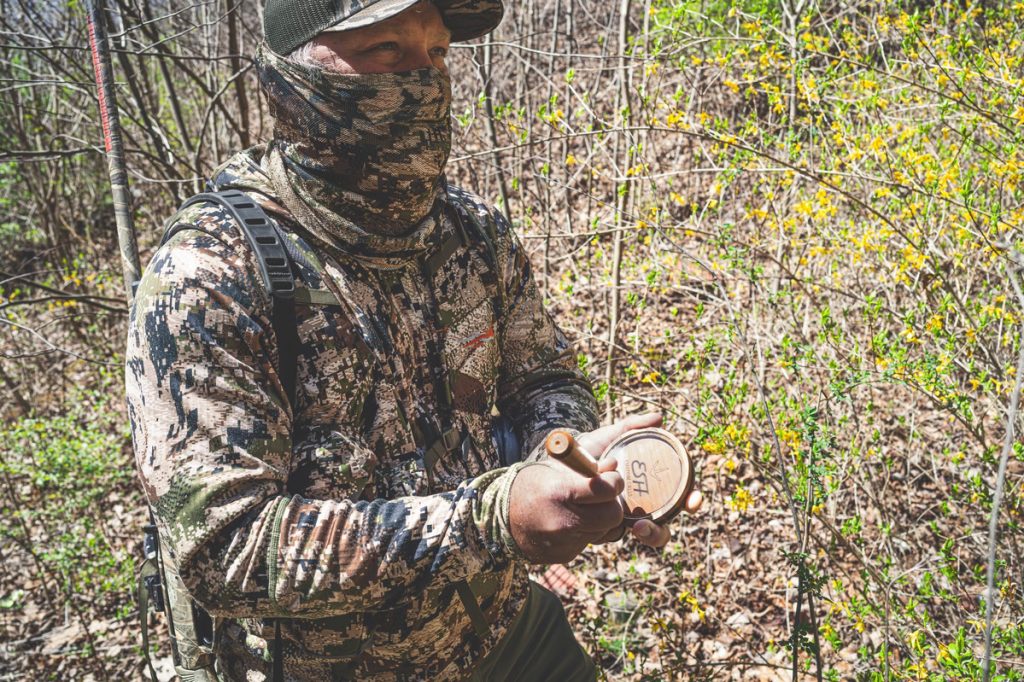
This is the phase that frustrates most hunters, including myself. Birds gobble their heads off on the limb, hit the ground, and then it’s like they disappear. In reality, they didn’t go anywhere; they just found hens before finding you. When gobblers are already with hens, the last thing they’re looking for is a hen that won’t shut up. If anything, too much calling can work against you here.
I’ve had way better luck backing things down. Soft yelps, clucks, maybe a little purring if he’s close. You’re not trying to pull him from 200 yards anymore. You’re trying to sound like an easy option he can slip away to. And sometimes that means putting the call down altogether. Patience kills a lot of birds this time of year. Let him hunt you a little.
Late Season: Keep It Simple
Late season is one of my favorite times to be in the woods, mostly because the script flips again. A lot of hens are on nests, and gobblers that spent weeks with company are suddenly alone and desperate. When this happens, they often get a lot more interested in finding the next hen. Make sure you don’t overthink things here; keep it simple.
Good, clean yelping spaced out over time is usually all it takes. I’m not trying to sound frantic, just available. A few yelps every so often, let it sit, and make him come looking. Some of the easiest hunts you’ll have all spring happen right here, but only if you don’t talk yourself out of it by overcalling.
Call Choice Matters, But Control Matters More
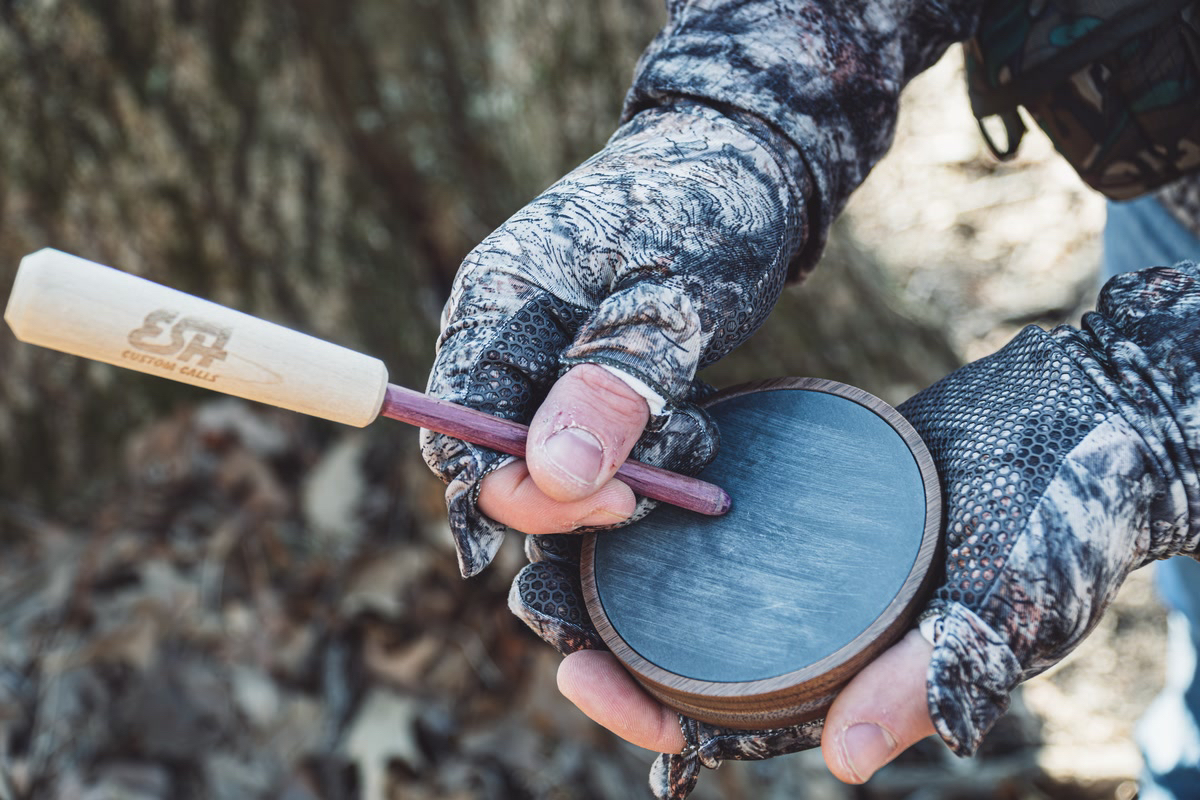
Everybody likes to talk about what call they’re running, and yeah, it matters. But not as much as how you run it. That said, having a call that lets you control tone and cadence makes a difference. That’s one thing I’ve liked about both Esh Custom Calls and Woodhaven calls: they’re easy to work whether you’re trying to get aggressive early or tone it way down later in the season.
I usually keep a couple mouth calls and a pot call on me, so I can change things up if needed. Sometimes just switching pitch or softening your cadence is enough to get a hung-up bird to finally commit.
Pay Attention to Real Turkeys
At the end of the day, the best thing you can do is listen. Real hens will teach you far more than any video or how-to ever will. Pay attention to how often they call, how their rhythm changes, and when they go quiet. Then match it.
That’s really what calling cadence comes down to, sounding like you fit in the moment. When you do that, things start to fall into place. Birds respond better, they close the distance quicker, and those setups that usually fell apart before, suddenly come together. Turkey hunting has a way of keeping you honest. But if you can stay in tune with the rhythm of the season, you’ll find yourself on the right side of it a whole lot more often.