Conejos River Restoration Project Strengthens Habitat and Watershed Resilience in Colorado’s San Luis Valley
In the high desert valleys of southern Colorado, water is more than a resource; it is the thread that ties together wildlife habitat, agricultural heritage and community resilience.
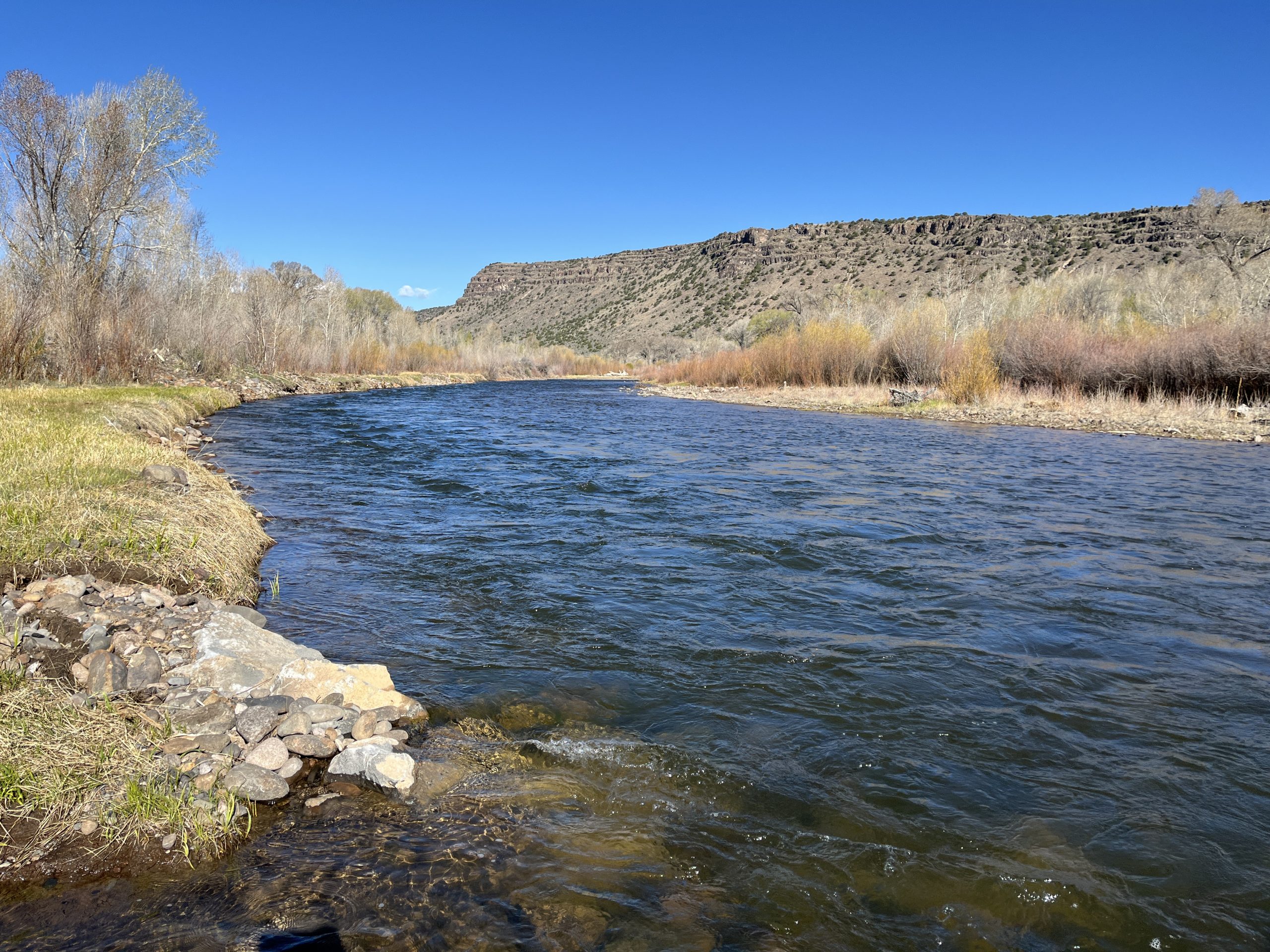
Along the Conejos River upstream of Mogote, a multi-partner restoration effort is now reshaping that thread for the better, improving conditions for wild turkeys, migratory birds and countless other species that depend on healthy riparian ecosystems.
Funded in part through the NWTF's Waterways for Wildlife Initiative, the Conejos River Restoration Project represents a strategic investment in watershed health at a landscape scale. Awarded in 2024 and completed in phases through 2026, the project reflects the NWTF’s commitment to conserving the habitat wild turkeys need to thrive, while delivering broad ecological benefits far beyond a single species.
The Waterways for Wildlife Initiative is NWTF’s regional effort to restore, reconnect and improve aquatic and riparian systems that are essential to wildlife habitat across the Great Plains. While wild turkeys are often associated with forests and uplands, their long-term survival in the central U.S. is closely tied to healthy riparian corridors — the green ribbons of vegetation along rivers and streams that provide food, cover, nesting sites and critical seasonal resources.
These same corridors also support an extraordinary diversity of species, from trout and beavers to neotropical migratory birds. By investing in watershed-scale restoration, W4W projects improve ecosystem function, enhance water quality and increase resilience to drought, flooding and climate variability, all while strengthening habitat conditions for wild turkeys.
The Conejos River Restoration Project brought together a wide array of partners, including the Colorado Rio Grande Restoration Foundation, Bird Conservancy of the Rockies, Colorado Parks and Wildlife, Conejos Water Conservancy District, Rio Grande Water Conservation District, Colorado State Land Board, U.S. Fish and Wildlife Service Partners for Fish and Wildlife Program, Colorado Trout Unlimited San Luis Valley Chapter, American Rivers and the Colorado Healthy Rivers Fund, among others.
Together, these partners addressed long-standing habitat limitations across approximately one stream mile and 2.5 acres of focused restoration work, with additional upland benefits tied to irrigation improvements.
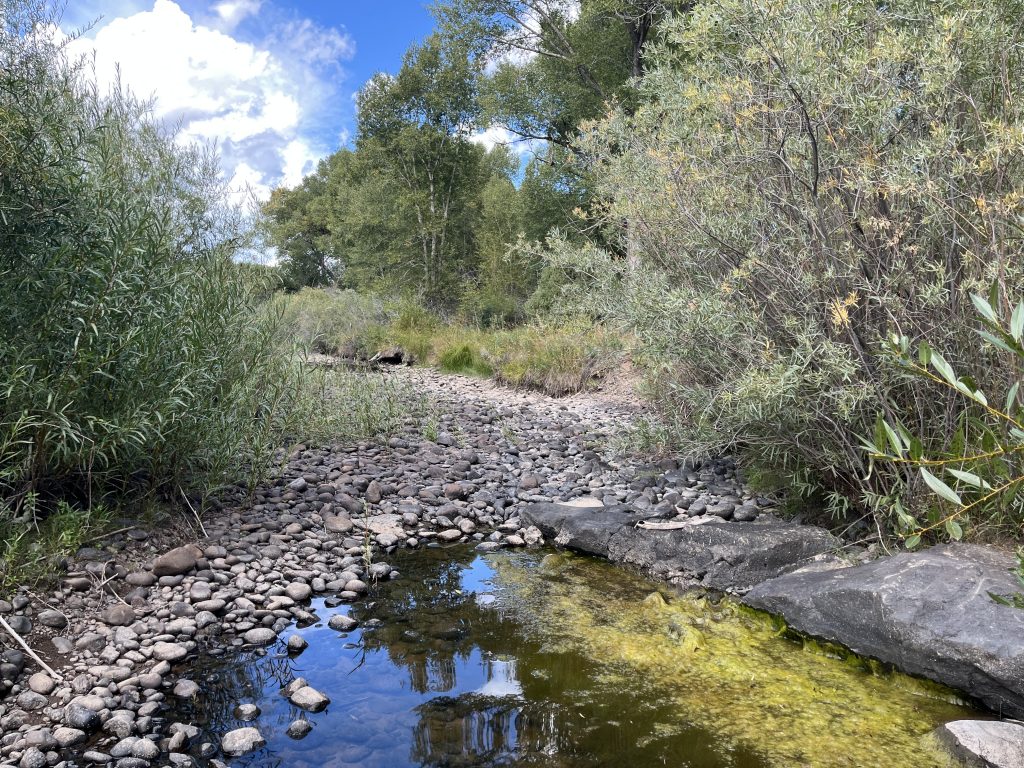
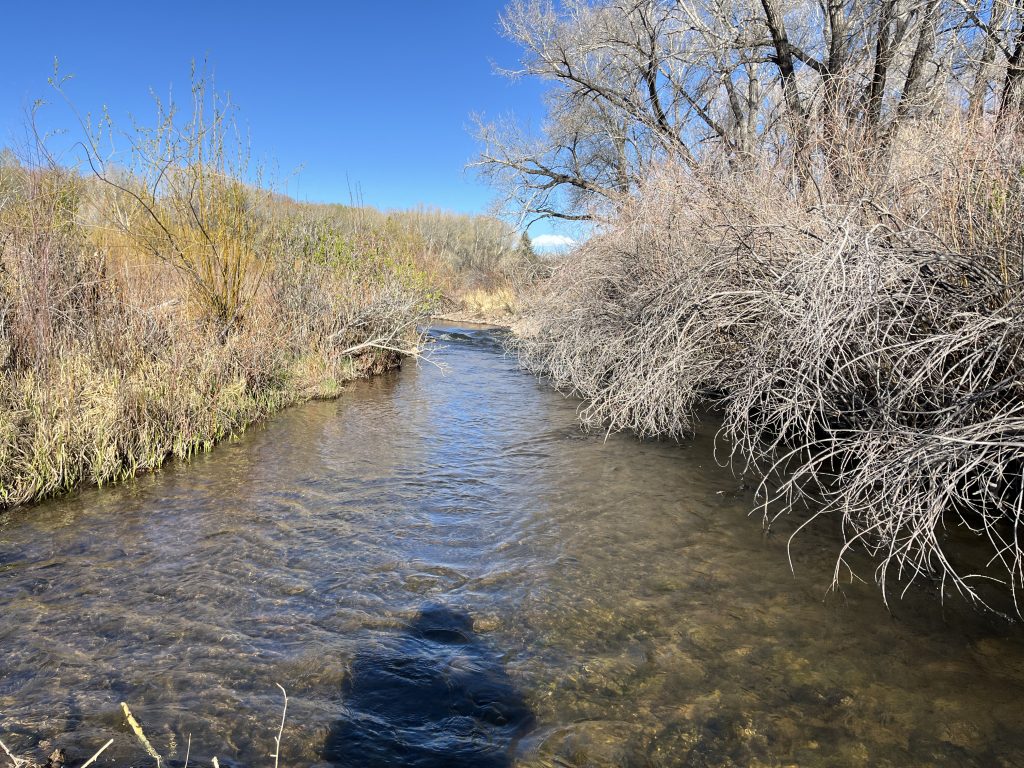
Project activities included streambank stabilization, floodplain reconnection, channel reconstruction, backwater and wetland restoration, riparian revegetation and irrigation infrastructure upgrades. Construction crews installed root wad structures and rock sills in side channels and reshaped channel features to restore more natural hydrologic processes.
The result is a river system that functions more like it once did, slowing high flows, reconnecting floodplains and creating the variability in depth and structure that supports a wider range of species.
The ecological outcomes from the Conejos River project are substantial. Restoration actions have already produced:
- 5,174 linear feet of improved instream habitat
- 2.5 acres of restored riparian areas
- 3 acres of side channel habitat
- 1.5 acres of backwater wetland habitat
- 11 sites with restored hydrology supporting beaver activity
- 10 new long-term monitoring sites established
Once irrigation infrastructure improvements are completed in fall 2026, approximately 400 acres of adjacent uplands will also benefit from more efficient water delivery and reduced disturbance within the river channel.
These improvements function together as a connected system that supports everything from invertebrates and fish to birds and mammals that rely on riparian productivity.
For wild turkeys, the restoration of woody riparian vegetation is especially important. Cottonwoods, willows and other native shrubs provide essential nesting cover, brood-rearing habitat and seasonal food resources. Improved floodplain connectivity also supports the insects and forbs that turkey poults depend on during critical early-life stages.
But the benefits extend even further. The project area supports federally listed species such as the southwestern willow flycatcher and the yellow-billed cuckoo, both of which depend on dense, healthy riparian vegetation. The restored wetlands and side channels also enhance habitat for migratory songbirds and waterfowl, while improved stream structure benefits native and sport fish populations.
Beavers, often overlooked but ecologically powerful engineers, are also expected to benefit from increased side channel flow and restored hydrologic complexity, further amplifying habitat diversity across the system.
The Conejos River Restoration Project highlights what is possible when conservation partners align around shared goals. The Colorado Rio Grande Restoration Foundation and Bird Conservancy of the Rockies worked closely with engineers, landowners, contractors and regulatory agencies, including the U.S. Army Corps of Engineers and U.S. Fish and Wildlife Service, to ensure both ecological and regulatory success.