Conservation in the West: Building Connections for the Future
The West is a region unlike any other. Vast landscapes stretch from rugged mountains to wide-open deserts, and public lands dominate the map, offering both abundant wildlife habitat and unmatched access for hunters and outdoor enthusiasts. It’s a place of incredible opportunity — but also one of complexity.
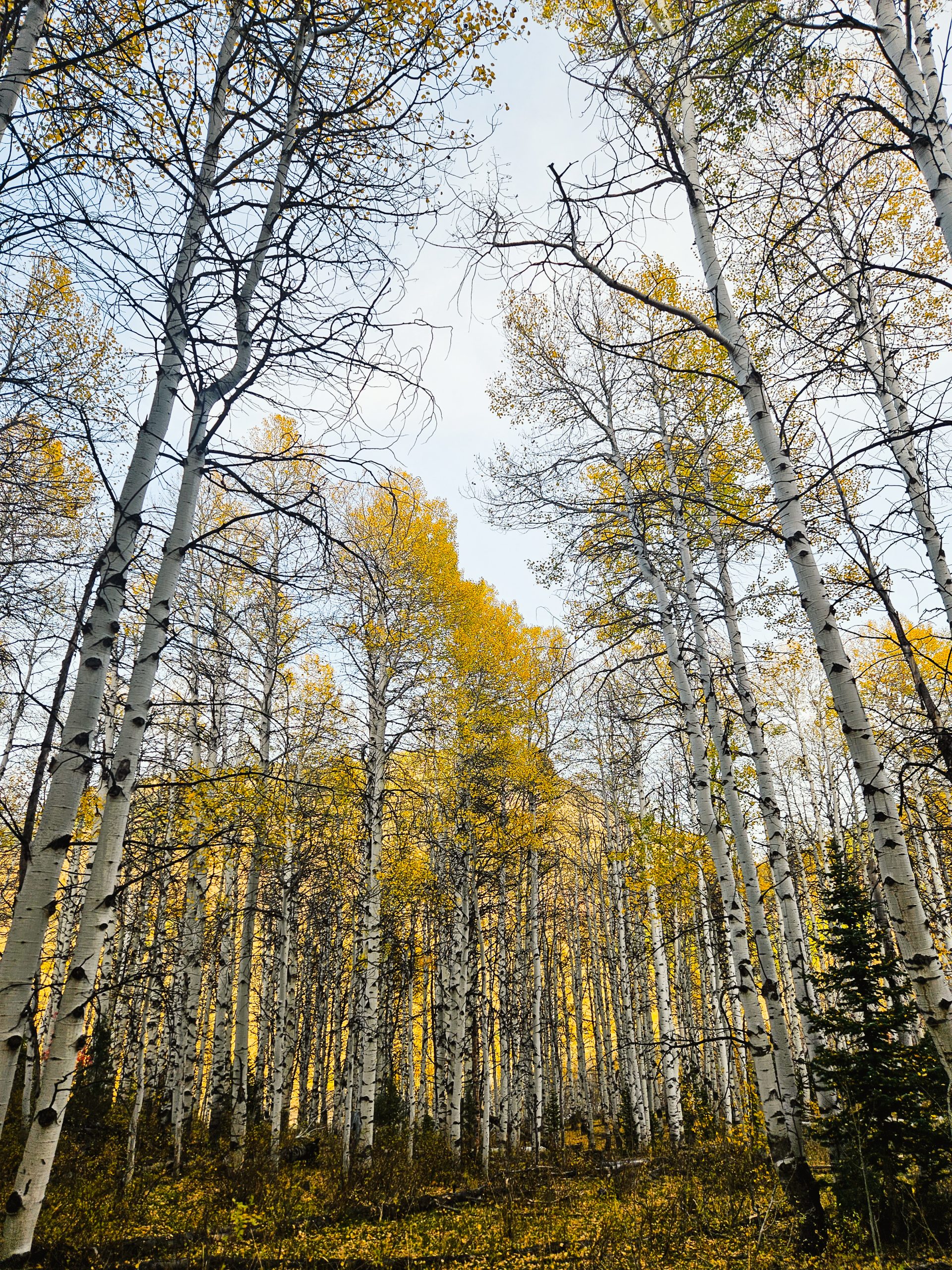
The Western region represents some of the largest and most diverse habitats in the country. With this diversity comes unique conservation challenges:
- Urbanization is rapidly expanding, creating a rural–urban divide that influences land use, values and policies.
- Fire is an ever-present force. Many Western landscapes depend on fire, but when uncharacteristic wildfires sweep across overgrown forests, they put habitat, water resources, public access and communities at risk.
- Forest restoration is often costly due to rough terrain and difficulty accessing, as well as what to do with low-value harvested timber.
- Recreation and tourism drive local economies but can also strain the very landscapes that attract people to the West.
Currently, more acres of forest are destroyed by wildfire every year than acres of treatments accomplished. Across the West, the NWTF is partnering with the USDA Forest Service and other agencies to increase the pace and scale of active forest management and forest restoration. In 2022, the National Wild Turkey Federation and the USDA Forest Service entered into a 20-year national master stewardship agreement, creating new opportunities to collaborate on addressing increasing catastrophic wildfires crisis in the West and advancing forest health. Since then, six agreements and a total of 19 projects have been launched under this framework, driving progress toward healthier forests and wildlife habitats and more resilient communities nationwide.
Despite these challenges, NWTF and its partners are making significant strides to conserve habitat for wild turkeys and other wildlife, improve forest health and connect people to the landscape across this remarkable region. Here are some examples of the NWTF’s mission in action across the West.
Washington – Wild turkeys in the Okanogan-Wenatchee National Forest are already reaping the benefits of a recent 35-acre habitat enhancement project, carried out by NWTF, the Washington Department of Fish and Wildlife and the Chelan County Natural Resource Department. Crews implemented strategic forest management to create a healthier, more diverse understory that supports nesting, brooding and foraging while also reducing wildfire risk. The improvements quickly showed results, with a turkey nest of 11 eggs discovered in a treated area, highlighting the project’s immediate impact.
Oregon – The 2025 All Hands, All Brands for Your Public Lands event, hosted by the Oregon NWTF State Chapter in the Ochoco National Forest, brought together nearly 90 volunteers, agencies and organizations to restore wildlife habitat through community-driven conservation. The project highlighted the power of partnerships and beyond habitat restoration, the event fostered camaraderie with shared meals, music and raffles, reinforcing its spirit of collaboration and connection to land, wildlife and community.
California – Since 2017, NWTF has partnered with the El Dorado National Forest on the Cleveland Icehouse Restoration Project, transforming overgrown, fire-prone Sierra Nevada forests into healthier, more resilient landscapes. Through multi-phase efforts — including thinning, mastication, biomass removal and road improvements — thousands of acres have been restored to reduce wildfire risk, safeguard clean water and improve habitat for wild turkeys, mule deer and other wildlife.
Nevada – In February, 90 wild turkeys from Utah were released into Nevada’s Ruby Mountains as part of a three-year, 150-bird transfer to boost struggling populations. Coordinated by NWTF and state wildlife agencies, the effort uses rigorous disease testing to prevent avian influenza, ensuring healthy relocations. With the Nevada NWTF State Chapter engaged, the project strengthens turkey populations, expands hunting opportunities and highlights the power of collaborative, science-based conservation.
Idaho – NWTF chapters in Idaho partnered with Idaho Fish and Game to relocate 37 wild turkeys in south-central Idaho, addressing population decline from habitat loss and isolation. The birds were moved to restored habitats enhanced through tree plantings and conservation projects, ensuring their long-term health and reducing conflicts on agricultural lands for sustainable wild turkey conservation in the region.
Utah – The NWTF and partners in Utah contributed over $6.6 million through the Watershed Restoration Initiative — a record-breaking investment supporting habitat and watershed restoration across the state. Funding will support dozens of projects across the state, improving wildlife habitat, bolster clean water, enhance recreation and support new conservation positions, benefiting species from wild turkeys to elk.
Arizona – Each year, the NWTF Huachuca Gould’s Chapter hosts its Gould’s Turkey Survey in southeastern Arizona’s Huachuca mountains. In partnership with the Arizona Game and Fish Department, 25 volunteers and agency staff participated, collecting data to guide population trends, recruitment rates and future hunting permits for Units 35A and 35B. The event also included water development inspections, conservation presentations and discussions on hunting regulations, all while emphasizing the challenges posed by ongoing drought conditions.
New Mexico – The state offers special enhancement hunting permits through raffles and auctions, and funds they generate toward vital projects focused on Gould’s wild turkey habitat enhancement, conservation, research and management projects within the state. The NWTF provides two annual Gould’s turkey enhancement permits, available through both auction and raffle.
Colorado – Colorado hunters and conservationists secured another win for science-based wildlife management by defeating House Bill 25-1258, which sought to weaken state law requiring hunting, trapping and fishing as primary wildlife management tools. Thanks to strong testimony from NWTF representatives and sportsmen, the bill was rejected in committee with a 3-10 vote, reinforcing the importance of civic engagement and unity in preserving hunting heritage and responsible, science-driven management. This victory follows the decisive rejection of Proposition 127 last year.
Wyoming – The NWTF and Wyoming Game and Fish are tackling urban turkey conflicts in Casper by funding a specialized trap and relocating birds to rural habitats. With help from the Bighorn Chapter, college students and local schoolchildren, more than 100 turkeys have been relocated this year, supporting recovering populations, enhancing hunting opportunities and turning an urban challenge into a conservation success.
Montana – Montana NWTF volunteers and state board members gathered near Great Falls for their annual meeting, welcoming a new cooperative biologist and celebrating recent conservation successes. Partnering with Montana Fish, Wildlife and Parks and landowner Rod Duty, the group spent a workday removing nearly a mile of old fencing on Block Management property along the Missouri River, improving habitat connectivity, hunter safety and public access.
In addition to the impactful work already going on across the region, the NWTF West team is shaping a new Western Initiative that goes beyond habitat projects alone. The goal is to bridge growing disconnects between people and land, science and policy and rural and urban communities. The vision: replace disconnects with real connections that create resilient habitats, strengthen rural economies and safeguard our hunting heritage.
As the Western Initiative develops, several guiding themes are emerging:
- Connecting People to the Outdoors – Expanding access and fostering a stewardship mindset through outreach and education.
- Connecting Landscapes through Priority Habitat – Linking key habitats and wildlife corridors while telling the nuanced stories of how people and wildlife share the land.
- Connecting Mission, Members and Management – Recognizing the importance of scientific wildlife management and highlighting the wild turkey’s role in healthy ecosystems, and as a conservation success story.
The West will always be a place of contrasts — where rugged terrain meets sprawling cities, where fire both restores and destroys and where recreation can both support and stress the land. But it’s also a place of tremendous possibility.
Through collaboration, innovation and a commitment to connection, NWTF and its partners are ensuring that the West’s landscapes remain healthy, resilient and full of opportunities for future generations to hunt, recreate and connect with the outdoors.