Defend Your Space
The fire-prone landscapes of the West include both public and private lands. A wildfire burns indiscriminately across property boundaries, meaning how potential fuels are managed on one piece of property can affect wildfire risk on neighboring lands.
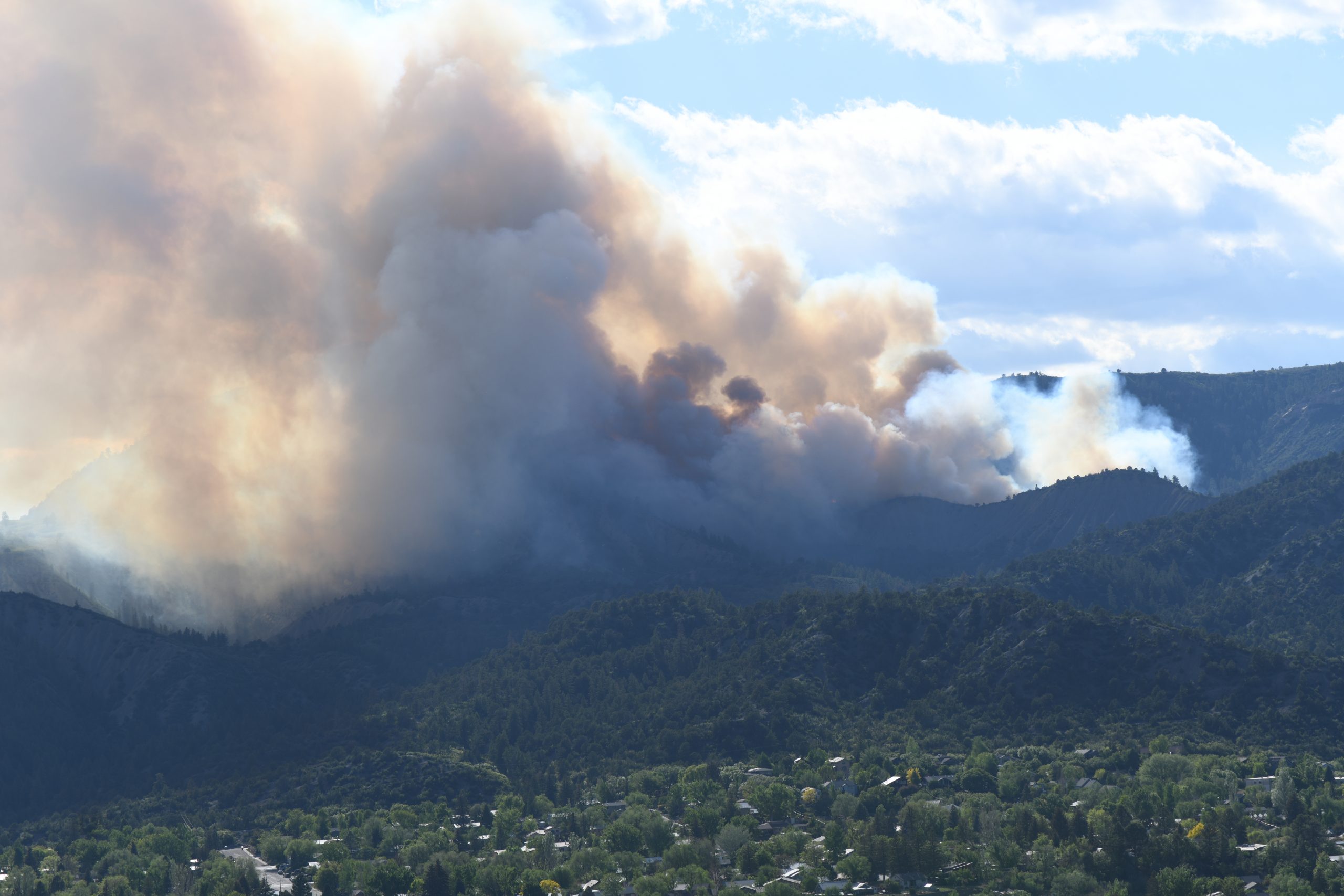
Catastrophic wildfires each year affect many areas in the western U.S. The risk is especially significant for those who live in the wildland-urban interface, where homes and other structures intermingle with wildl-and vegetation. Although wildfire is a natural part of forest health, planning ahead and taking action can increase the likelihood that your home survives when a wildfire occurs.
“There are many reasons why landowners should consider taking proactive measures to manage their forests and mitigate the risk of wildfires on their property, and it varies greatly among landowners,” said John White, Colorado State Forest Service supervisory forester. “One thing that is true for all of us is that we are planning for when the fire comes and not if the fire comes.”
The two primary factors determining a home’s ability to survive a wildfire are the structure’s ignitability and the quality of the surrounding defensible space. Defensible space is the area around a home (or structure) modified to reduce fire hazards by creating space between potential fuel sources. Structural ignitability is the likelihood the materials in and on your home will ignite during a wildfire. The practice of reducing structural ignitability is commonly called “home hardening.”
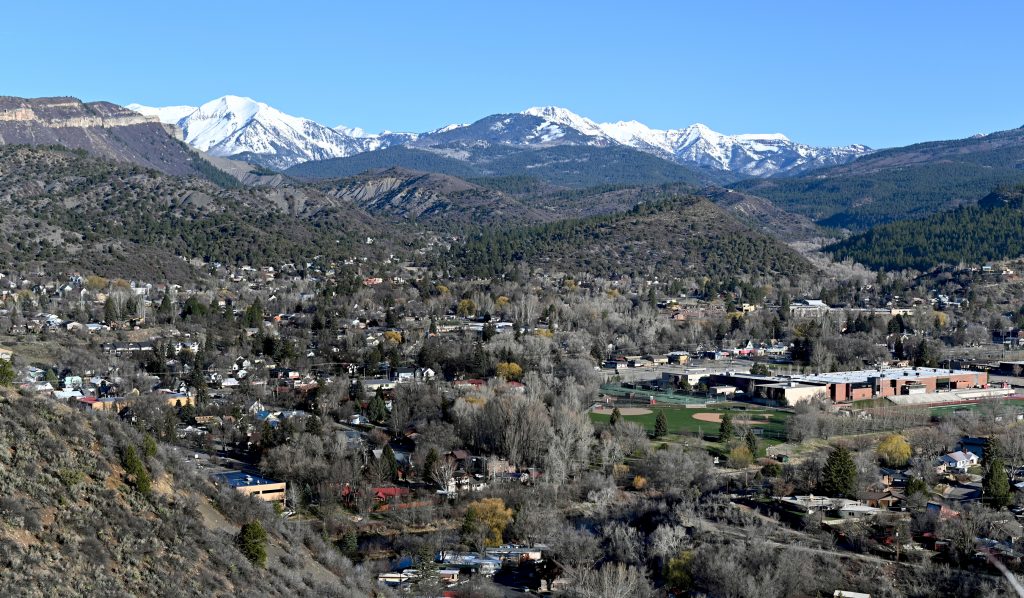
Together, these two factors create the home ignition zone, which includes the structure and the area around it. According to the Colorado State Forest Service, the home ignition zone is divided into three distinct spaces of management:
- Zone 1 (0-5 feet from the home): The area nearest to the home that requires the most vigilant work to reduce or eliminate ember ignition and direct flame contact with your home.
- Zone 2 (5-30 feet from the home): This area transitions away from the home and is where landowners should reduce fuels. This will minimize a fire’s intensity and ability to spread while significantly reducing the likelihood of a structure igniting because of radiant heat.
- Zone 3 (30-100 feet from the home): The area farthest from the home focuses on mitigation that keeps fire on the ground, where it will be less intense. Additionally, it will allow the landowner to make choices that can improve forest health.
“Whether someone owns half an acre or a thousand acres, I always recommend starting at the house and moving out,” White said. “You can do everything right with your trees and an ember shower could ignite your house. Clean the gutters, mow the grass and create a buffer a few feet wide around the house with nothing flammable. Then you can think about construction materials, decks, soffit vents, etc. Once the house is cared for, move outward, thinning and pruning your trees.”
There are many national resources to assist landowners in reducing their wildfire risk, such as Firewise USA, Fire Adapted Communities and the USDA Forest Service. To learn about local resources in your area and the financial assistance programs available, contact your local or state Forest Service office for guidance.