Do Hens Have Regional Accents?
If a Rio sounds different than an Eastern, it seems intuitive to adapt your calling to match. However, an expert says the key to realism lies deeper.
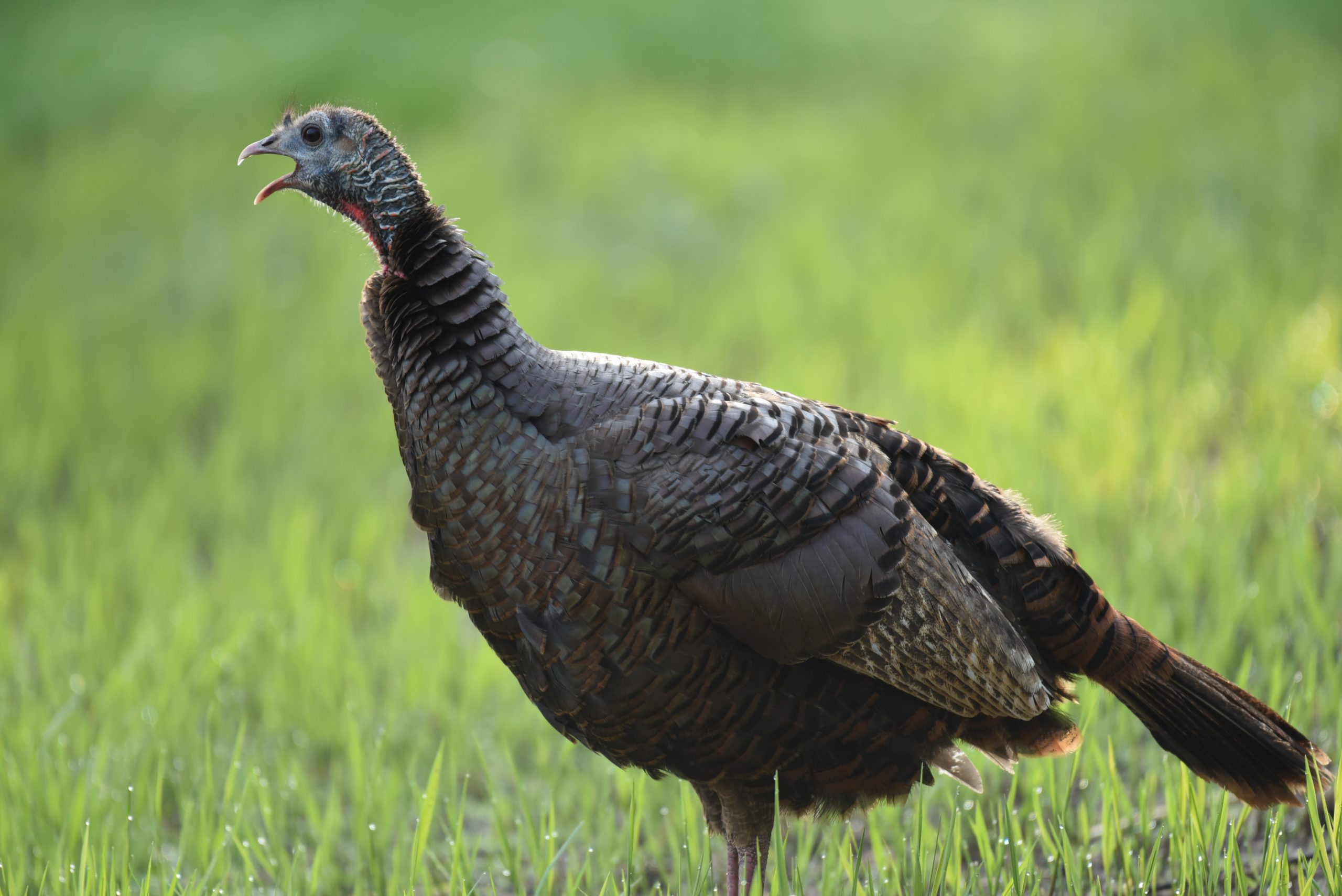
Hunters who head west often notice that Rio Grande and Merriam’s hens sound somewhat different than their Eastern cousins. Likewise, folks who hunt east of the Mississippi for the first time might be taken aback by the sound of an Eastern or Osceola.
The contrast prompts a couple of questions: Do turkeys in various regions have different voices or accents? And if so, how should that affect your calling?
Spoiler: Yes, the voices of turkeys vary regionally. But according to turkey calling guru Denny Gulvas, that doesn’t make much of a difference for hunters.
“Definitely, they have different sounds somewhat,” said Gulvas, the 1983 NWTF Grand Nationals Senior champion and a 2020 inductee into the GNCC Hall of Fame, who has recorded and studied turkey behavior and vocabulary for 47 years. “In fact, turkeys in certain areas might even sound a little different than birds in another flock 30 miles away. It makes sense. In a specific area, some of those hens are somewhat related. I talk like my brother. My sons talk like me. It’s the same thing with turkeys. If they’re somewhat related, you might get more higherpitched hens in one spot or throatier hens and more flat yelps at another. But they’re all turkeys. And none of it really matters in hunting, because a turkey is a turkey.”
That might seem somewhat counterintuitive. After all, hunters are often encouraged to mimic real hens when calling to a gobbler. However, Gulvas said the key lies deeper than merely adopting a particular regional trait in your calling.
“What I have found is that turkeys in an area know each other by their voices and by sight, too,” he said. “Gobblers know each other. Hens know each other. Gobblers know the hens. Listening to them, they’re able to pick out certain hens in an area right away. It’s little things in their voices, just like with a person. I’m able to recognize them, so I know that turkeys can, too.”
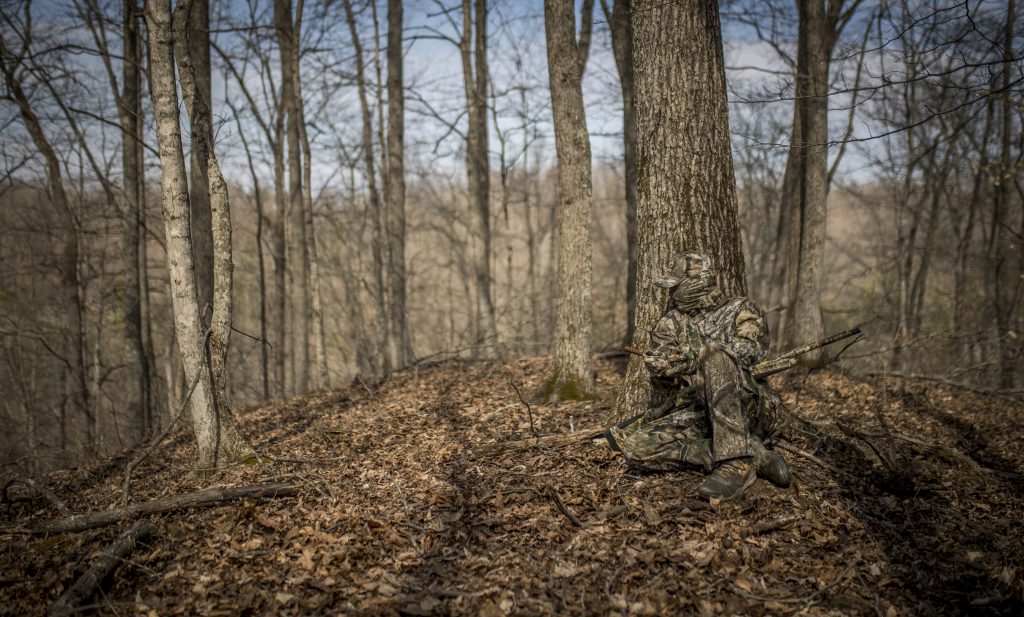
So naturally, mimicking specific hens might be advantageous. But it goes further. Gulvas said you must first listen to a hen’s calling and try to mimic her inflection and emotion along with her vocal traits.
“Even in the woods, I have to turn on the sounds of a real hen and listen at least 30 seconds until I’m in the groove, so to speak,” he said. “If I call before I start listening to real hens, it’s OK. But when I listen to one for 30 seconds to a minute, it’s amazing how they will guide you.”
Gulvas pointed to videos that show hunters calling back and forth with real hens. Their calling typically changes immediately after they begin imitating the live bird.
“The calling completely becomes more realistic because you’re following her,” he said. “When you first start, it’s foreign. But when you’re following them, you get far more real.”
Listening to and following real turkeys also helps hunters avoid the trap of mimicking another human caller, Gulvas said.
“Hens often come in with a single yelp or a couple of them,” he said. “You can actually hear the questioning in that yelp — the inflection in their voice. People do that, and turkeys talk the same way. They change their pitches. There’s no way you could learn that from another guy. That’s the beauty of listening to real turkeys.”
Ultimately, Gulvas said, hunters don’t need to be perfect when calling. In fact, humans will likely never completely master the voices of wild turkeys or their regional “accents.” However, every bit of realism you can inject into your yelping will help afield.
“When you learn that and can take it into the woods with you on every occasion, it’s razor’s-edge stuff,” he said. “When you get it, it’s amazing.”