Do Your Part: Prevent Wildfire
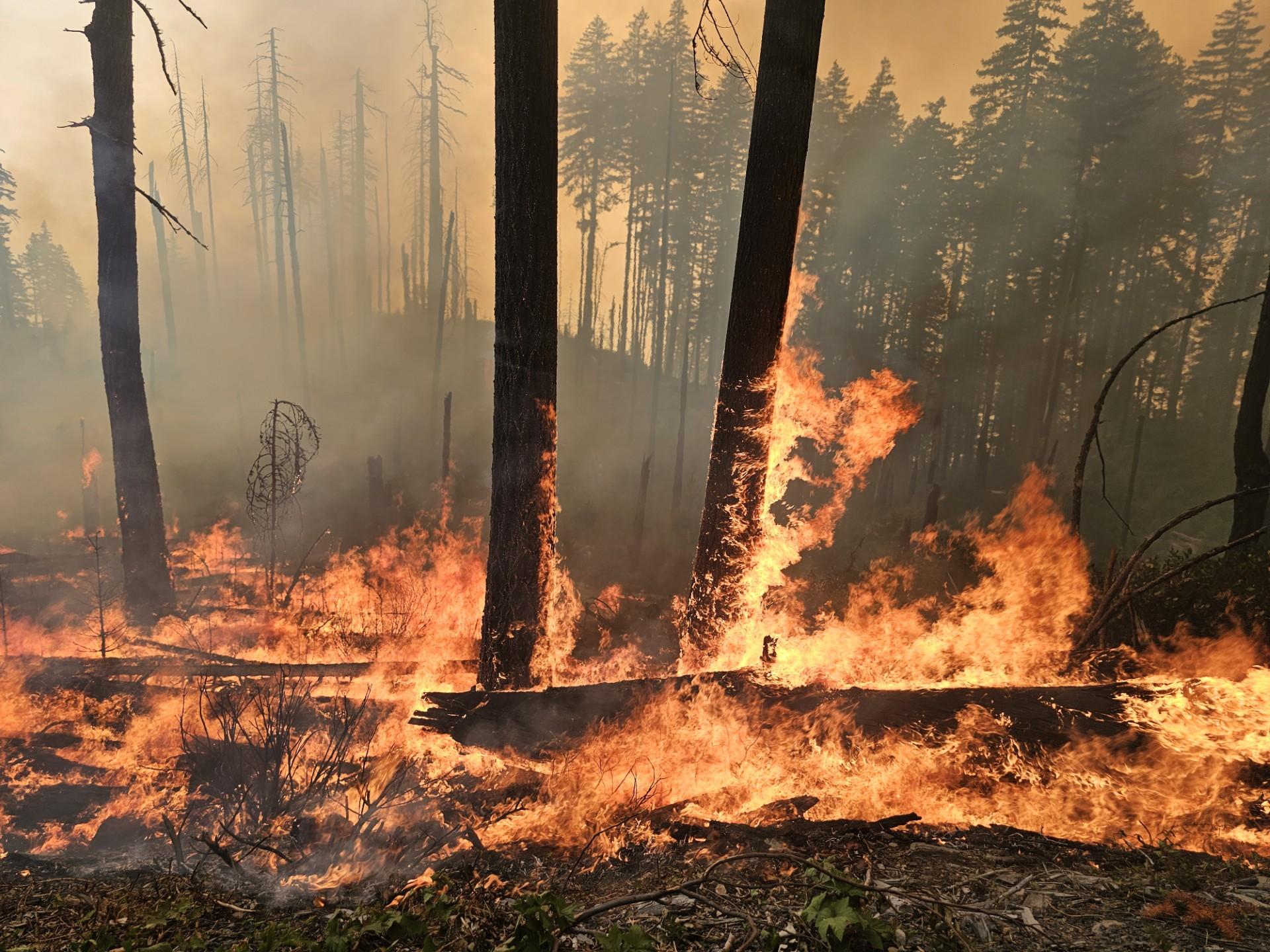
As summer gives way to fall, wildfire risk across the West remains a serious concern. While cooler temperatures and shorter days may ease fire danger, dry conditions and high winds mean catastrophic wildfires are still possible.
Much of the region is facing extreme dryness. In Utah, more than half the state is experiencing extreme drought, marking one of the driest summers in 125 years. In Colorado, the Department of Natural Resources reports that thousand-hour fuels — large trees — are at just 6% moisture content, drier than kiln-dried lumber. Fine fuels like grasses are at only 2–3% moisture, as flammable as paper. The Water Education Foundation reports that 86% of the West is at least “abnormally dry,” highlighting how widespread the problem is.
Diligence is critical — not only to protect lives and property, but also to ensure that as fall turkey, upland bird and big game seasons open, we can continue to enjoy the outdoor traditions we value and pass them on to future generations.
For over 80 years, Smokey Bear and the USDA Forest Service have reminded the public of their role in preventing unwanted, human-caused wildfire. A familiar message many of us have heard — “drown, stir, drown and feel” — remains one of the most important steps in ensuring campfires are fully extinguished and safe to leave behind.
Even so, many people still overlook this simple responsibility. In August, the La Plata Fire in Colorado burned more than 130 acres of the Pike-San Isabel National Forest after an abandoned campfire was left unattended. Fires like this not only harm wildlife, recreation and landscapes, but also put firefighters’ lives at risk — all from something preventable.
While destructive wildfires can devastate communities and ecosystems, fire itself is not inherently bad. In fact, it is a natural and necessary force that shapes healthy ecosystems. Prescribed fire is a tool land managers use to reduce dense vegetation, restore or create historic forest conditions and create early successional habitat that benefits wild turkeys and countless other species. Controlled burns promote native plants, open up understory for movement and provide food resources such as insects and forbs.
Beyond wildlife benefits, fire — when managed correctly — supports forest health. But for forests to safely accept fire as a tool, they must first be treated to reduce risk. This means thinning overly dense conifers that can carry flames into the canopy and removing hazardous fuels like low hanging branches and leaf litter that accumulate on the forest floor. Through projects such as the Wenatchee Project, Stevensville West Central Fuels Reduction Project, Zuni Mountain Stewardship Project and the Deer Point Forest Stewardship Project, NWTF and partners are creating resilient forests that safeguard communities, protect water resources and sustain recreational opportunities.
Catastrophic fires, on the other hand, cause lasting damage to landscapes. They displace wildlife, degrade water quality, destroy infrastructure and endanger communities. While some start from natural causes like lightning, many are human-caused — and preventable. Every hunter, outdoor recreationist, landowner and community member has a role to play in fire prevention. Here are some tips and things to consider as you go about your daily lives and interact with the landscape.
When shooting outdoors:
- Place targets on dirt or gravel in areas free of dry vegetation. Avoid shooting on hot, windy days. Bullet fragments can ignite grass or brush.
- Use safe targets. Avoid steel or rocks, which may throw sparks. Paper targets and clay pigeons are safer alternatives.
- Choose your ammunition carefully. Steel-core and solid copper bullets have the highest fire-starting potential, while lead-core bullets are less likely to ignite vegetation.
- Avoid exploding targets — they can be destructive and dangerous.
- Carry suppression tools. Always bring a shovel, a fire extinguisher and extra water.
- Check with your local Forest Service or Bureau of Land Management office for shooting regulations, as some areas prohibit the use of tracer or incendiary ammunition and exploding targets.
When operating vehicles:
- Check towing equipment. Make sure chains or other parts aren’t dragging and sparking.
- Maintain proper tire pressure. Driving on bare rims can throw sparks.
- Keep brakes in good condition. Worn brake pads that grind metal on metal can ignite roadside fires.
- Avoid parking in tall grass or brush. Hot exhaust systems can quickly ignite vegetation.
Other considerations:
- Use tools wisely. Chainsaws, grinders, welders, mowers and trimmers can spark fires. Operate during cooler parts of the day, avoid windy conditions and have water nearby.
- Be smart when camping. Always check local fire restrictions before starting a campfire. When finished, drown, stir and feel the ashes until they are completely cold. Never leave a fire unattended.
- Dispose of cigarettes responsibly. Never toss them on the ground or out of a vehicle window.
- Report fires immediately. Call 9-1-1 with clear details: location, what is burning, flame height, how quickly it is spreading and what is threatened. Stay on the line until directed otherwise.
- Plan ahead. During high-fire danger, consider alternatives to campfires or other spark-producing activities. Use propane stoves instead of open flames.
- Respect closures. Obey fire bans, trail closures or restricted access areas — they are in place to protect lives, property and ecosystems.
Preventing catastrophic wildfires is a shared responsibility. By being mindful in our daily actions — whether shooting, towing, working outdoors or enjoying a campfire — we all contribute to safer landscapes, healthier forests and thriving wildlife populations. With diligence, we can protect our traditions, safeguard our communities and ensure the next generation inherits resilient landscapes rich with opportunities for hunting, fishing and outdoor recreation.