Earning the Edge
You don’t need to be fit to chase turkeys, but it sure helps.
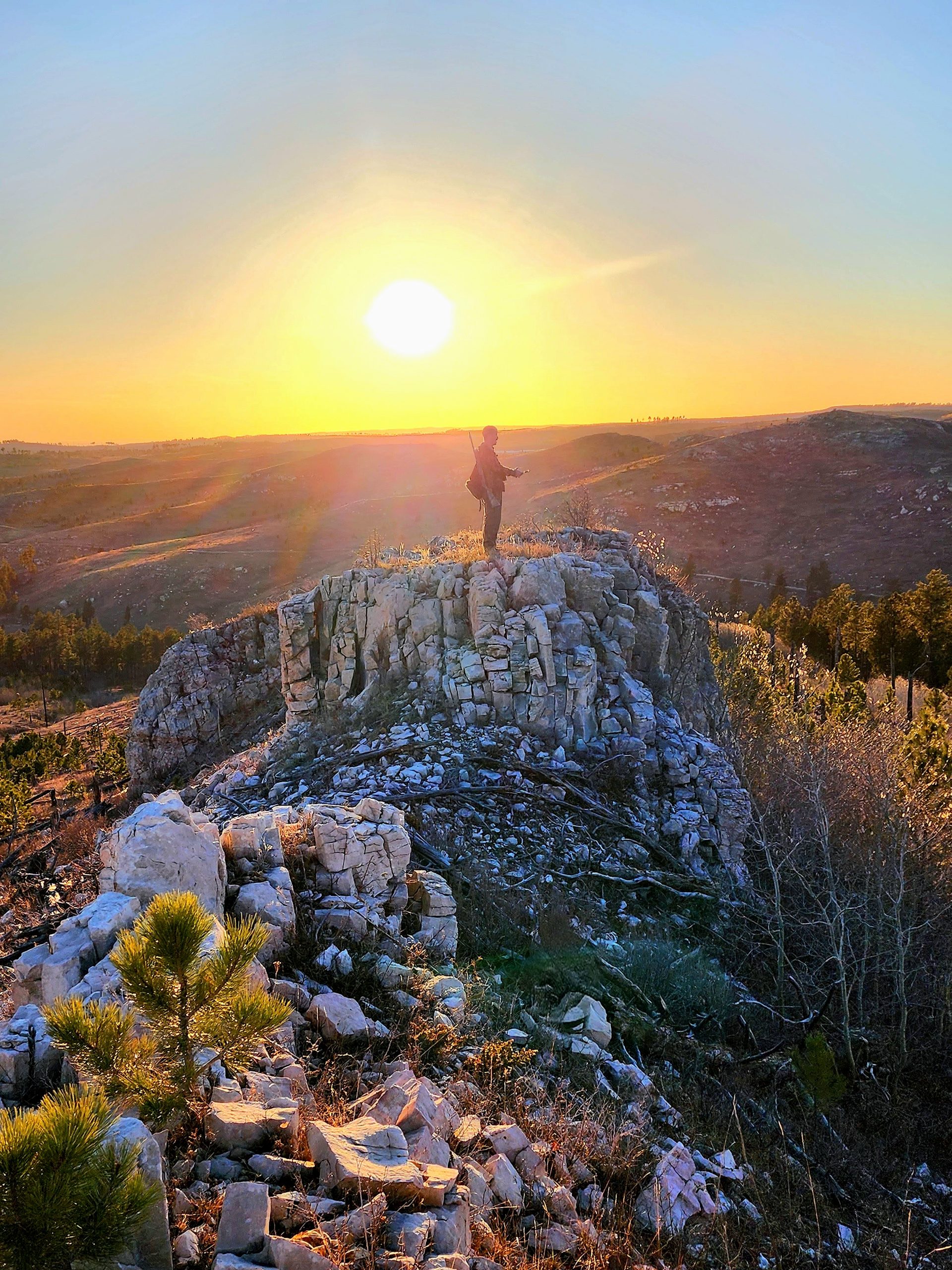
Each season, many of our fellow turkey hunters walk to the back 40, find an oak tree, and tag a bird at flydown. The rest of us have to work a little harder, and that can include a lot of creeping, crawling, stepping up and over rocks and logs, traversing slippery creeks and putting a lot of miles on our boots. Here are a few techniques we use with our clients to boost their stamina, overall outdoor performance, and give them an edge in the turkey woods.
What Is Outdoor Performance?
First, let’s define the goal. I think it is great if you look amazing in your camo, but we are not training for a beach vacation. We are training for performance. We coach and recommend functional exercise programs and aerobic conditioning that mimic the movement patterns and physical demands of pursuing wild turkeys. For example, can you, when called upon:
- Move through the woods with stealth.
- Get from one ridge to the next to intercept a gobbler.
- Easily turn and reposition when a bird slips in from behind.
- Belly crawl or get into position for a shot.
- Tote a bird over your shoulder out of the woods with ease.
- Run, gun and cover more ground to strike up a bird without undue fatigue.
- Hold still in an awkward position if the birds catch your movement.
There are also two other benefits of outdoor performance. Training will bolster the mental toughness needed to outlast stubborn toms. Plus, higher levels of outdoor performance translate to better overall health, which will allow you to chase these majestic birds into your later years.
What Species Are You Pursuing?
Not every subspecies will require the same level of stamina and conditioning. Having chased Easterns in Missouri the majority of my life, the bar was raised when I began pursuing Rios in the Texas hill country. Most of the topography in my home state is rolling hills, pastures and small blocks of timber. The places Rios call home are steep, rocky, full of thorns, and present a more arduous challenge. Had I trained to hunt Easterns, I would not have been able to perform as well or been in the position to fill my tags as effectively out west.
Chasing Rios or Merriam’s? Be prepared for elevation and long hikes.
Chasing Osceolas? Be prepared for humidity and swampy conditions.
The Eastern subspecies can also test your physical limits and mental toughness. My farm is very steep and rocky. Birds can be in the valley or up on top of the mountain, so when they sound off, I have to be able to get to where they are.
Hunting public land? Regardless of the subspecies, be prepared to travel a lot of miles toting your shotgun and gear to get away from other hunters and locate birds.
The Blueprint
Having been a personal trainer and coach for 28 years, I have, over time, developed a blueprint for helping turkey hunters bolster their health and fitness, leading to more opportunities in the field.
Each hunter has different physical abilities, but staying focused on hunt-specific training is important. For example, riding a bike is a great way to improve aerobic fitness, but cycling will not translate to hiking in the woods this spring. To become better at hiking, you need to hike.
The same can be said for resistance or strength training. A bench press is a great way to build upper-body strength, but pressing is not often required in the turkey woods. What you will need are high levels of strength and muscular endurance in your core muscles, upper back and legs.
Blending these components is what I describe as an outdoor ballet. When everything comes together, your body can answer the call for any demand asked of it during your hunt.
That is the high-level strategy. Now, let’s get tactical!
Hunt-Specific Cardio
Walking is the most specific form of aerobic exercise in relation to turkey hunting, and for many hunters, walking three to five times a week will significantly improve their cardiovascular fitness and stamina.
If you are new to exercise, start with 20-30 minutes of walking and gradually increase over time. Think about the species you will be hunting and how you will hunt. For some, three walks per week at 30 minutes per session may give you all you need to perform better in the woods, but if you hunt public land, you may put 6 to 7 miles on your boots. Train accordingly.
Want to up the ante? Our western brothers and sisters often participate in a practice called rucking, which is simply hiking with a weighted pack. Elk hunters will carry loads weighing 30-65 pounds on their backs. Turkey hunters do not need to train with those kinds of loads, but how much does your vest weigh? To adequately prepare for the season, consider adding a backpack with the weight of your vest or wear your vest.
Chasing mountain birds? Find places where you live that will present as close to the real thing as possible concerning topography, and if you are a flatlander, aerobic machines like stair steppers and treadmills with incline are worthy substitutes.
Functional Training for the Win
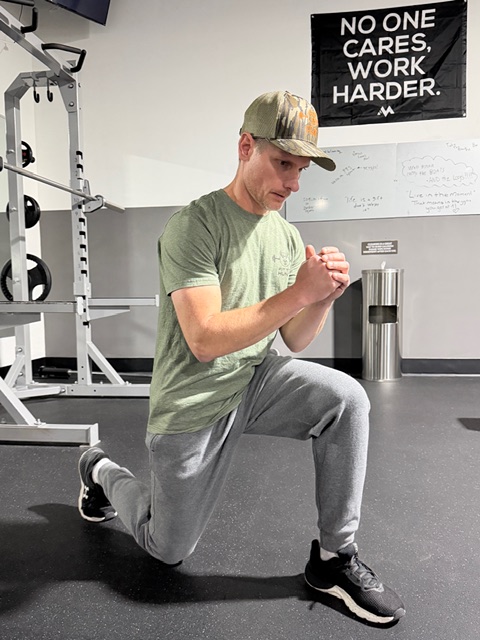
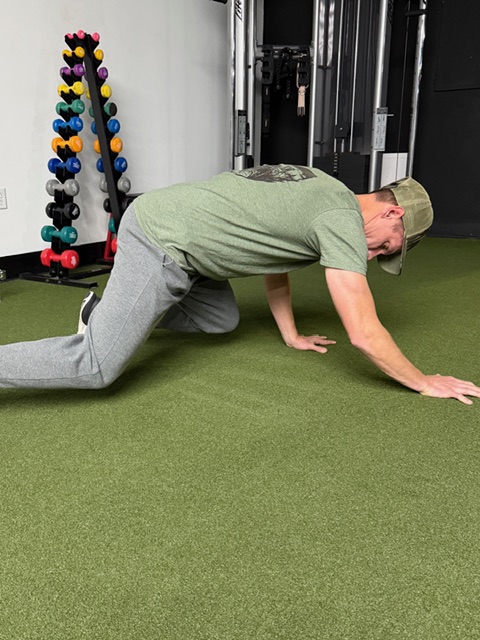
Many strength exercises will benefit you in the turkey woods, but for our personal training clients who chase turkeys, we always include movements such as:
- Split Squats: Builds functional, bilateral strength and mobility.
- Bear Crawls: Close the distance to a hungup bird in the middle of a pasture.
- Kettlebell or Dumbbell Deadlift: The foundation for everything in the outdoors.
- Rows: Boosts upper back strength and keeps you upright.
- Bird dog: Keeps the lower back strong and pain-free.
- Farmer’s Carry: There are a bunch of varieties. Pick one and add it to your program.
Another key to performing better in the turkey woods is athleticism. Many think ladder drills are only for 15-year-old soccer players, but improving balance and agility makes you stealthier in the woods, and stealthiness will help you fill more tags.
The key to any solid strength program is working large muscle groups before small ones, including movements you will need in the field and arranging them in a fashion to create synergy throughout the body.
If you are unsure how to create a program that translates to turkey hunting, we recommend consulting with an experienced performance coach or personal trainer. If you are brand new to exercise, it is a good idea to have a physical examination before beginning any new activity.
Good luck this spring, and we hope this info helps you fill more tags!
About the Author
Jeremy Koerber, ACSM exercise physiologist, is the owner of Fit To Hunt. Jeremy has coached clients to improve function and performance for 28 years and is an avid hunter. You can follow him on Instagram @fittohuntofficial or visit www.stayfittohunt.com.