Educating the Next Generation of Conservation Leaders
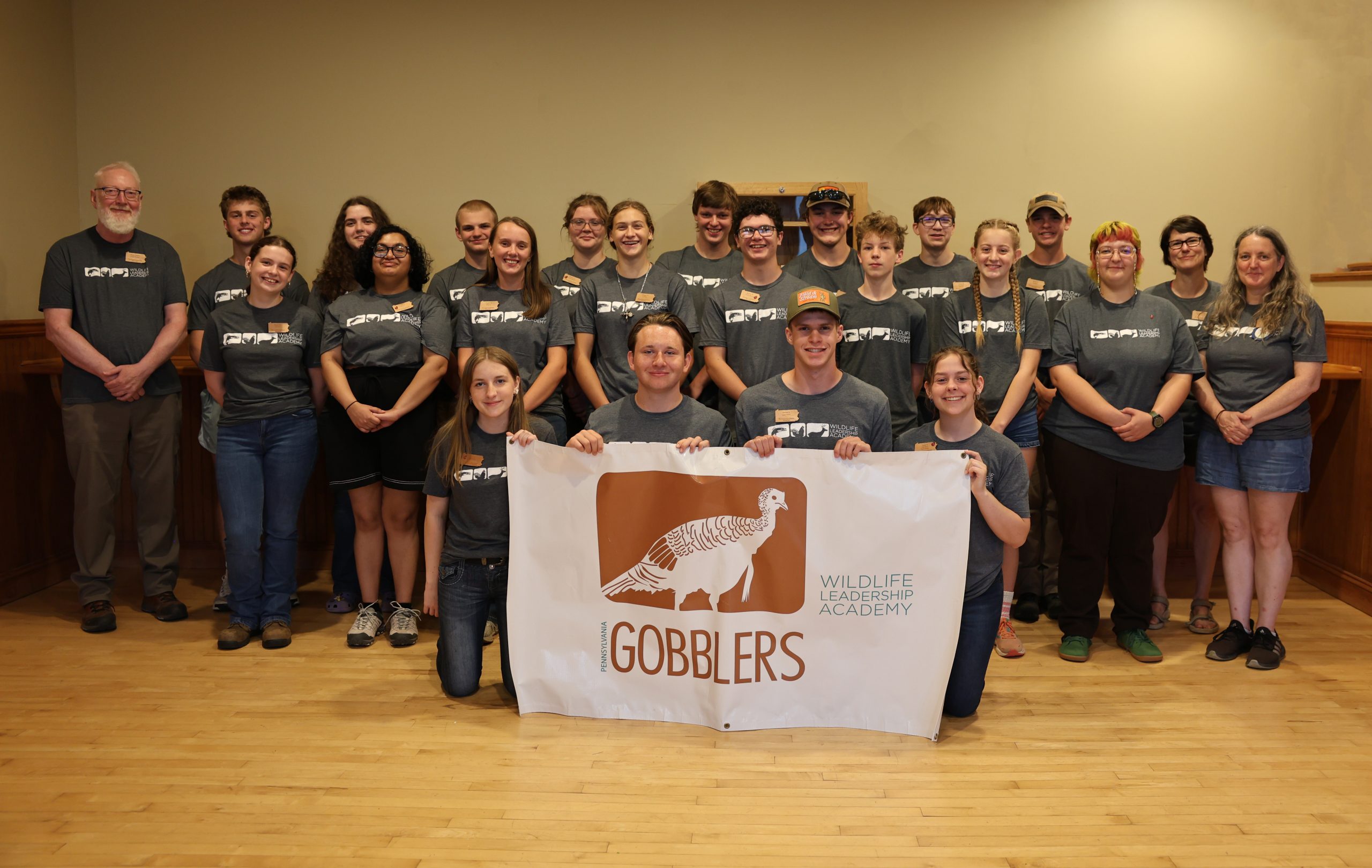
A calm afternoon in central Pennsylvania was quickly filled with energy and excitement as the woods thundered with close to 20 high school students practicing turkey calling at the Pennsylvania Wildlife Leadership Academy’s (WLA) Gobblers Week, a program the Pennsylvania State Chapter of the National Wild Turkey Federation is proud to be a partner of.
Hosted at Camp Krislund in Madisonburg, Penn., the Wildlife Leadership Academy is a nonprofit that aims to empower youth to become conservation leaders in their home communities. Originally founded in 2002, the program expanded in 2007 when it started offering field schools. The first program, called Bucktails, was offered as a weeklong course that focused on the ecology and management of whitetail deer. Since then, WLA has grown to include the Brookies, Bass, Ursids and Gobblers field school trainings.
The Pennsylvania NWTF State Chapter donates $10,000 to the program annually and purchases turkey calls for the students to use during Gobblers week. The chapter also donates NWTF memberships to students, as well as supplies volunteers where they are needed.
“The Wildlife Leadership Academy is a homerun for the NWTF’s mission,” said Ralph Martone, Pennsylvania NWTF state board member. “All of these students choose to be here studying the wild turkey, and the WLA brings in experts, like the Pennsylvania Game Commission’s wild turkey biologists, who teach students about in-state management. After this week, students have gone on to work in the conservation field in Pennsylvania, and out West. A former WLA student is now studying sage grouse in Montana. This week is just the start.”
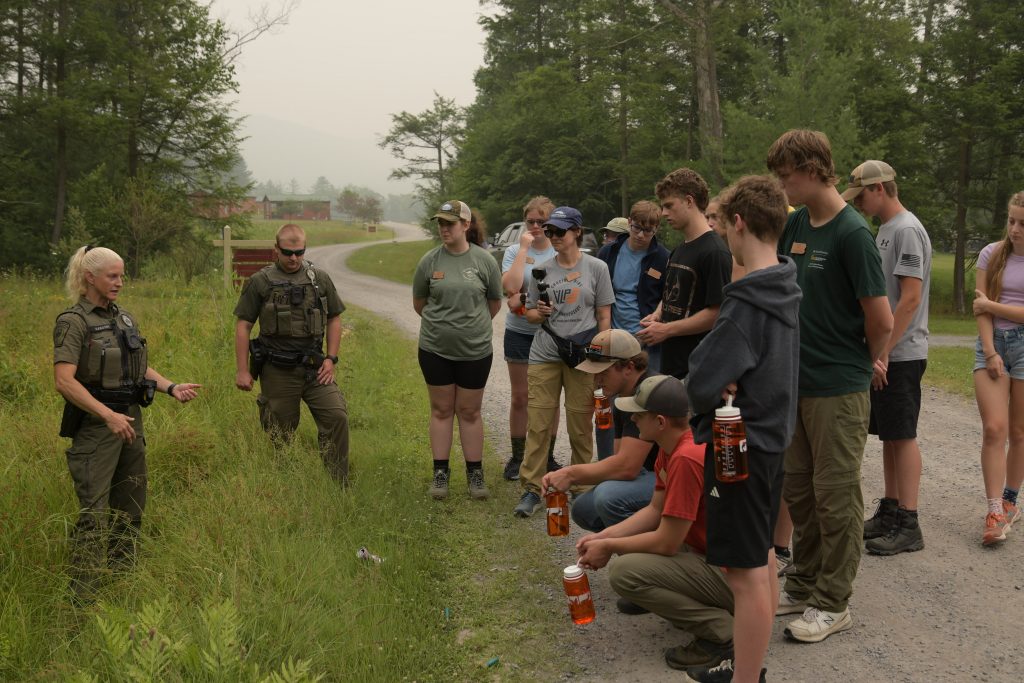
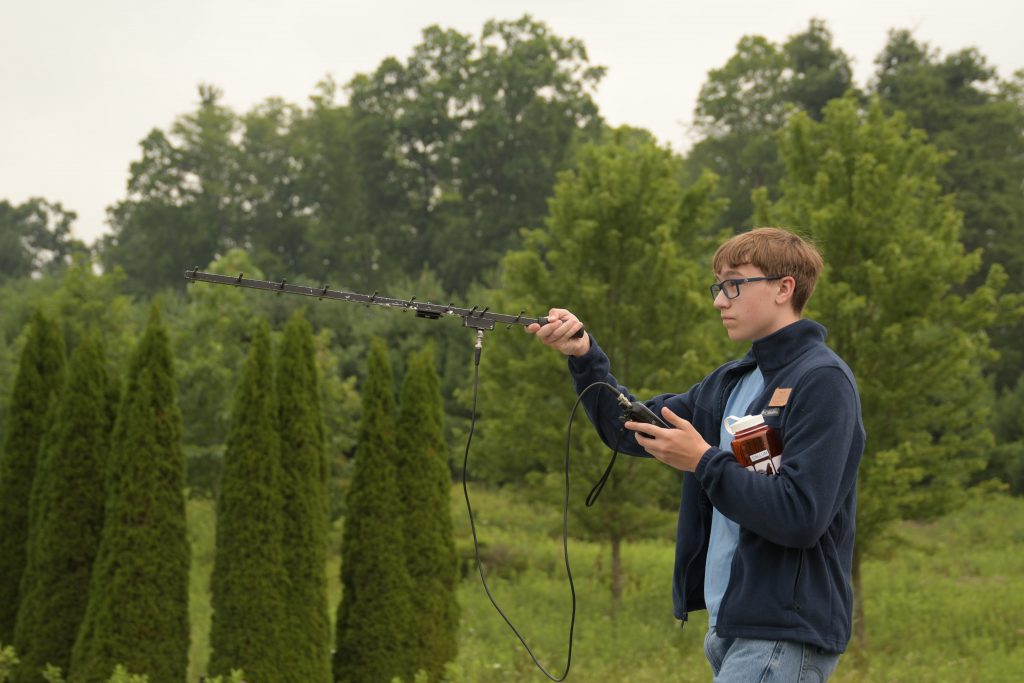
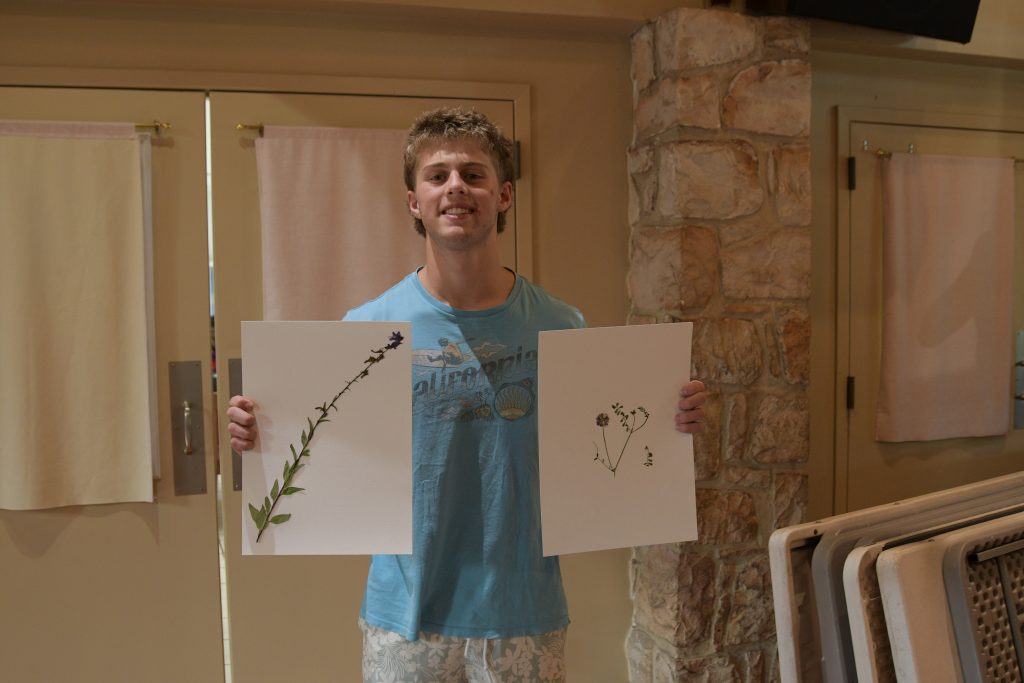
During Gobblers week, participating students learn about the biology, ecology and management of the wild turkey. The history and anatomy of the bird is taught in a traditional classroom setting, but that experience is coupled with hours spent in the field. Students created their own pressed plant collections targeting species that are important for the wild turkey’s life cycle. They also had the opportunity to spend time at the range practicing archery and target shooting. The thing that sets the program apart is their hands-on education with PGC biologists who demonstrate radio telemetry techniques, rocket net trapping procedures, and a wild turkey necropsy.
“I stepped into this week knowing nothing,” said Shepard T., a WLA Gobblers student who hopes to try turkey hunting after going through the program. “Being hands-on, and like, touching wild turkey organs for the necropsy was really weird, but a pretty cool opportunity, looking at the organs while talking about causes of death. It's also been cool just learning the vocabulary; terms I would never have known before, I'm very comfortable with now. Knowing that a turkey has a beard, I couldn’t have told you that 12 hours ago.”
Another student, Brynn M., grew up turkey hunting with her family, so dissecting a wild turkey was not new for her. She received a scholarship to attend this program through her regional Safari Club International Chapter. Coming from a hunting background, she was still able to learn a lot by attending the Gobblers field school. Being from New York, it was interesting for her to compare how two bordering states slightly vary in wild turkey populations. Brynn also values opportunities like this because she believes other people in her generation are losing their connection to the natural world.
“We only have one Earth to live on,” she said. “And we can’t lose [our connection to it] in the generations that come next. We need to share our knowledge with the younger generations. While people talk about flying cars in a hundred years, I’m more interested in what the earth will look like in a hundred years. We have to make sure we’re keeping our earth healthy.”
Brynn plans to pursue a career in natural resources and sustainability which will hopefully lead her to work for the New York State Department of Environmental Conservation.
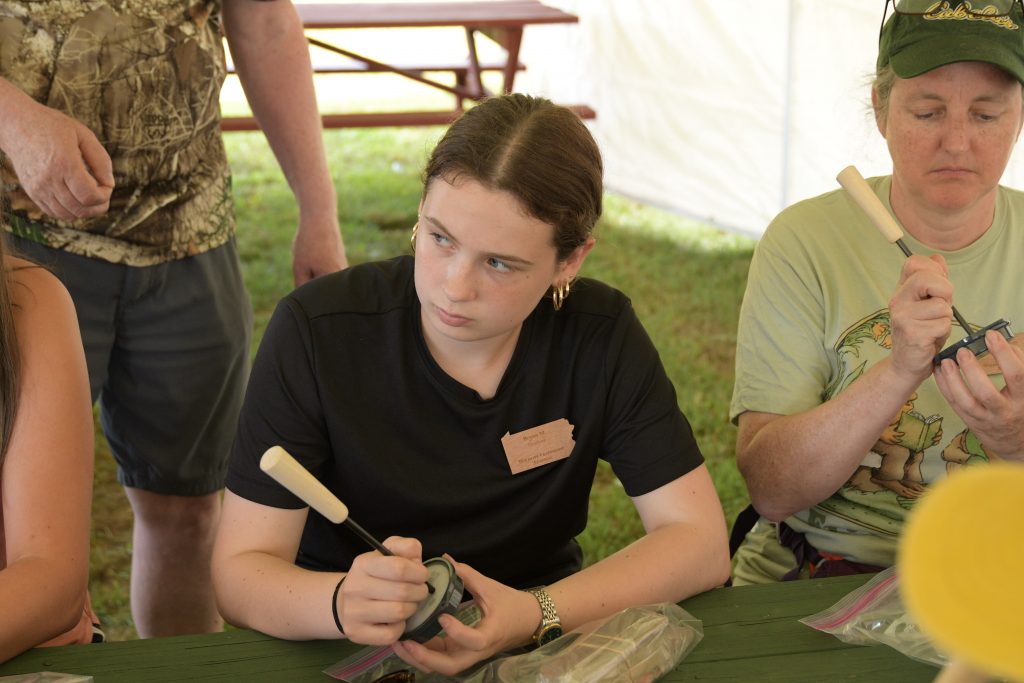
After students participate in the one-week Gobblers program, they are required to share their knowledge through community outreach projects, advocating for wildlife conservation. After the outreach projects are complete, WLA alumni are eligible to return to the field school in the following years as mentors, apprentices, or summer staff. Autumn McEntee, a 2019 Gobblers alumna and NWTF member, returned this summer as a turkey calling instructor.
McEntee said that her experience with WLA changed her life. She had already been a passionate turkey hunter and professional turkey caller before attending, but having the hands-on experience reaffirmed that she wanted to spend her professional career in the field of conservation.
“This cohort of students were some of the best callers I’ve heard,” McEntee said. “They were purring on their box calls like a flock of turkeys; I was very impressed. This program is a crucial step for everyone, whether they’re pursuing a career in the wildlife conservation world or not. We cannot care about what we don’t know, and the only way we know is to learn, and this is an incredible opportunity for that.”
WLA field schools empower young adults to become conservation ambassadors who will ensure natural resources remain a legacy for future generations. Aside from learning about wild turkeys, students also take nature journaling, photography, and leadership foundations classes to build skills to enhance their ability to communicate the lifechanging power of the outdoors.
“This programming is important for young adults because it provides a foundation of science literacy, allows for critical thinking and the development of leadership skills,” said Sara Mueller, WLA executive director. “We get to do this outside, with the framework of conservation, so we’re able to disconnect from the rest of the world while we’re exploring the natural world. It’s critical for WLA to partner with other organizations like the NWTF for this because not only do they provide funding, they share their knowledge and passion for the wild turkey to the next generation.”