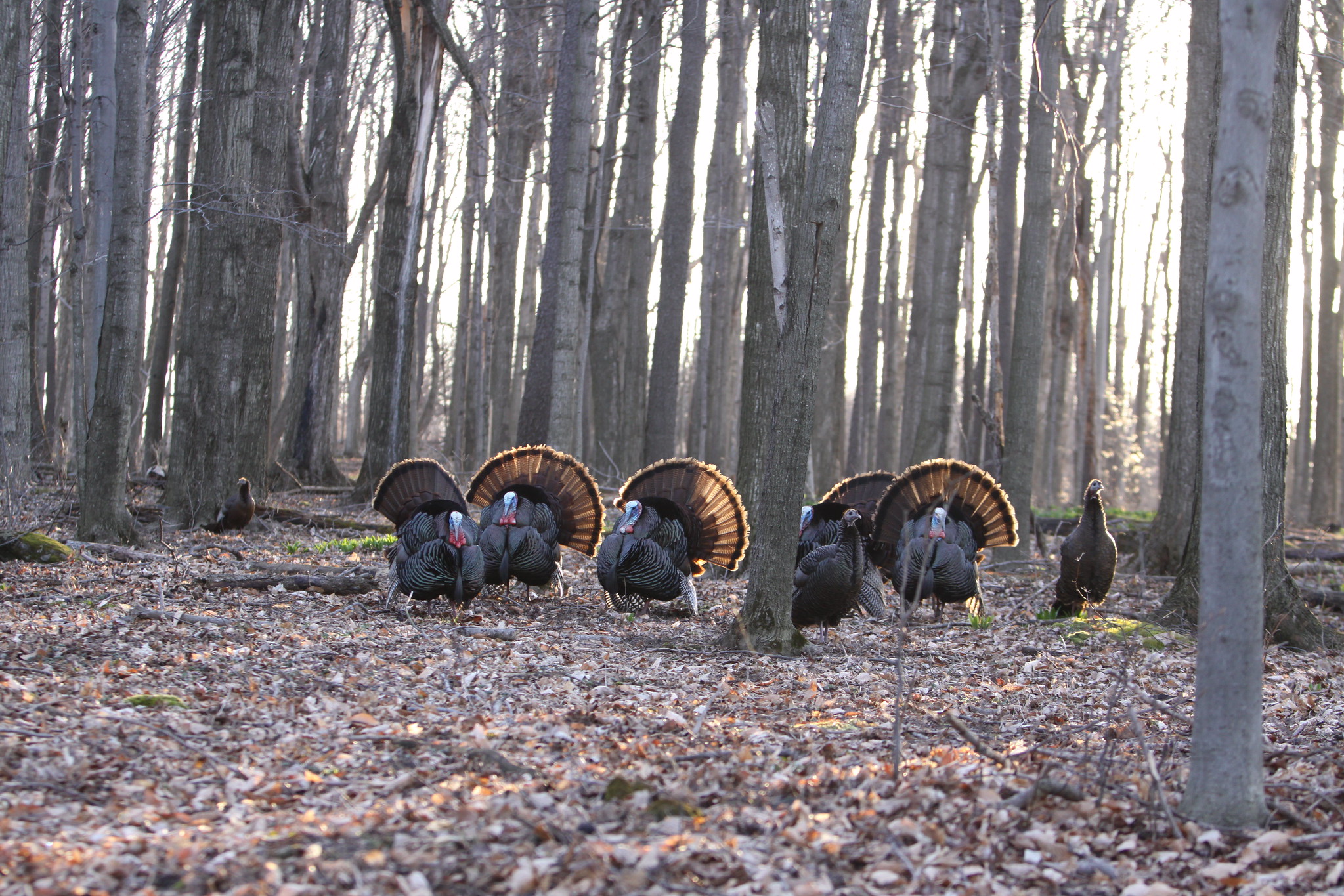
Ensuring the Future of Our Forests and Flocks
The Northeast region boasts a rich history of wild turkey conservation. Besides remnant populations in parts of Maryland, Pennsylvania, Virginia and West Virginia, wild turkeys were completely extirpated from the rest of the states within the region in the early 1900s. The NWTF created its 10-year Forests and Flocks Initiative to prevent future declines by building upon historic restoration efforts and ensuring the health and vigor of the Northeast’s wild turkey population for the future.
In addition, the Forests and Flocks Initiative is working to strengthen the region’s rich hunting heritage and increase our collective voice against recurring proposed legislation that is in opposition to the NWTF’s mission, while supporting policy that benefits our hunting heritage and active habitat management.
Launched in August of 2024, the Forests and Flocks Initiative is making progress toward its 10-year goal of improving 100,000 acres across Northeastern states, and in just one year, the region is celebrating results.
Numbers to Date
Between the NWTF state chapter Super Fund projects, grant work, NWTF’s National Forestry Initiative (private land efforts), seed orders and equipment acres, the Forests and Flocks Initiative has already impacted 10,718.5 acres. These acres include:
- National Forestry Initiative: 1,298 acres
- Seed Program Acres: 6,880.25 acres
- Equipment Acres: 1,361.5 acres
- Super Fund, Grants and Agreements: 1,108.75 acres
- Improving Public Hunting Access: 19,800 acres (through a single West Virginia project)
Annual Cycle Habitat Management
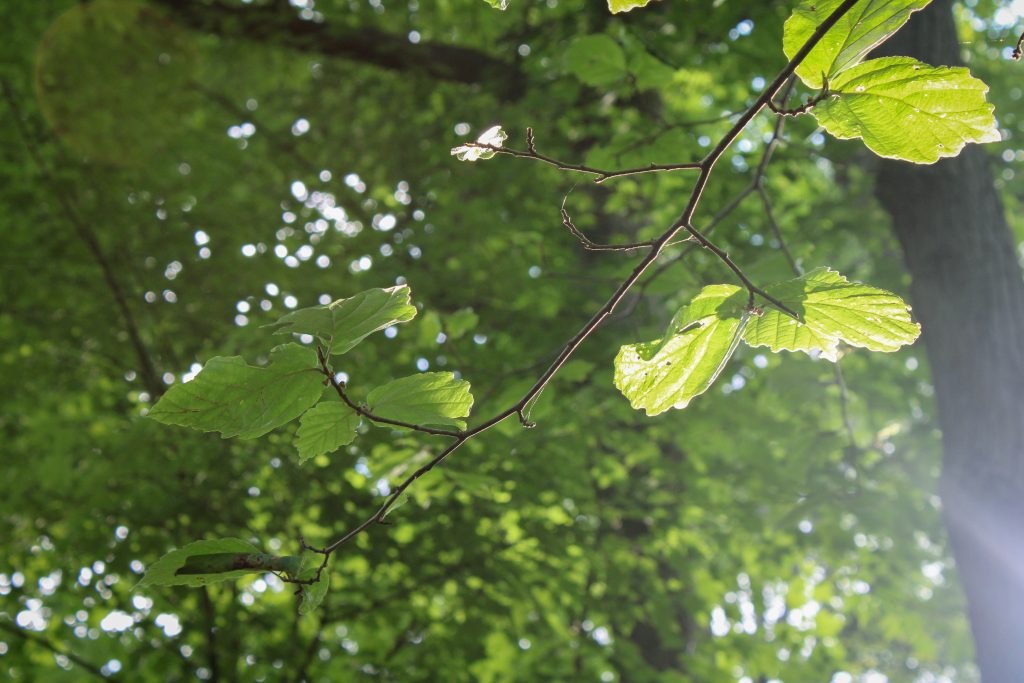
The NWTF staff that developed this initiative took an all-seasons approach to habitat management, making it one of the NWTF’s most unique initiatives.
“We're focusing on habitat needs for wild turkeys on a four-season scale because wild turkeys have distinct and critical requirements throughout the year,” said Kaylee Szymanski, NWTF district biologist for New England. “By managing habitats across all four seasons, the Forests and Flocks Initiative supports every stage of the wild turkey’s life cycle, increasing survival rates and reproductive success. This comprehensive approach not only strengthens wild turkey populations but also promotes healthier forests and benefits a wide range of other wildlife species.”
Working with Private Landowners
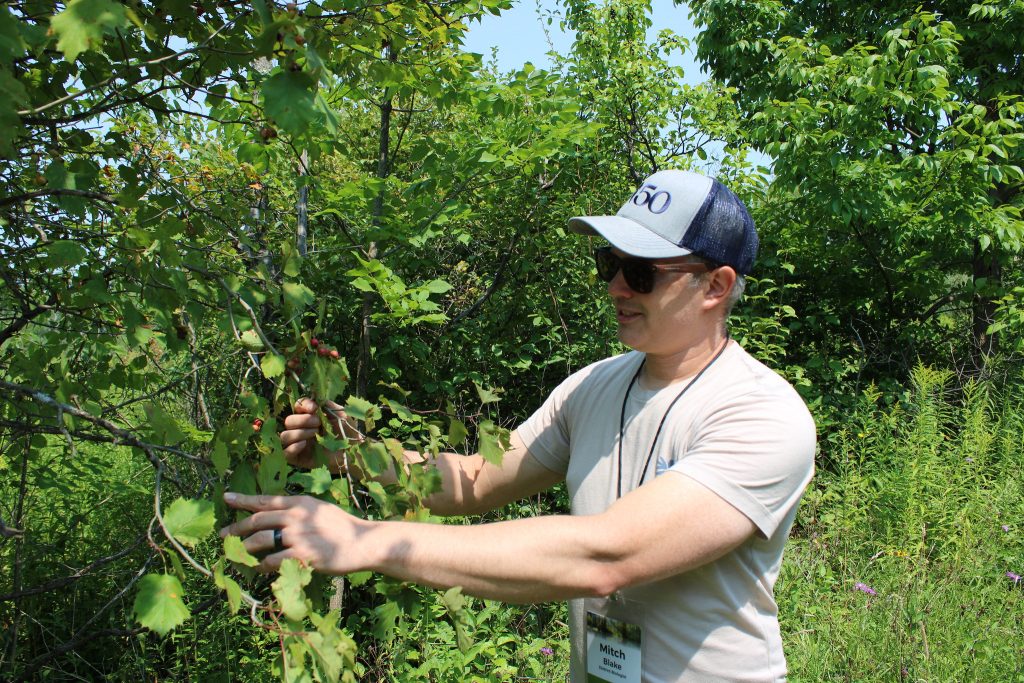
In the Northeast, working with private landowners is critical for achieving the initiative’s ambitious acreage goal because a significant portion of the region is held within private land ownership.
“Here in the Northeast, roughly 80% of our land is privately owned,” said Spencer Como, NWTF NFI forester. “Some states have an even a higher rate. Maine is roughly 95% private, and here in Vermont we're around 85%.”
Biologists and foresters in the region are working to encourage landowners to manage their land for wildlife, even in the simplest ways. Leaving land untouched isn't always the best thing for wildlife conservation. Management activities — like mowing outside of the ground nesting season or leaving brush piles on the edge of a field for ground cover — allow private landowners to be a part of the initiative's conservation mission.
“Being able to get out there and do any work on the landscape is going to help right off the bat,” Como said. “I'm working with landowners that only have four acres, and we just do two acres of mast tree release. We're doing a pollinator garden and everything. So don't assume if you have a small property, you can't make a good difference because you can.”
The National Forestry Initiative is a resource available for private landowners seeking technical advice from NFI foresters and is a partnership between the NWTF and the USDA Natural Resources Conservation Service.
The NWTF also offers private landowners the opportunity to participate in its seed programs.
“Since putting this initiative out to not only NWTF members, but to anyone who has read about it, I feel like there’s been an influx in folks interested in learning what they can do on their own properties,” said Mitchell Blake, NWTF district biologist for Delaware, New Jersey, New York and Pennsylvania. “That’s one thing I hadn't seen as much prior to the initiative: an interest in managing their own properties.”
Partnerships
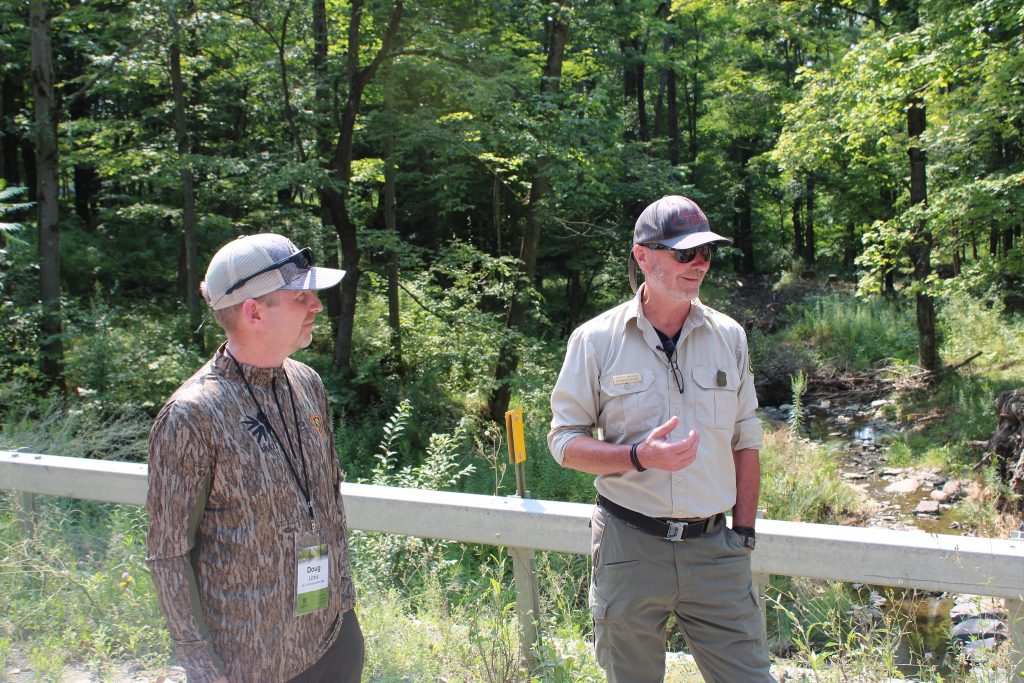
Partnerships are vital to the initiative. In fact, the first project under the Forests and Flocks Initiative was a collaborative project, emphasizing the importance of partnerships as the initiative grows. In collaboration with the USDA Forest Service, the NWTF already has impacted several habitat projects within the Finger Lakes National Forest.
“We’re cutting over 200 acres of timber, and we're also doing service work to clear out some of the understory that's less desirable to give some established oak regeneration a head start,” Blake said. “We're hoping to get rid of that interference and also do some supplemental planting as well to create early successional habitat and wild turkey brood-rearing habitat at the same time.”
Partnerships with state agencies on wildlife management areas have also been crucial for the initiative. The Virginia NWTF State Chapter recently partnered with the Virginia Department of Wildlife Resources and the Virginia Department of Forestry to establish native open field habitats within the Highland Wildlife Management Area.
Education and Outreach
Education and outreach and R3 — recruit, retain and reactivate — efforts are other key components of the Forests and Flocks Initiative as there is regionally less participation in hunting and shooting sports compared to other parts of the country. Hunting does not exist without cultural support, and in the Northeast, shifting public attitudes are working against the hunting community. By hosting more inclusive and educational events, The NWTF's team in the Northeast hopes to build a strong community of support and continue to unite the nation through the life-changing power of the outdoors, whether that be through hunting, shooting, fishing or any other activity that gets folks outside.
“Education and outreach are important factors for any initiative; they’re the glue that holds everything together by helping those interested in learning more and keeping them involved and knowledgeable about the resource,” said Jesse Warner, NWTF R3 coordinator for the Northeast. “Whether it is a brand-new hunter looking for tips in the turkey woods or a landowner wanting to learn more about how to improve their property for local wildlife, through holding workshops, seminars, mentored hunts and more, we open a gateway to the broader community to learn more about conservation and our mission at the NWTF.”
This past year, the region has stepped up to the plate by hosting many education outreach events geared toward children, women and adult-onset hunters. These events demonstrate their importance through the stories about mentorship making people feel more comfortable and equipped.
The region is also utilizing the Hunt For Good Campaign to reach a whole new demographic by highlighting the various benefits of hunting.
Forests and Flocks Initiative staff work closely with volunteers, partners and policymakers to identify and work through issues that impact wildlife management, land conservation and hunting rights.
Currently, the NWTF is monitoring more than 15 proposed bills in the region that could affect land access, habitat management, wildlife management or hunting heritage. This past year, the region celebrated the passing of Connecticut and Pennsylvania's Sunday hunting bills. The Pennsylvania NWTF State Chapter also supported HB1507, which would allow non-resident college students to purchase hunting licenses at the resident fee for up to four years while enrolled within Pennsylvania if the bill passes.
“I think people underestimate the voice that they can have if they reach out to their representative,” Szymanski said. “Everyone has the opportunity to be active, and we would love for you to be. If you feel like it's something that is interesting to you, reach out to your NWTF district biologist. The NWTF also has a government affairs website that gives you a lot of information as to what's going on per state and nationally.”