Equipment Investments Keep Working for Indiana Habitat
Conservation equipment does not stop making an impact when the initial project is complete.
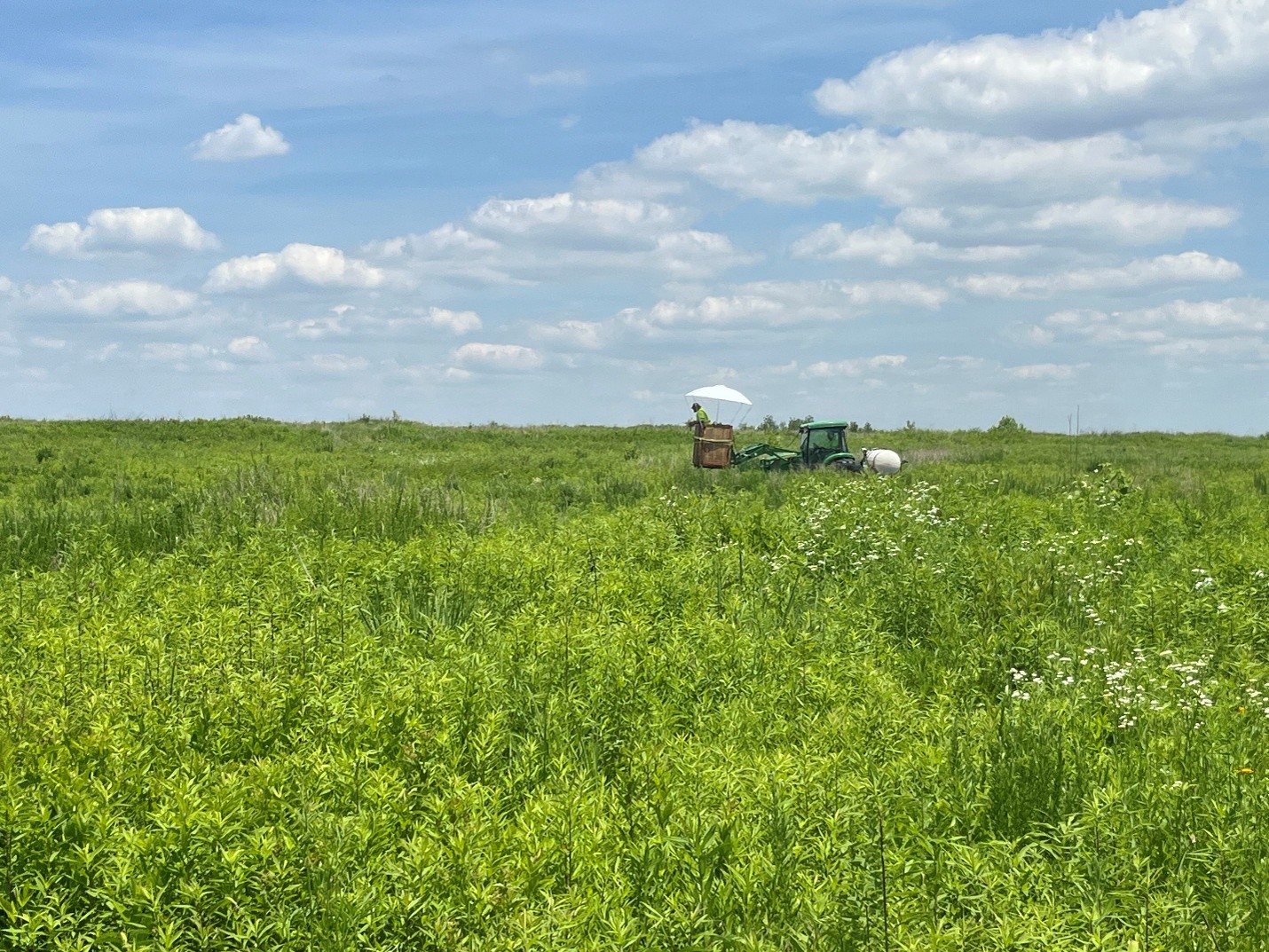
In Indiana, equipment supported by the National Wild Turkey Federation over several years helped the Indiana Department of Natural Resources impact more than 800 acres in 2026 alone, and those tools are positioned to continue producing habitat benefits for years to come.
The NWTF-supported equipment reported by the Indiana DNR includes a 2019 John Deere track loader with a tree and shrub mulcher, a 2023 John Deere agriculture tractor, a rotary mower, a no-till drill, an all-terrain vehicle and a utility terrain vehicle.
Each fills a different need on the landscape. Together, the equipment gives wildlife managers the ability to tackle vegetation management, maintain wildlife openings, establish plantings and access areas where habitat work needs to be completed.
By the calculations of Brian Finch, Indiana DNR wildlife specialist and assistant property manager, the various pieces of NWTF-supported equipment contributed to work impacting more than 800 acres this year.
“I hope we can continue to meet each other’s mission statements and goals, finding ways to partner along the way and achieve better habitat, better birds and ultimately … better hunts,” Finch said.
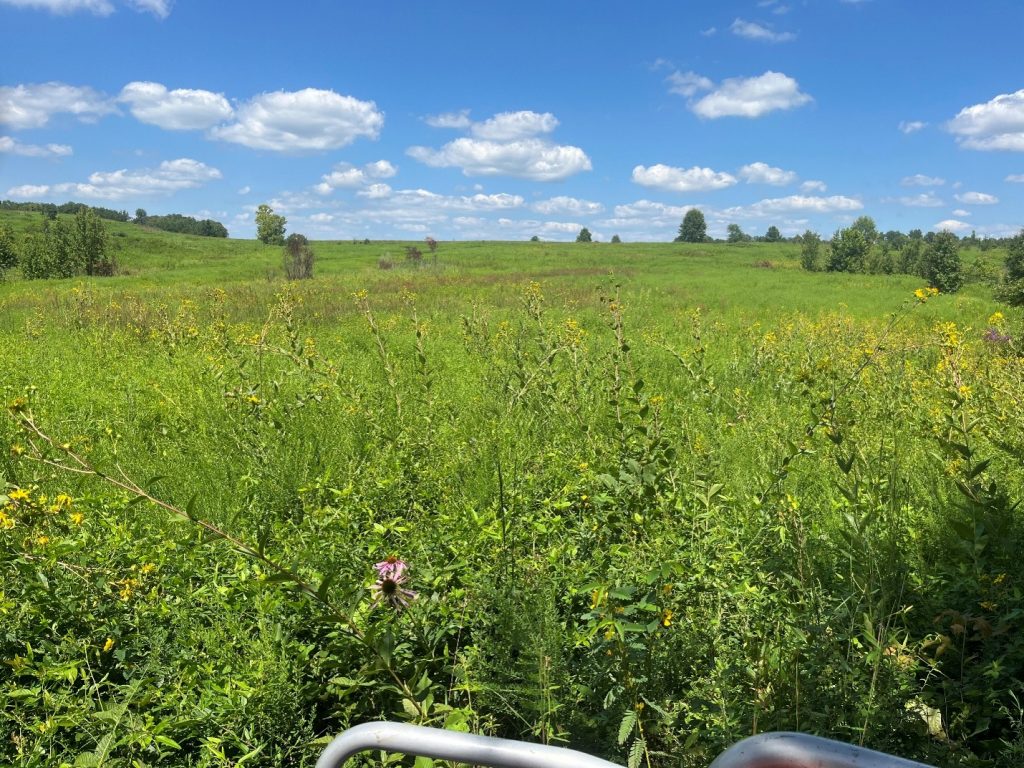
The impact becomes even clearer when looking at the equipment as a long-term investment rather than a single-year project.
In 2023, the Indiana NWTF State Chapter allocated $43,000 to assist Patoka Lake Reservoir with the purchase of a new tractor. At the time, the tractor was expected to help manage at least 250 acres annually.
That tractor is now one piece of a larger collection of equipment helping DNR staff put habitat work on the ground.
Unlike funding that pays for a single treatment, equipment can continue contributing acres year after year. A tractor can return to maintain an opening after its initial restoration. Prescribed fire equipment can continue to set habitat back in succession. A no-till drill can establish vegetation on one site and move to another. A track loader and mulching attachment can help managers address woody growth as needs change across the landscape.
“Equipment drives conservation; they are the tools we use to create and improve wildlife habitat," said Chase Seals, NWTF district biologist. "It is a necessity of conservation efforts. State chapters helping fund equipment broadens our impact on the ground."
That longevity is what makes equipment funding an important piece of partnership-driven conservation. NWTF provides support that expands what agency staff can accomplish, while DNR personnel put the equipment to work where it can have the greatest habitat benefit.
In 2026, that meant more than 800 acres positively impacted.
In the years ahead, the same equipment can continue adding to that total, turning one investment into thousands of acres of habitat work.