Finding Community in a Nebraska Turkey Camp
When I first planned my trip to Nebraska, I had a picture in my mind of what the landscape would look like. Like many people, I imagined long stretches of flat ground, agricultural fields running to the horizon and a kind of openness that felt simple. What I found instead challenged that assumption almost immediately.
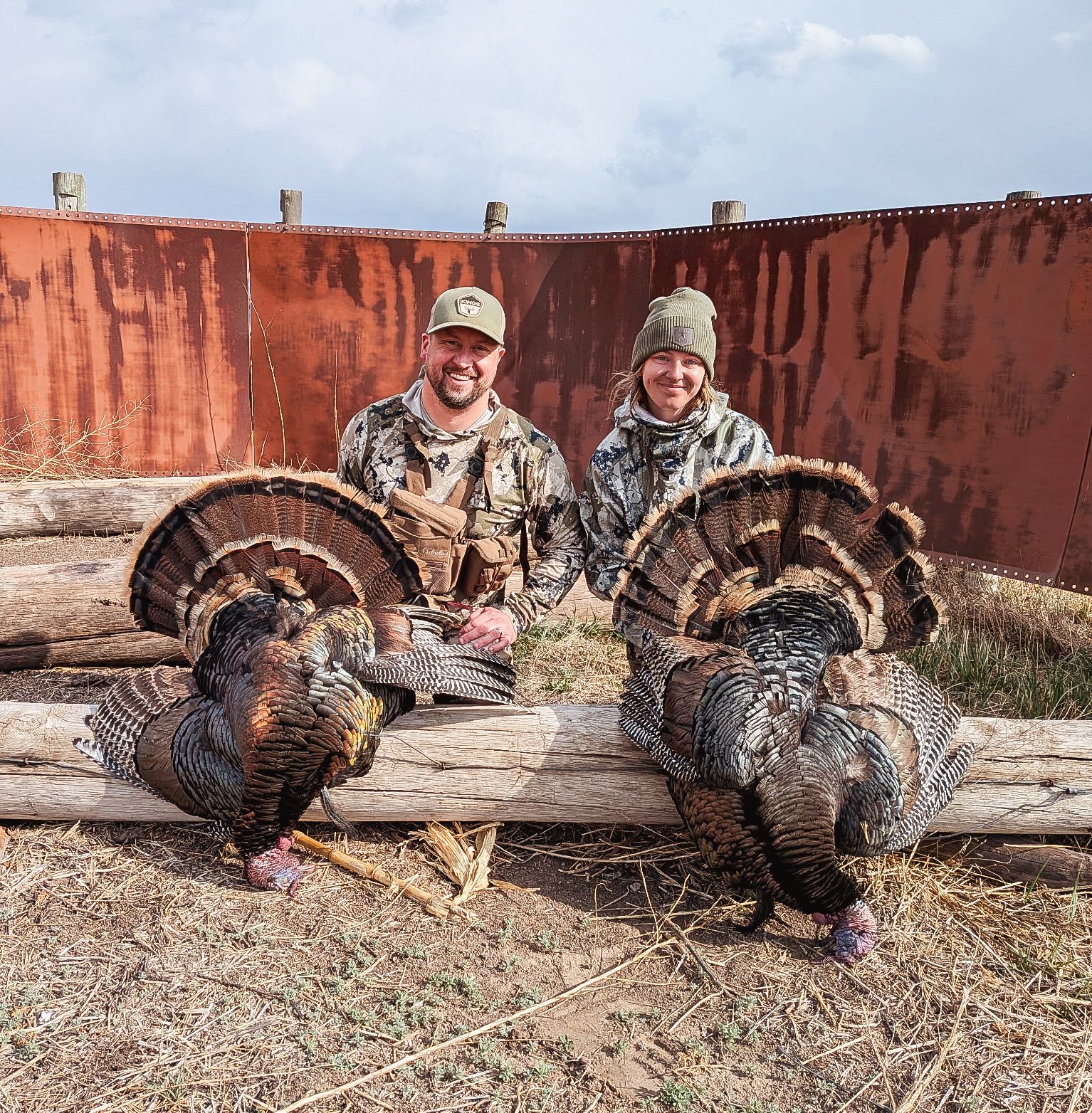
The country rolled in ways I hadn’t expected. Steep hills rose up from the plains, folding into deep-cut canyons that seemed to appear out of nowhere. In places, the land bore the marks of recent fire, blackened ridges contrasting sharply with the fresh green of new growth pushing through. It was rugged, textured and alive — far from the Nebraska I had imagined and much closer to something that demanded attention, patience and a willingness to adapt.
It was the perfect setting for what would become far more than just a hunt.
This past week marked my first experience in a true turkey camp, and while I came to Nebraska with the goal of chasing a spring gobbler, I left with a much deeper appreciation for something that often gets overlooked in the pursuit of a filled tag. Hunt camps, especially those centered around turkey season, hold a kind of magic that is difficult to replicate anywhere else. They bring together people from different places and backgrounds, unify them under a shared goal, and create an environment where the experience becomes just as meaningful as the outcome.
There is an unmistakable energy that comes with gathering in camp alongside a group of hunters who are all there for the same reason. In our case, roughly 15 people gathered under canvas, each carrying their own expectations and hopes into the week ahead. That energy was evident from the very first evening, as we gathered for dinner and conversations began to flow as easily as the food was passed around the table. There was a collective anticipation that hung in the air as if everyone was already mentally stepping into the next morning.
Later that night, I followed the familiar ritual that most hunters know well. I laid out my gear carefully, making sure everything I would need before daylight was exactly where it should be. Headlamp, calls and extra layers, with each item placed with the intention to make the early morning as seamless as possible. Nearby, my Franchi Affinity 3.5 rested ready, paired with Remington HD Tungsten loads — a deadly combination I trusted to perform when the moment came.
When I finally climbed into my sleeping bag, exhaustion mixed with excitement in a way that made it difficult to fully settle in. Sleep came eventually, and when it did, it carried with it dreams of gobbling birds echoing through canyons and the possibility of success waiting just out of reach.
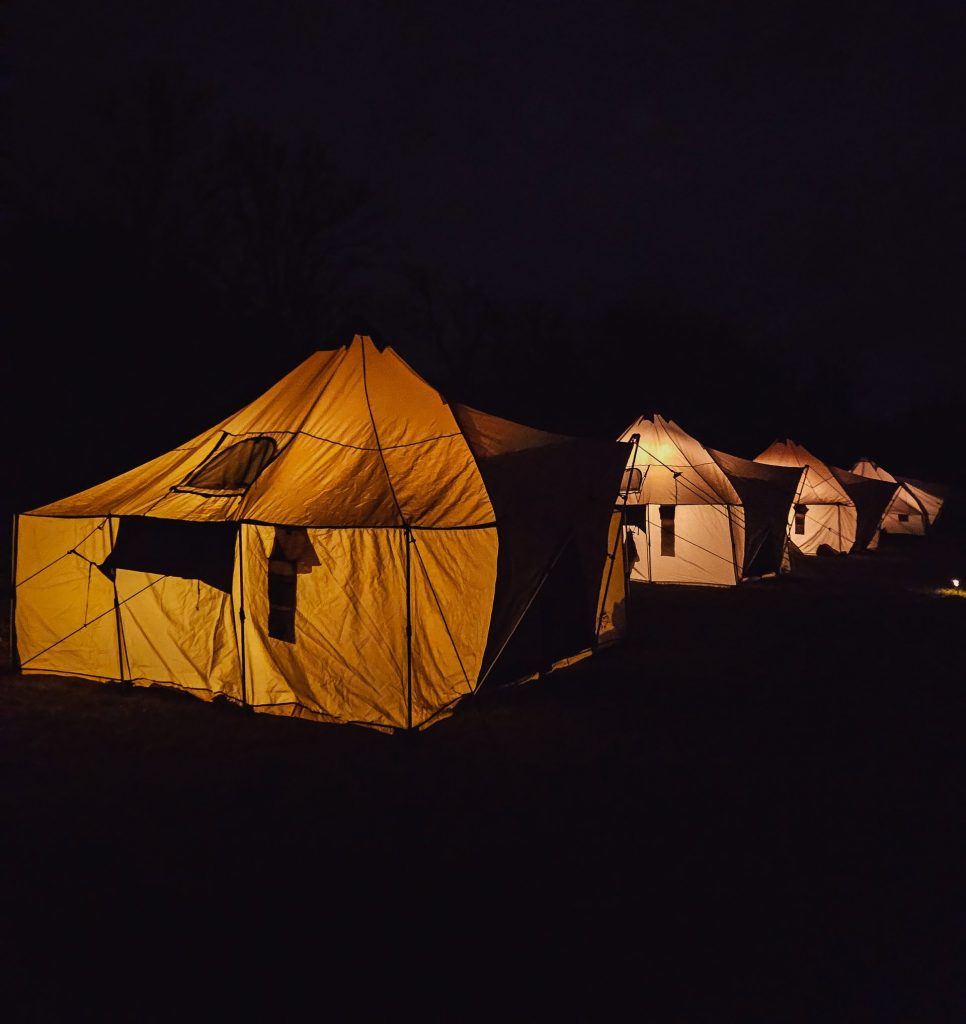
NWTF Staff Photo.
NWTF Staff Photo.
The following day wasted no time in testing us. Nebraska weather delivered a full spectrum of conditions in a matter of hours, with wind that cut through layers, bursts of snow that felt out of place for the season and cold rain that lingered longer than anyone would have preferred. It was the kind of day that forces you to adjust expectations and lean into the experience rather than fight against it. It also proved to be a real test for my LaCrosse Footwear Burly Aero boots and Kings Camo gear, both of which handled the elements, keeping me warm, dry and focused on the hunt instead of the discomfort. By the time we made our way back to camp that evening, there was a shared understanding among the group that the hunt had been challenging, but that challenge had also added to the story.
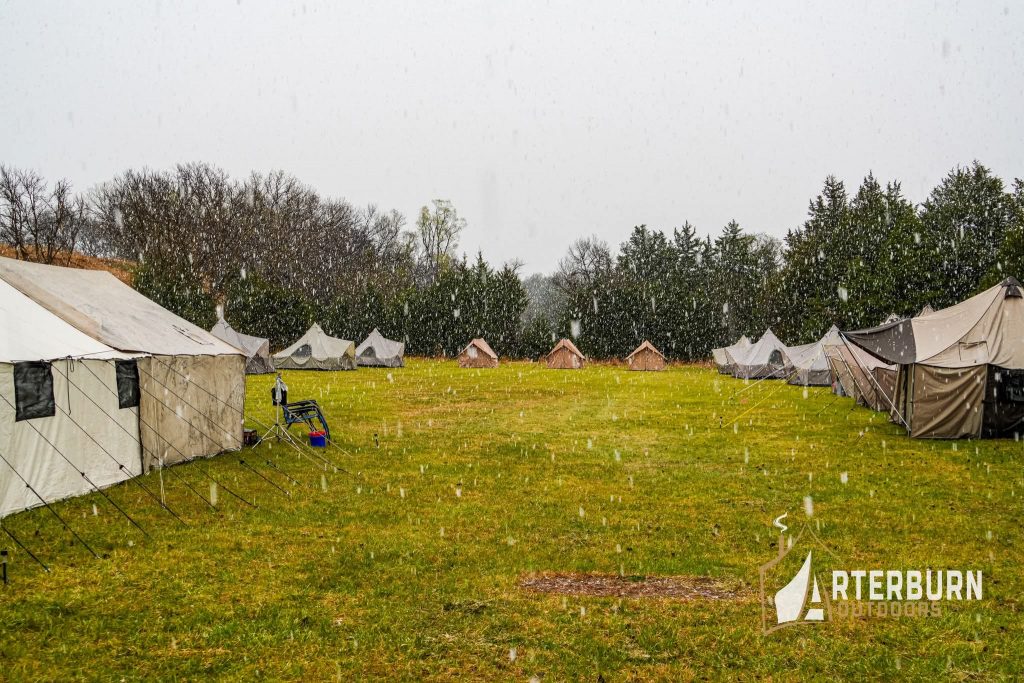
We gathered again in the main tent, drawn by warmth and the comfort of being together after a long day in unpredictable conditions. The stories that filled the space that night were not dominated by success, but by the moments that almost were. Hunters recounted close encounters with birds that hung up just out of range, opportunities that slipped away at the last second and decisions made in the field that could have gone either way. There was no disappointment in those conversations, only a kind of appreciation for the pursuit itself. In camp, those stories carry just as much value as any filled tag, because they are shared, understood and relived together.
The second morning brought a different kind of challenge. A heavy frost blanketed the ground, and a dense fog settled into the low areas, limiting visibility and muting the landscape. Later in the morning, we made our way to a high point to glass, relying on Maven B.3 binoculars for any sign of movement as the morning slowly unfolded. For a while, it felt as though the world was holding its breath, waiting for the conditions to shift.
When the fog finally began to lift, it did so gradually, revealing the terrain piece by piece. As sunlight broke through, a gobbler appeared in a field below us, fully committed to his strut and illuminated by that morning light. The moment felt almost surreal, as if the timing was too perfect to be coincidental. It sparked an immediate shift in focus, and we moved with purpose, working to close the distance and position ourselves for an opportunity.
What followed was a patient and deliberate effort that stretched over the course of a few hours. We adjusted our approach as the situation changed, trying to anticipate the bird’s movements while remaining as undetected as possible. At one point, a group of jakes took over the scene, displaying an almost comical level of confidence as they put on a show, with one dominant bird strutting, drumming and dancing for us. Their presence added a layer of entertainment to the hunt, a reminder that not every moment in the field has to be defined by the end goal.
Despite our efforts, the morning ended without a bird on the ground. It was another story to bring back to camp, and another reminder that turkey hunting rarely follows a straightforward path.
By the second afternoon, the rhythm of the hunt had settled in, and the weather was perfect. There was a growing familiarity not only with the landscape, but also with the people I was sharing it with. Hunting alongside Newt Borowski of Stillwater PR and working closely with our guide from Hidden Valley Outfiitters over the course of those days created a sense of cohesion that only develops through shared effort and time in the field. Their knowledge of the land — informed in part by scouting and well-placed Moultrie trail cameras — gave us the confidence to stay patient and trust the process.
When the opportunity finally came together, it felt like the result of everything that had led up to that moment.
The setting itself made the experience even more memorable. With canyons stretching out behind us and recently burned hills providing a stark and beautiful backdrop, the scene felt almost cinematic. When the shot finally broke and the bird was down, there was an immediate sense of accomplishment, but it was accompanied by something else as well. After days of anticipation, effort and shared experience, the finality of success carried a bittersweet realization that this chapter of the hunt was coming to a close.
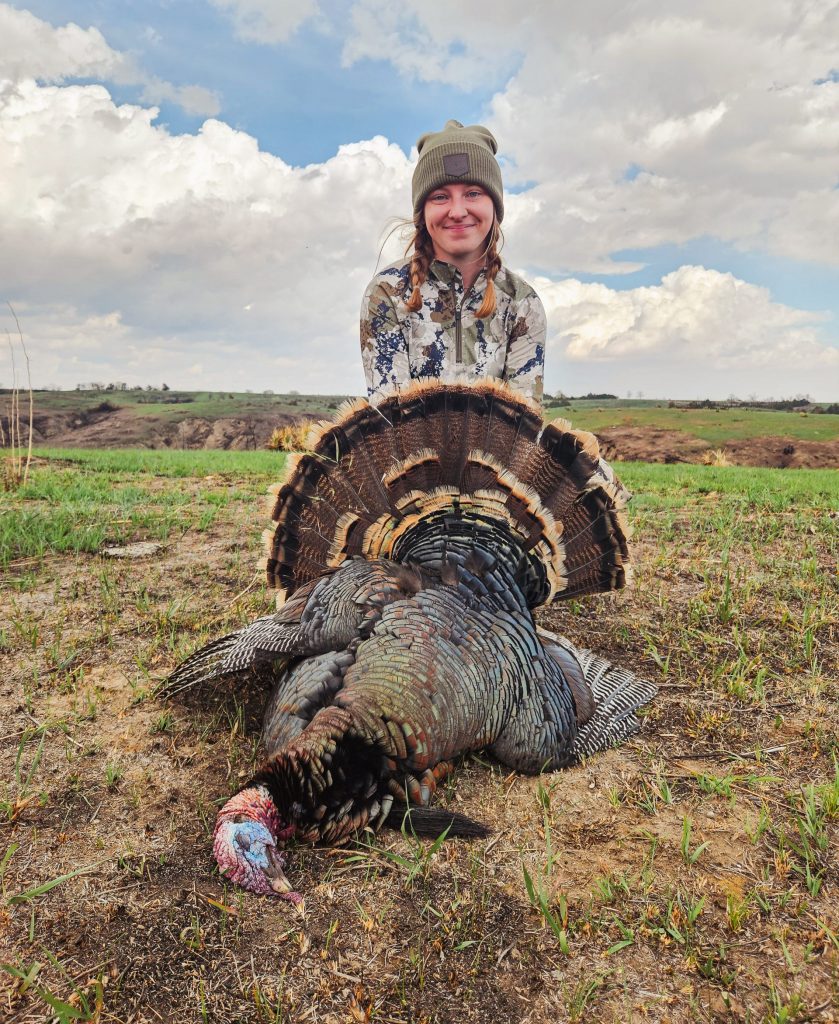
Back at camp, however, that sense of finality was replaced by something entirely different. As hunters returned throughout the afternoon, it became clear that success had been widespread. By the time dinner was served, every hunter in camp who held a tag had filled it. Eleven birds in two days created an atmosphere that was undeniably celebratory, but what stood out most was not the number itself — it was the way the success was shared.
Stories were told and retold, laughter carried easily through the tent and the sense of camaraderie that had been building since the first night reached its peak. In that moment, it was clear that no one was celebrating alone. Each bird represented not just an individual accomplishment, but a collective experience that the entire camp had been a part of.
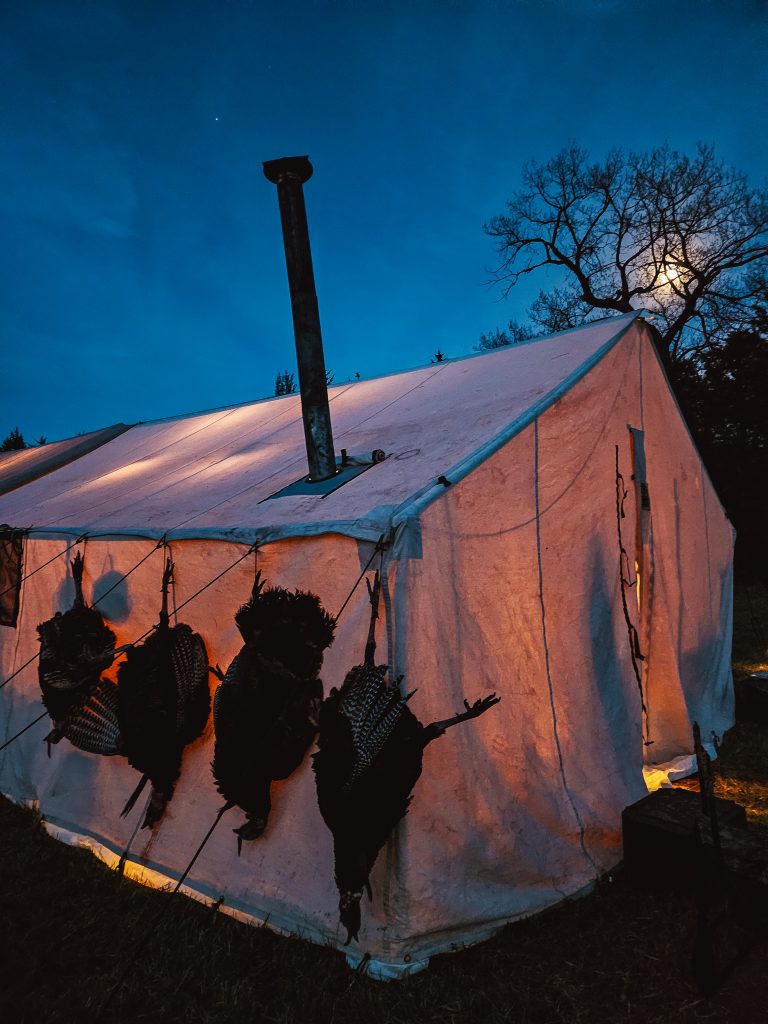
As the time came to pack up and prepare for the trip home, the pace slowed once again. I carefully loaded processed meat into my cooler, going through the motions of wrapping up the hunt while reflecting on everything that had unfolded over the past few days. The physical reminders of success were there, but they felt secondary to the intangible aspects of the experience that would stay with me much longer.
I left Nebraska with a filled tag, but more importantly, I left with a deeper understanding of what makes hunts like this truly meaningful. The landscape had challenged my expectations, the hunting had tested my patience and the camp had provided something that cannot be measured or replicated.
In the end, it was not just about the bird.
It was about the people, the shared moments and the sense of belonging that comes from gathering in wild places with a common purpose. It was about the stories told, the early mornings filled with anticipation and the community built from the experience that lingers long after the hunt is over.
That is what I found in Nebraska, and it is what will draw me back to camp again.