Finding the Call a Turkey Likes
Gobblers sometimes respond best to a specific call. Determining which yelper works best that day can make or break a hunt.
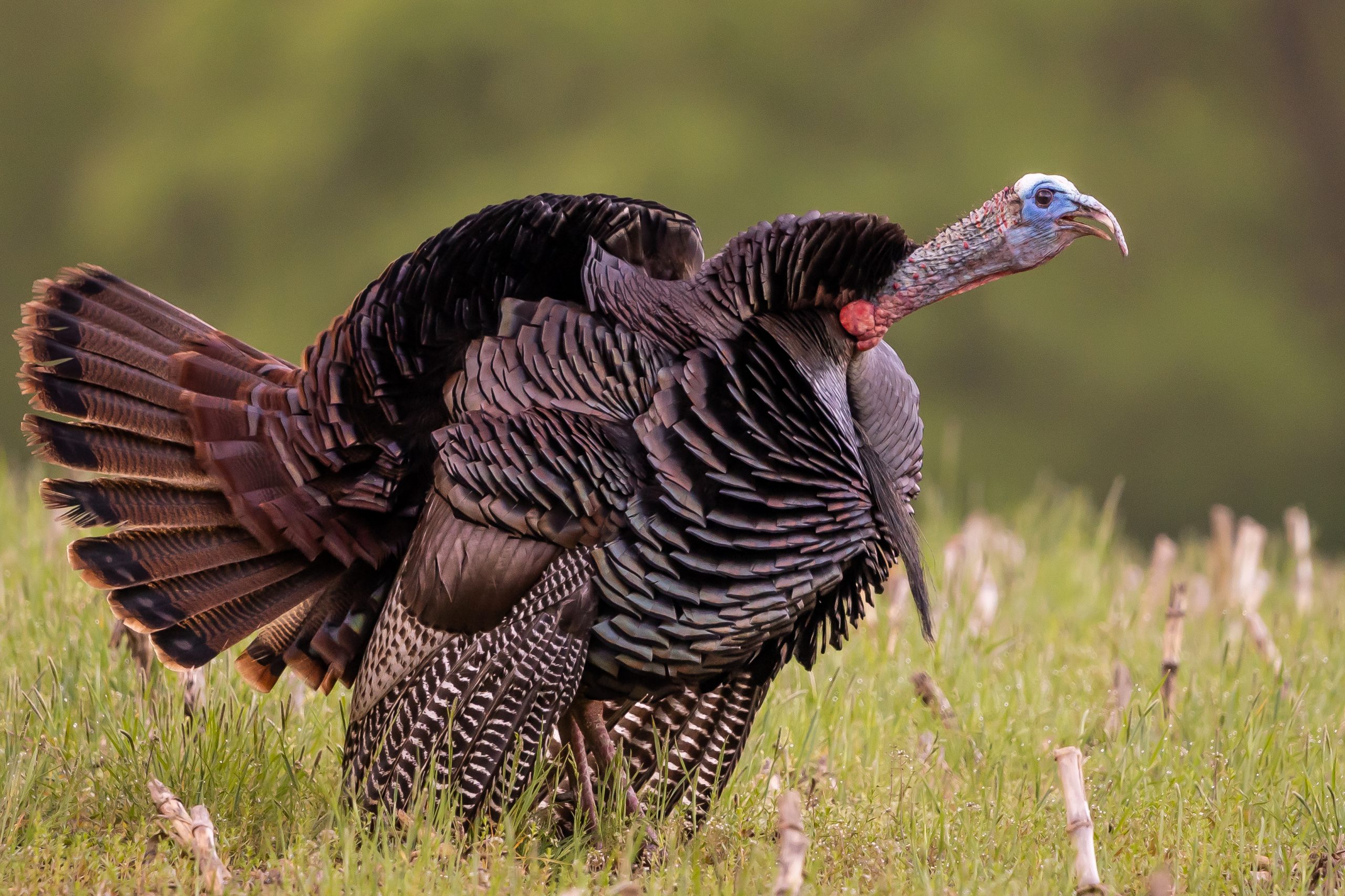
Turkey hunters learn quickly that gobblers are finicky, and their random behavior can be frustrating.
That also extends to calling. If you’ve yelped at a few longbeards through the years, you probably noticed how they sometimes prefer one call or sound while almost ignoring others. So logically, discerning which tone, pitch and intonation a turkey wants to hear that day is the key to many hunts.
That sounds tough, but it’s really just a process of experimentation.
Cold Calling
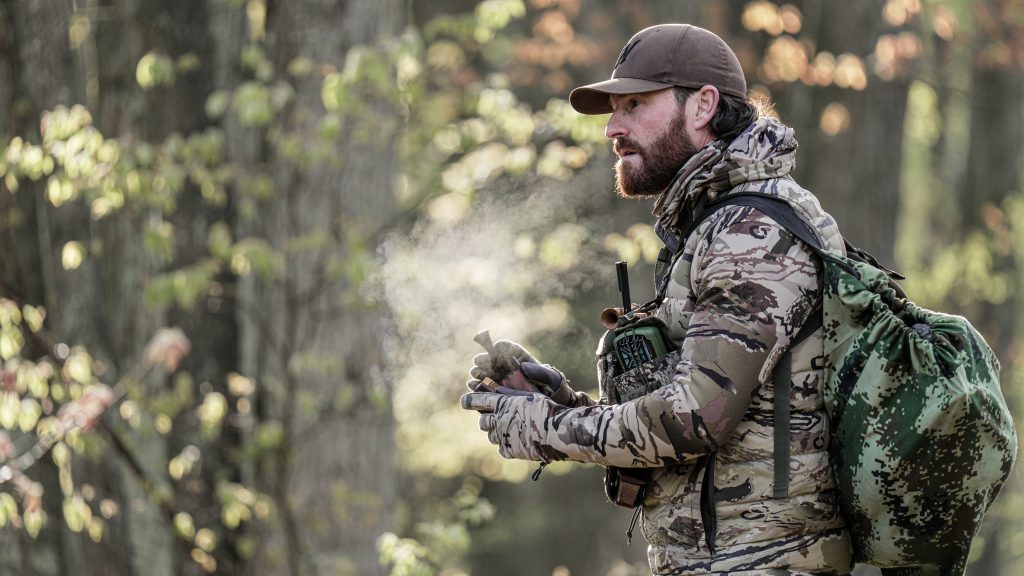
Blind-calling to quiet turkeys often provides the best forum for finding the “perfect” call. I follow some advice Grand National Calling Championships Hall of Fame member Ernie Calandrelli gave me years ago: After you set up, take out several calls and place them in a semi-circle around you. Then, start at one end and slowly work your way through the options, running brief sequences with each and then switching to another. I’ll typically run a slate, glass and aluminum for pots, and mix in mouth calls and a box. I always start with soft stuff — a good rule for any calling scenario — and then gradually increase volume and intensity to see if it prompts a response.
You don’t have to take long breaks between sequences. Five to 10 minutes is plenty. Be sure to stop and listen intently for a response after each run. When a gobbler responds to a specific call or calls, you can narrow down your options and focus on working the bird.
Walking and Calling
Mobile scenarios are a bit more difficult, but you can still run several calls while cutting and running. I’ll typically use one pot and a mouth call, and throw in a box here and there. Run one or two at each calling stop (every 75 to 100 steps, as terrain and cover allow), and always start softly. If a bird responds, try to determine whether it’s really interested or just gave you a courtesy gobble. Old-timers used the rule of three. That is, if they could make a turkey gobble three times, the turkey was likely serious about working. If it only responded once or twice, it probably had hens and was just uttering a “come-and-join-us” courtesy gobble. Again, if you hit on a call a gobbler really likes, focus on that, and work him in.
Working a Bird
Now and then, the call a turkey likes might depend on the type of calling it wants to hear. Some days, gobblers respond best to soft, subtle stuff. During other hunts, they might get fired up by excited yelping and cutting. Taking a gobbler’s temperature — that is, determining how hot he is — can narrow your call choices.
For example, a somewhat distant longbeard that seems to like aggressive stuff will probably respond best to a relatively loud box, tube, glass or aluminum call. A bird that wants softer hen sounds might require that you use a trumpet, diaphragm, slate or scratch box. But those are just general guidelines. Don’t make assumptions, and let a gobbler reveal his favorite.
The Bottom Line
On some hunts, a gobbler’s favorite call jumps out at you. Other times, you might never truly find it. Whatever the case, follow these rules: First, if a specific call and approach are working, stick with them. Second, if a gobbler hangs up or doesn’t respond well, try the opposite approach. Through time, you’ll notice trends that can help you quickly determine the call that can bring a turkey to the gun that day.