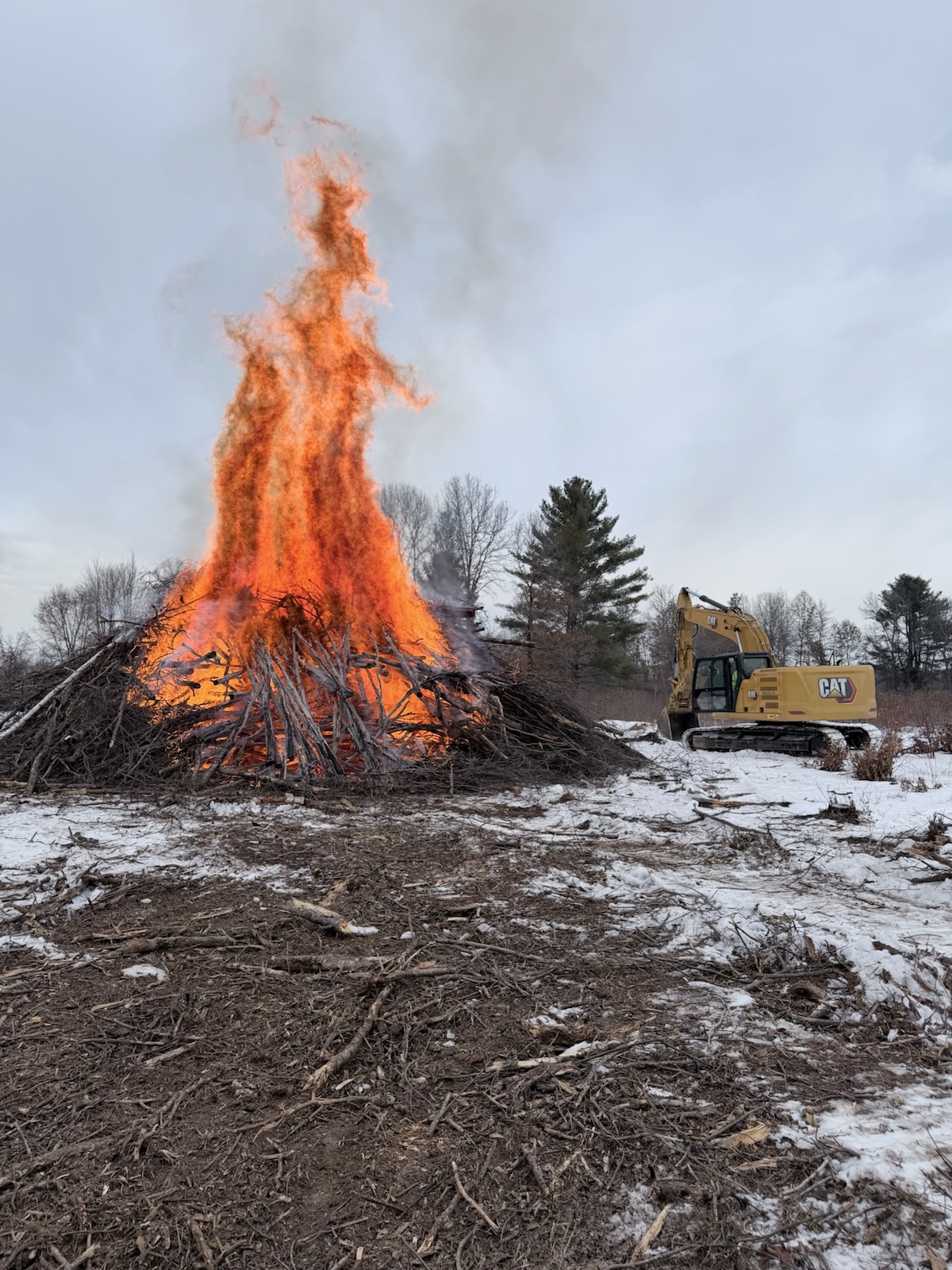
Fire at Tornado Barrens
Flames, freshly opened ground and silhouettes of remaining trees tell the story of habitat work underway at Wisconsin’s Augusta Wildlife Area in Eau Claire County.
The National Wild Turkey Federation and Wisconsin Department of Natural Resources recently partnered on a 20-acre project, dubbed the Tornado Barrens project. The project is restoring and expanding a remnant pine and oak barrens community while preparing the site for continued management in the years ahead.
The Wisconsin NWTF State Chapter provided support from their Hunting Heritage Super Fund toward project.
Augusta Wildlife Area covers more than 2,100 acres and includes wetlands, forests and remnant barrens. Barrens are open, fire-dependent landscapes typically made up of scattered pine and oak trees mixed with grasses and wildflowers.
Without periodic disturbance such as fire, woody vegetation can gradually take over and change that open habitat.
At Tornado Barrens, the project combined several habitat management techniques to create a new 20-acre burn unit and enlarge the surrounding open barrens landscape.
Crews removed trees and used forestry mowing to open areas that had become increasingly encroached by woody vegetation. Remaining slash was piled and burned, reducing fuel loads within the unit, while a dozer was used to establish safe, drivable firebreaks around the site.
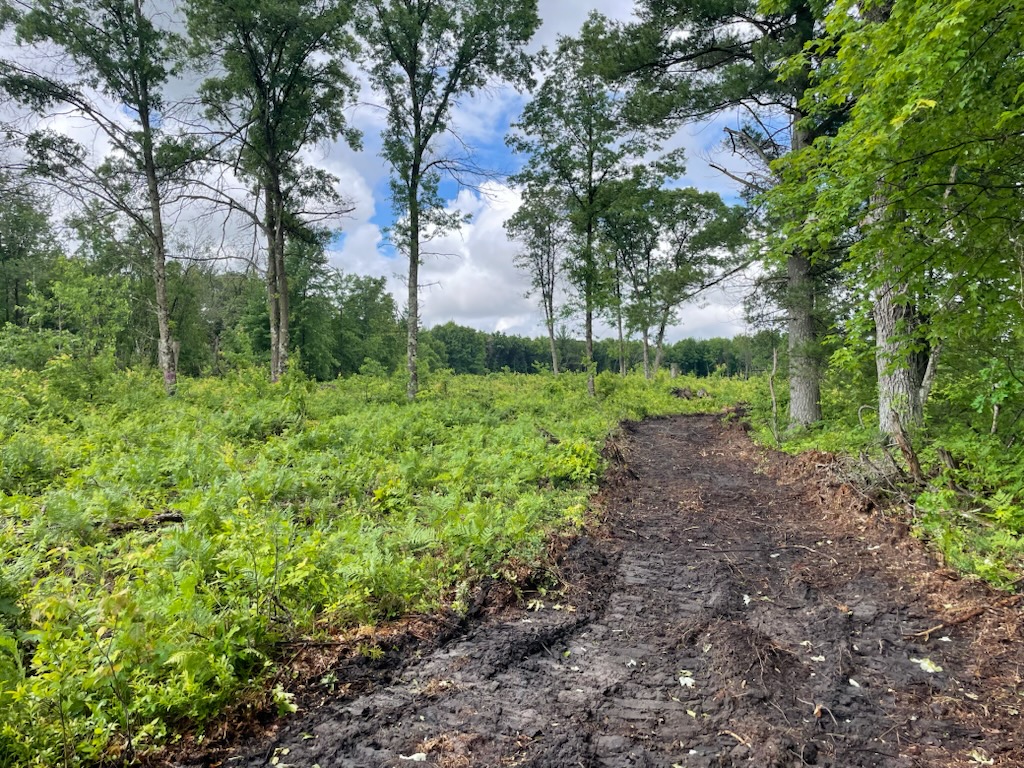
Contractors also treated unwanted woody vegetation with herbicide, helping reduce competition and giving native grasses and forbs more room to respond.
Together, those treatments are intended to restore the open character that defines pine and oak barrens habitat while making future prescribed fire and other management work more practical.
"Being able to return fire to this landscape will revitalize the oak and pine barrens that once flourished in this area,” said Clayton Lenk, NWTF district biologist. “Oak and pine barrens habitat are exceedingly rare, so being able to take part in the restoration of those habitats to the benefit of the wild turkey and countless other species is something we take great pride in."
Fire is an important part of maintaining barrens. Periodic burning helps hold back woody growth while encouraging the grasses, forbs and other vegetative characteristics of these open communities. Prescribed fire allows land managers to recreate that disturbance under planned conditions.
For wild turkeys, the result is another piece of a diverse habitat puzzle. Open areas rich in grasses and forbs can support insects and other resources used by growing poults, while nearby forested cover provides additional habitat.
The work also benefits the people who use the publicly owned Augusta Wildlife Area for hunting, hiking, birding, trapping and wildlife viewing.
The firebreaks, woody vegetation control and other improvements establish the framework for continued management of Tornado Barrens well beyond this year’s work.