Skip to content
Conservation
Firebreaks and Fly Downs — March 21, 2024
Check out updates from the Southeast and Midwest for this first episode of Firebreaks and Fly Downs.
March 21, 20242 min read
Firebreaks and Fly Downs is a new weekly update where NWTF biologists cover the duality of the NWTF mission — conservation and hunting. We will discuss current conservation efforts on a regional basis and what the birds are doing to help keep you informed this spring. New "episodes" of Firebreaks and Fly Downs will be available every Thursday at 7 p.m. EDT on the NWTF's YouTube channel.
Southeast
Derek Alkire - NWTF District Biologist (AL, KY, TN)
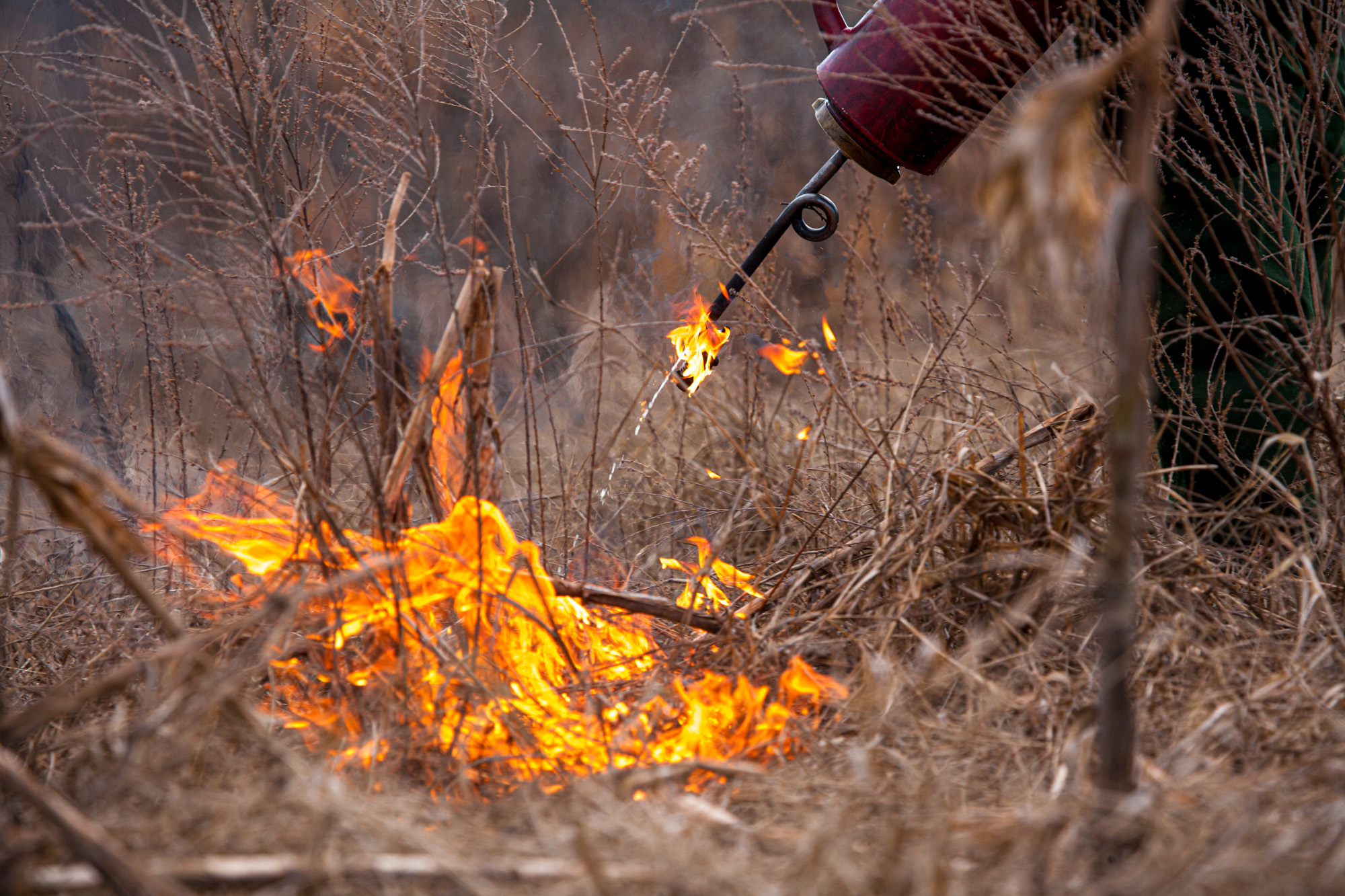
- Conservation: Land managers are utilizing prescribed fire to manage early successional habitat and control unwanted woody intrusion. If you see smoke, you may want to look for turkey sign in the next few days as they will be seeking out the burns for new growth and dead bugs.
- Hunting: Youth seasons are starting to open soon in parts of the south. Birds are still in winter flocks but should start breaking up soon.
Kacie Bauman - NWTF District Biologist (AR, LA, MS)
- Conservation: Land managers are harvesting timber and doing invasive plant species control to open up the understory to allow for quality nesting and brood rearing habitat.
- Hunting: Mississippi's regular turkey season starts March 15, and it is expected to be a good turkey season. Arkansas and Louisiana seasons will start next month, as the birds are still in their winter flocks.
Midwest
John Burk - NWTF District Biologist (MO, IA, IL)
- Conservation: There is lots of smoke in the air lately in Missouri. Most of the prescribed burns in Missouri (there are 10 active now) are using equipment the NWTF helped purchase. A lot of the work under our agreement with the USFWS in the Missouri and Iowa Oaks focal landscape is also underway with more burning, timber stand improvements and savanna restoration happening. All of this work is, and will continue, to make a difference in reversing the turkey decline because it is addressing the main limiting factor; quality early brood range close to quality nesting habitat. All of our project staff in all three states are actively providing the technical service work needed to point landowners in the right direction to help secure cost-share funding to get it done.
- Hunting: None of these states have open seasons yet, but all are eagerly awaiting those special opening dates as winter flocks with multiple strutters are a common sighting throughout the district now.
Clayton Lenk - NWTF District Biologist (MN, ND, SD, WI)
- Conservation: A lack of snow this winter has resulted in burning season coming earlier than "normal." Mainly grassland burns are occurring as woodland areas are still frozen and wouldn't carry a flame.
- Hunting: There are no open seasons yet in this region. Still, there are anecdotal observation of breeding activities starting in Minnesota likely due to the lack of snow or cold weather this winter. This is probably a couple weeks earlier than "normal," but no research to back up a "normal" breeding start date for the state.
To listen to full interviews from all NWTF conservation staffers, please check out the Firebreaks and Fly Downs March 21 edition.