From Water to Wildlife: NWTF Partnership Enhances New Mexico Refuge
A new project funded, in part, through the National Wild Turkey Federation's Waterways for Wildlife Initiative will directly enhance wild turkey numbers, in hopes of bringing back a beloved youth hunt, while also benefitting the tens of thousands of other birds that benefit from the refuge's unique ecosystem.
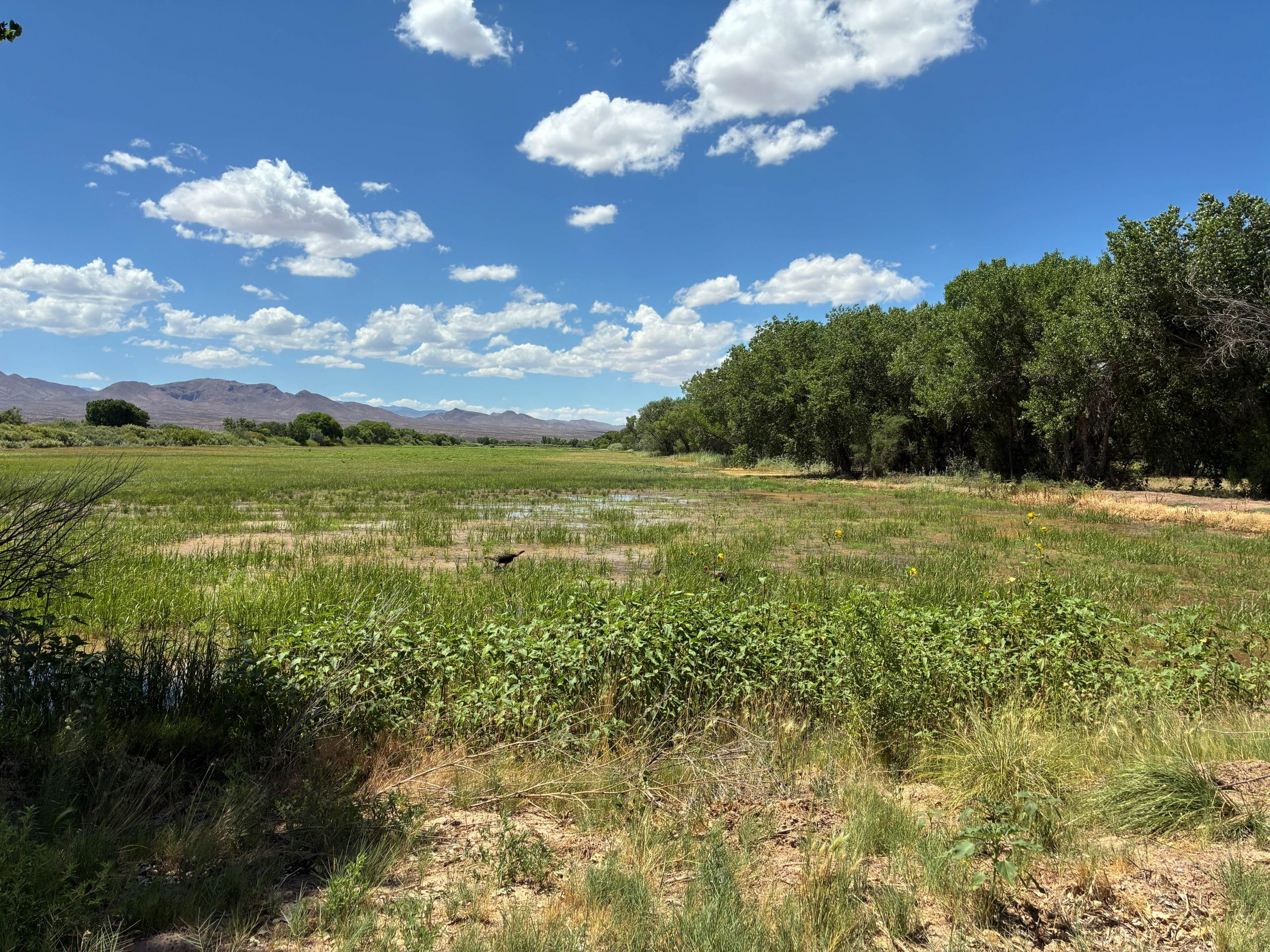
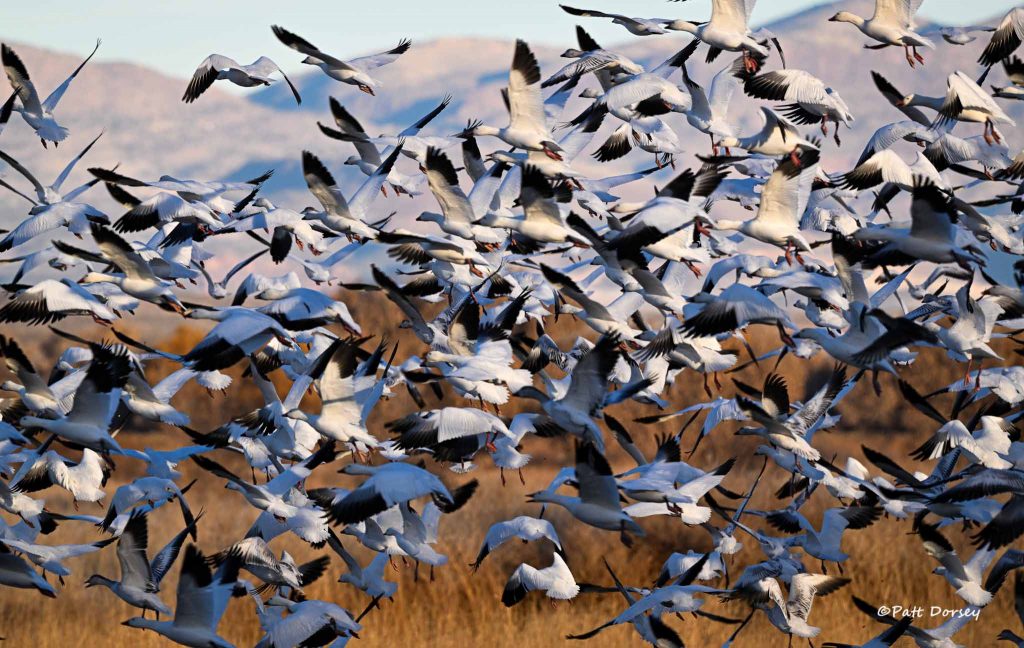
Established in 1939 as a sanctuary for migratory birds, the Bosque del Apache National Wildlife Refuge provides one of the highest concentrations of bird species diversity in the United States. And while birders from across the country flock to the refuge to obtain their "lifers," the over 50,000-acre refuge that is administered by the U.S. Fish and Wildlife Service offers a range of recreational opportunities, including hunting and fishing. The refuge has even hosted an annual youth turkey hunt over the years. However, the youth turkey hunt has been put on pause due to recent declines of the refuge’s turkey population.
Fed by the Rio Grande, the refuge is comprised of a network of canals and seasonal marshes that can be controlled artificially. Water control structures were installed in the 1980s and 90s to manage these waterways and wetlands. However, the lifespan of these control structures is approximately 25 years, and the structures are subsequently beginning to fail.
The NWTF-funded project — set to take place later this year — will replace numerous failing water control structures that service 530 acres of vital wetland habitat across nine management units at Bosque del Apache National Wildlife Refuge.
The updated features will allow the refuge to more effectively manage invasive plant species and efficiently distribute water to support moist-soil and wetland habitats.
“We have had this project in mind for a while now, so we’re very excited to be awarded the Waterways for Wildlife grant with NWTF,” said Claire Revekant, senior wildlife biologist at Bosque del Apache National Wildlife Refuge. “When we think about the drought conditions that the Southwest is facing, we as the refuge want to play a role in water conservation and step up to meet that need. If we can replace our corroded water control structures and improve the delivery of water into our moist-soil units and other areas on the refuge, then we’re not only aiding in water conservation, but we’re also improving our management capabilities for the wildlife that we manage here on the refuge. Bosque del Apache is a really special place, one of the few desert wetlands here in the Middle Rio Grande Valley. We are a pearl in a string of pearls for migratory birds, serving as an important wintering, breeding and stopover site throughout the year.”
The project is a collaborative effort between the Bosque del Apache NWR, the NWTF's Waterways for Wildlife Initiative and Friends of the Bosque del Apache, a non-profit organization that provides a wide range of support to the refuge.
And while the project is set to benefit threatened and endangered species — like the New Mexico meadow jumping mouse (critically endangered), the southwestern willow flycatcher (endangered) and yellow-billed cuckoo (threatened) — a wide range of species are set to benefit from the conservation efforts, including the wild turkey, northern pintail, waterfowl, sandhill crane, mule deer, elk, javelina, bobcat, mountain lion and bear, to name a few.
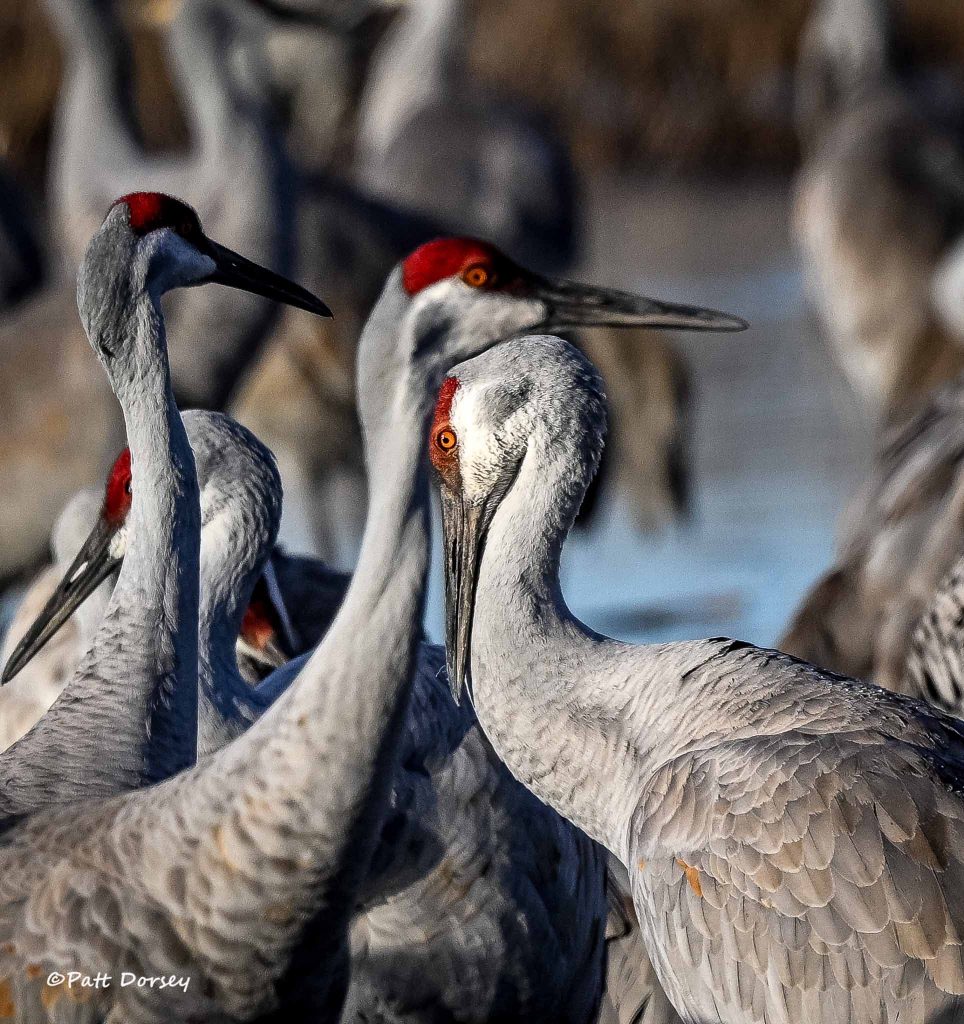
"At Bosque del Apache, water is one of the most important habitat management tools we have," said Chuck Carpenter, NWTF district biologist. "Reliable water control structures allow refuge managers to move water where it's needed, creating productive wetlands that support the insects turkey poults depend on during their first few weeks of life. Just as importantly, they give managers the ability to rotate units between wet and dry conditions, much like we use prescribed fire in upland habitats. That rotation helps suppress invasive species, promotes diverse native vegetation and creates the mix of nesting and brood-rearing cover that benefits wild turkeys while also supporting the incredible diversity of waterfowl, shorebirds, cranes and other wildlife the refuge is known for."
The project is emblematic of the NWTF's Waterways for Wildlife Initiative, having a direct benefit to the wild turkey but overlapping to conserve vital waterways and the thousands of species that depend upon them.
Between completed, ongoing and scheduled projects, the NWTF's Waterways for Wildlife Initiative is impacting 279.6 stream miles and 49,979 acres of riparian habitat. This was made possible by the NWTF's $966,500 contribution since 2022, which has been leveraged to $31,958,532 in contributing partner funds. Like the 78 other NWTF Waterways for Wildlife projects, work at the Bosque del Apache is restoring the habitat conditions needed to support healthy turkey populations while enhancing the overall ecosystem and public recreation, and in this instance, hopefully one day bringing young hunters back to the refuge for a tradition many families have come to cherish.