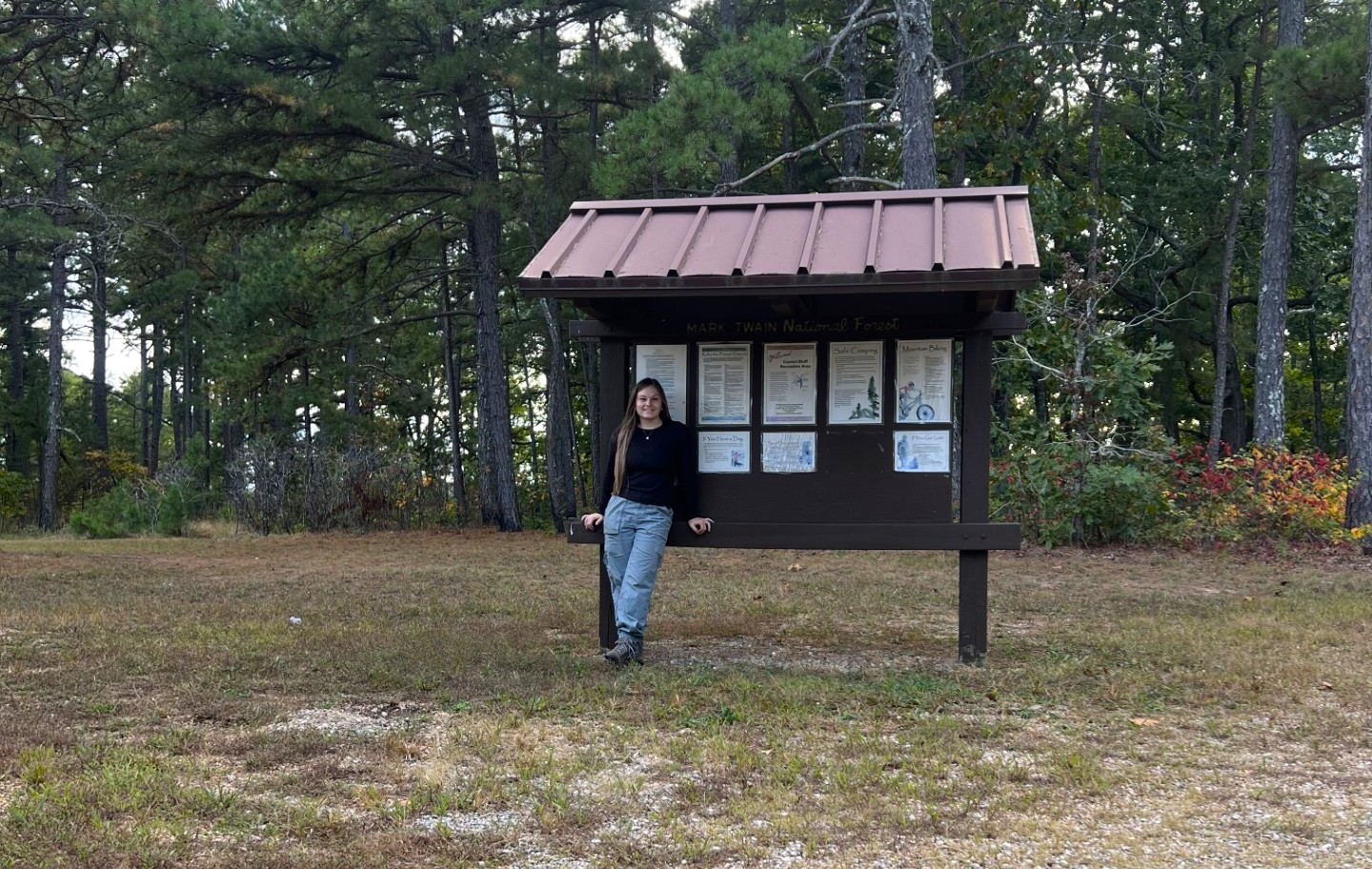
Full Circle Conservation: From Backroads to the NWTF
Growing up outside of Potosi, Missouri, there was no shortage of backroads to explore. Along those winding gravel roads, an ordinary field was just another part of the scenery, never something I thought twice about. Little did I know, places like those could hold a much bigger conservation story. In fact, if you knew the right turns, you could make it all the way to Council Bluff Lake without ever passing through town.
And trust me, we knew the backroads.
Around Potosi, cruising gravel roads, hopping on side-by-sides or four wheelers and joining organized trail rides were practically a way of life. Places like Palmer, as us locals call it, a network of gravel roads way out in the boonies and the winding roads through Mark Twain National Forest weren't just destinations. They were where we made memories and friends.
In our teens and 20s, we spent evenings gathered around campsites and campfires, riding around with friends and finding just about any excuse to be outside. Those same familiar stretches of the Missouri Ozarks followed me into adulthood.
Back then, I wasn't thinking about wildlife habitat management, invasive species or conservation partnerships. I was more concerned about memorizing where the next backroad would take us.
Fast-forward to 2026, and I found myself working as a storyteller for the National Wild Turkey Federation, covering conservation projects across eight Midwestern states.
Imagine my surprise when I discovered one of those projects was practically in my backyard.
Not just somewhere in Washington County, either. Right there at Council Bluff Recreation Area, where I'd spent years exploring and driving around.
Located within the Potosi Ranger District of Mark Twain National Forest, Enough Fields is part of a landscape familiar to generations of outdoor enthusiasts.
The surrounding Council Bluff Recreation Area is home to a 440-acre lake, hiking trails, camping and plenty of opportunities to enjoy the outdoors. But tucked among the towering trees is a conservation project visitors might not even know exists.
Through the Old Hickory Stewardship Partnership Agreement, the NWTF and USDA Forest Service have worked together to improve wildlife habitat in the Enough Fields area.
In July 2025, crews completed brush mastication, a process that uses specialized equipment to grind up and remove woody vegetation that had begun taking over the aging fields.
Why does that matter?
Without regular management, open fields gradually become crowded with brush and young trees. While forests are important, wild turkeys also need open areas with a healthy mix of native grasses and plants, particularly when raising young.
Following the mastication work, crews conducted several spot-herbicide treatments to target sericea lespedeza, an invasive plant that can spread aggressively and crowd out native vegetation.
Together, these treatments helped transform the aging fields into higher-quality brood-rearing habitat.
For newly hatched wild turkey poults, those open spaces are especially important. Young birds depend on insects for food, and a diverse mix of low-growing plants provides opportunities to forage while still offering protection from predators.
The result is more than a freshly cleared field. It's a healthier piece of the landscape, with benefits extending beyond wild turkeys to other wildlife that relies on diverse habitats.
And here's the kicker: To someone passing by, it might just look like a field.
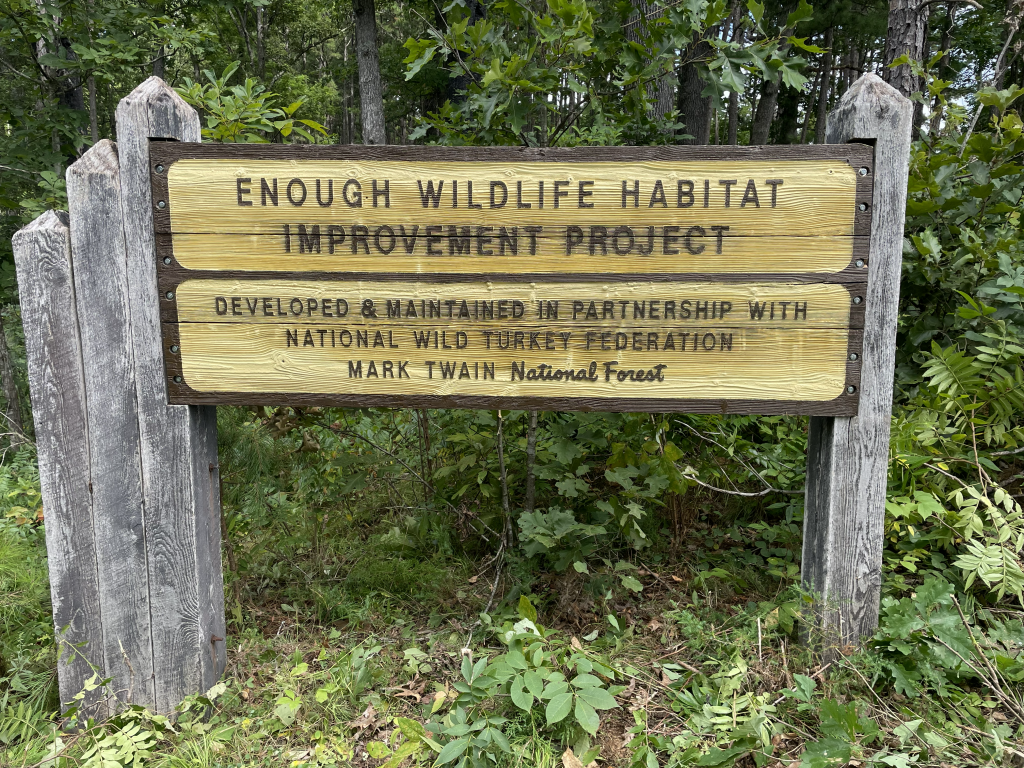
When I started working for the NWTF in March 2026, I knew the organization was making a difference across the country. I'd seen the stories, learned about the partnerships and started getting familiar with the conservation projects happening throughout the Midwest.
But I hadn't fully realized how close to home that work could be.
The Enough Fields project had received habitat treatments just months before I started at the NWTF. While I was busy learning about conservation efforts hundreds of miles away, the NWTF was already helping improve a place I'd known since I was small.
That's what makes this project stand out to me.
When most people think of the National Wild Turkey Federation, they might picture a national conservation organization, its annual convention, hunting heritage programs or big habitat projects spanning thousands of acres.
And they're right. The NWTF does all of those things.
But its impact isn't limited to the big projects or places that make stand out headlines.
Sometimes it's a field tucked into a national forest outside a small Missouri town. Sometimes it's controlling an invasive plant that most people wouldn't recognize or work that goes completely unnoticed by the people enjoying the land around it.
The NWTF and its partners are making those improvements across the country, often in places that mean something special to the surrounding communities.
You don't have to travel across the country to see conservation in action. Sometimes you just have to take a familiar backroad and know where to look.
Recently, I went back out to Council Bluff and spent some time exploring the area again, hiking around in the fall foliage and crunchy leaves.
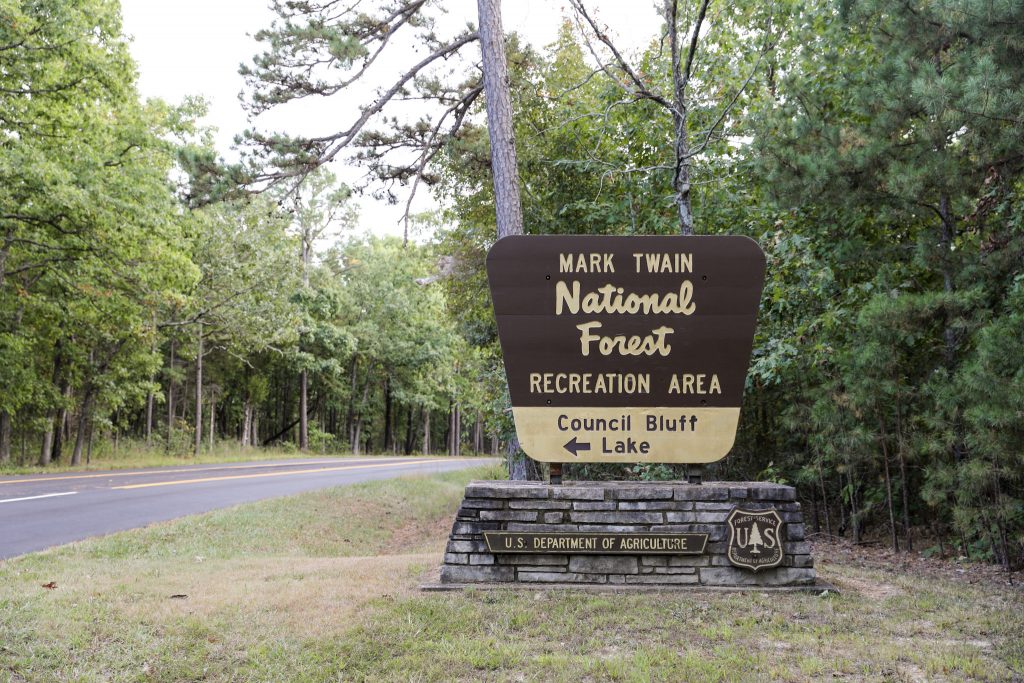
It was funny being back in a place I'd visited so many times, only now knowing a little more about what was happening beyond the scenery.
The roads were familiar. The towering pines were familiar, the old bait store on the corner was still there — it still felt like the same little nostalgic corner of Missouri where I'd spent so much time.
As a kid, the forest was an adventure. As a teenager, it was a place to spend time with friends. As a young adult, it remains a familiar place to get out and explore — no map necessary.
Now, with a deeper perspective, I understand that keeping these places healthy takes a lot more than simply leaving them alone.
It takes biologists, land managers, equipment operators, conservation organizations, volunteers and partners working together, often long before the public sees the results.
There are countless places people drive past, hike through or visit every year without realizing how much effort goes into caring for them.
I was one of those people.
For years, I rode those backroads without knowing the conservation story that keeps these places open to the public. Now, I get to help tell it.
And while I may spend much of my time covering projects across the Midwest, it's pretty special knowing that some of the work I'm helping share is happening right here in my hometown.
Do you know what work is happening in your backyard?