Full Circle Conservation: Wisconsin NWTF Continues Leopold’s Legacy
Few names are as closely tied to wildlife conservation as Aldo Leopold.
Often regarded as the father of modern wildlife management, Leopold's ideas helped shape the way generations of conservationists think about stewardship, habitat restoration and the relationship between people and the land. His writings, particularly A Sand County Almanac, continue to influence conservation nearly 80 years after their publication.
"Conservation is a state of harmony between men and land," Leopold wrote, a philosophy that remains at the heart of habitat work being carried out across his home state of Wisconsin today.
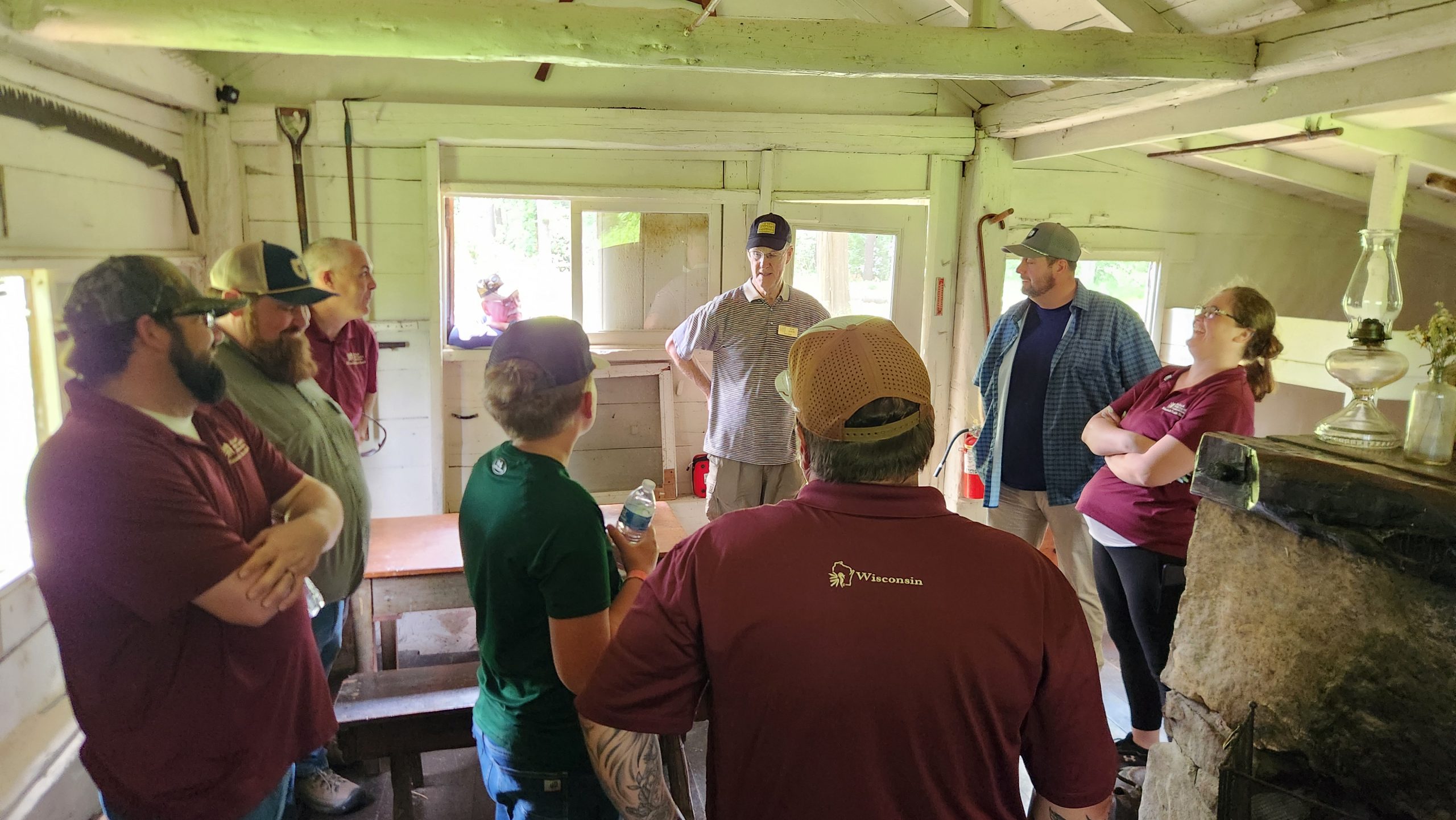
That legacy was front and center during the Wisconsin NWTF State Chapter Board meeting, held at the Aldo Leopold Legacy Center near Baraboo, Wisconsin. Following the meeting, board members toured the nearby historic Aldo Leopold Shack and Farm and viewed habitat projects supported through NWTF's Hunting Heritage Super Fund on the property.
For Wisconsin NWTF volunteers, the experience served as a reminder that conservation is built on the work of those who came before us and strengthened by those willing to carry that mission forward.
The connection between Leopold's vision and the NWTF mission was evident as board members approved funding for projects that support the organization's Roots to Roost Initiative. Focused on conserving and enhancing habitat throughout the wild turkey's life cycle, Roots to Roost promotes active forest management, healthy native plant communities and quality hunting opportunities. The habitat enhancement and public access investments approved by the Wisconsin NWTF State Chapter directly support those goals while benefiting a wide range of wildlife species.
Among the projects receiving support was for prescribed fire equipment, a tool that plays a critical role in restoring and maintaining healthy habitats across Wisconsin. Prescribed fire helps stimulate native plant growth, improves brood-rearing habitat for wild turkeys and creates diverse landscapes that support wildlife.
The board also allocated funding to the Wisconsin Department of Natural Resources' Voluntary Public Access Program, which is an initiative that provides financial incentives to private landowners who open their property to the public for hunting, fishing, trapping and wildlife observation.
Together, these investments reflect many of the same conservation principles Leopold championed throughout his life. He believed healthy wildlife populations depended on healthy habitats and that responsible stewardship required active management of the land.
Standing at the shack where Leopold wrote many of the essays that would become A Sand County Almanac, it is difficult not to recognize the significance of that connection. The same landscape that inspired one of conservation's most influential voices remains a place where habitat work is being planned, funded and implemented.
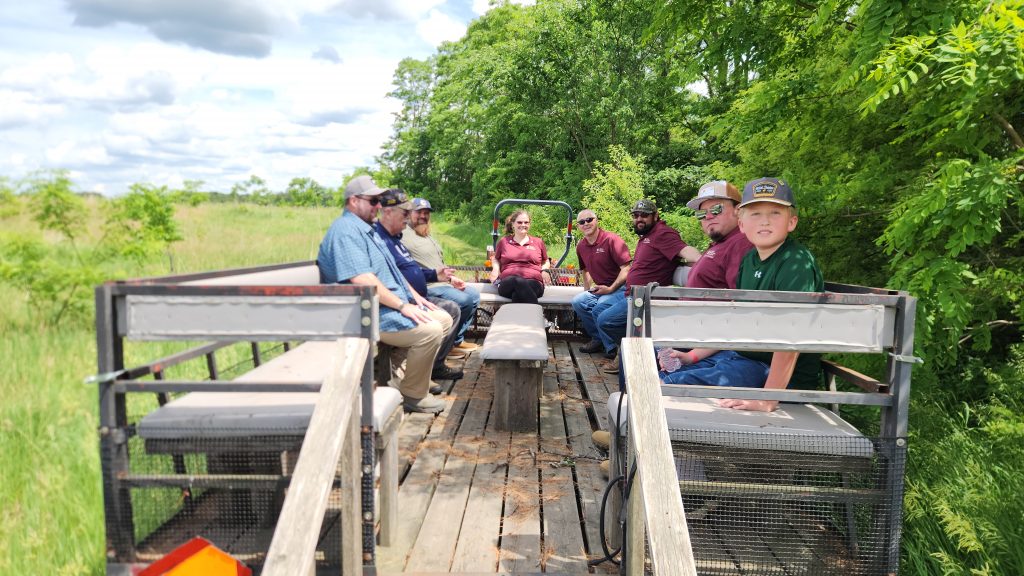
“Holding our June NWTF-WI Board meeting at The Aldo Leopold Foundation was inspiring and motivating,” said Brian Dalsing, Wisconsin NWTF State Chapter secretary. “Touring the Shack and seeing the Leopold pines in person was a bonding experience for the Wisconsin Board of Directors and staff. It was also a great opportunity for us to see some of our super fund project work that had been completed.”
Nearly a century after Leopold began sharing his vision for a land ethic, Wisconsin NWTF volunteers are helping ensure that vision continues to take root across the landscape. Through investments in habitat management, public access and conservation partnerships, they are carrying forward a legacy that continues to benefit wild turkeys and all wildlife in Wisconsin.