Giving Back to the Resource
Hunters have a great chance to leave the landscape better than they found it. And doing that feels good.
We have it pretty good in the natural resources arena. Species that were exploited almost to the point of extinction as the country was settled are mostly restored and abundant. Deer, elk, turkey, pronghorn and duck populations wax and wane but remain plentiful.
That comeback didn’t just happen. We are the beneficiaries of conservationists before us, including those who cared enough to do some good and leave a positive legacy; folks with the foresight to set aside land for wildlife restoration and management, and people who spent days in blinds in sometimes harsh conditions — not to shoot something, but to capture animals for stocking elsewhere. What a noble thought: To leave something better than what they found. Let’s endorse that today and renew our commitment. Be a giver, not a taker. No whining. No saying, “I deserve … ”
Here are some suggestions on how to do that. When you do, you can accomplish some good while benefitting immensely from that.
Your Behavior
Hunting seasons and bag limits are established to allow some take but protect species for the future. Go by the rules. No cheating. No slob hunters. Be a positive model for young hunters. And don’t hunt with those who abuse harvest rules.
Take hunting to another selective level, if appropriate. In many wildlife populations, there’s a surplus of males. Females get whacked while nesting. With mallards, shoot greenheads, and so forth. If you’re dealing with a suppressed turkey population, hunt after the hens have been bred. Or give them a complete break. I have a 40-acre tract in Louisiana, where this year we had only three hens and one gobbler on camera. We didn’t hunt the old boy. I hope he did his breeding. Seeing some poults would be far more rewarding to my son, John, and me than leaving him flopping.
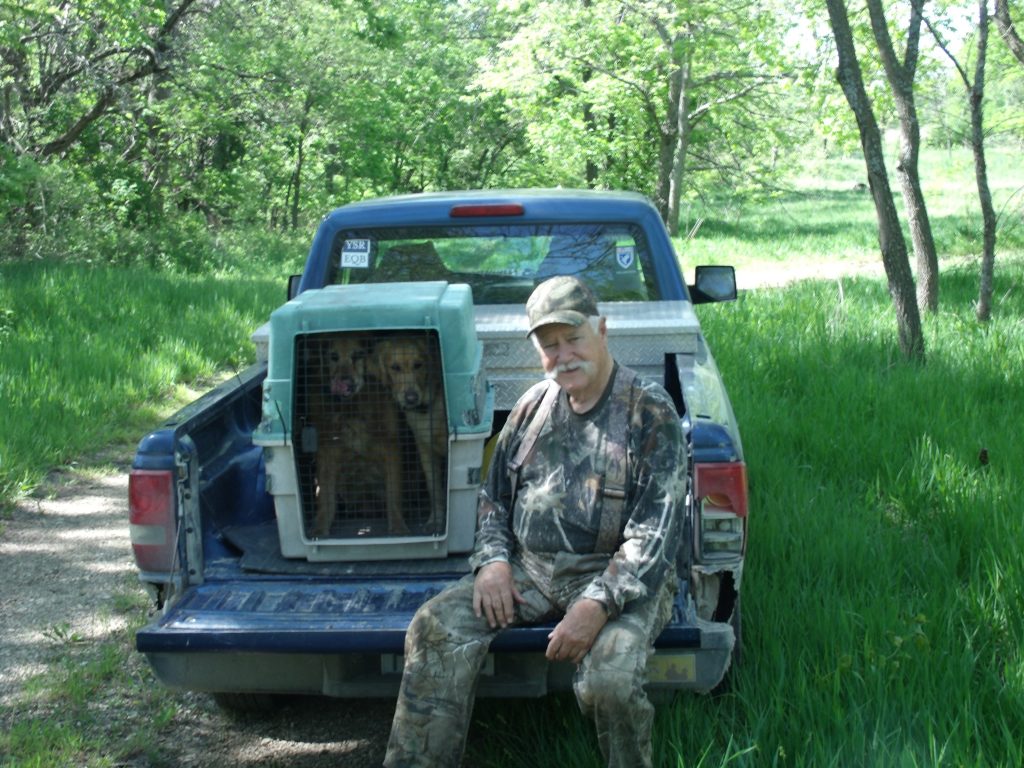
Make every effort to recover every animal shot. Sometimes, mortally shot birds don’t exhibit obvious symptoms of being hit. Or wounded birds might only show subtle symptoms. Be diligent in recovering any birds hit. A retriever is helpful. I hunt with Boykin spaniels. Some might not be the best at blind retrieves or handling, but they’re good at tracking and retrieving dead or wounded birds. I get a lot of satisfaction from their work. My duck stories are not about what I shot but about the dogs’ work.
A Prime Example
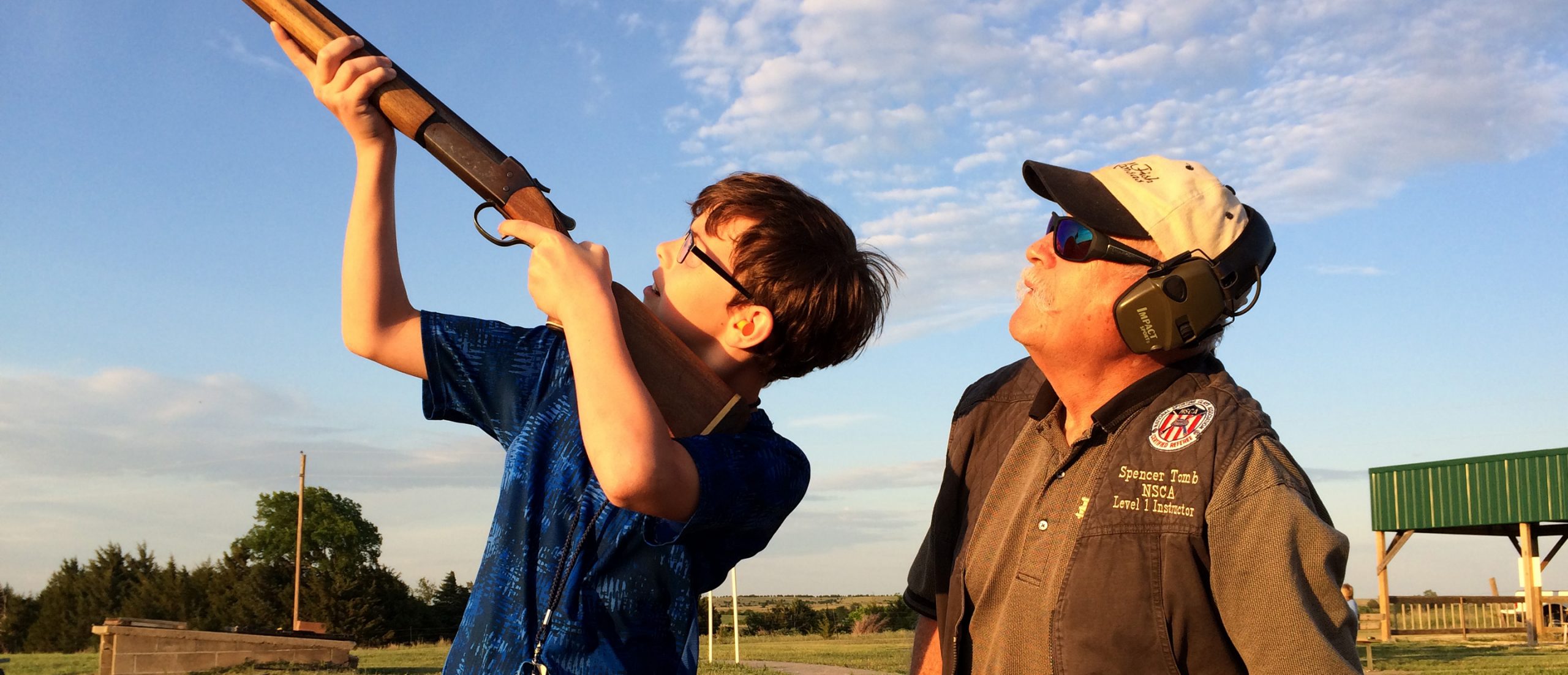
Leadership supporting conservation of natural resources is important. Nature and wildlife need champions to thrive. Certainly, mentoring new hunters is paramount. And that brings me to a big salute to a longtime friend from my undergraduate days at Sewanee: Dr. Spencer Tomb. When queried about the concept of giving, he said, “Many hunters grow into givers. It was a natural process for me. I was interested in conservation, and teaching was my calling.”
He’s on a mission to make things better. Tomb has relentlessly promoted wildlife conservation. He has been a long-term wildlife advocate as a lobbyist in the Kansas legislature and a volunteer with the Kansas Wildlife Federation. And that was as a volunteer. Professionally, he educated many biology students for decades as a professor at Kansas State University. He retired from that role but remains active with his conservation agenda.
He has a long history of introducing neophytes, including women, youths and others, to shooting and hunting. He sacrifices his personal hunting to mentor others. When I ask about his hunts, he usually relates how he helped someone learn how to shoot or turkey hunt. Tomb has taught shooting and hunting with several agencies and programs, including Pheasants Forever, the Kansas Wildlife Federation, the Kansas State University Extension, the Kansas Game and Fish Commission and NWTF’s Women in the Outdoors. Many of those he taught have gone on to mentor others in shooting and hunting introduction programs. For example, Melinda Duff, an early student, has become an accomplished shooter and hunter and now mentors others.
A heartfelt thank you, Dr. Tomb. Our world is better because of your efforts. You are a giver.
A special thanks is also due to friends Stuart and John Collier for the use of their land. Many young hunters have learned about the sport at their property.
Personal Stewardship
In my modest way, I have also tried to be a giver. I served on the NWTF Board of Directors for decades and was president. I retired as scientist emeritus, USDA Forest Service, from a career as a wildlife research biologist, and went back to Louisiana Tech University to give back to students something that had been rewarding to me. I continue writing.
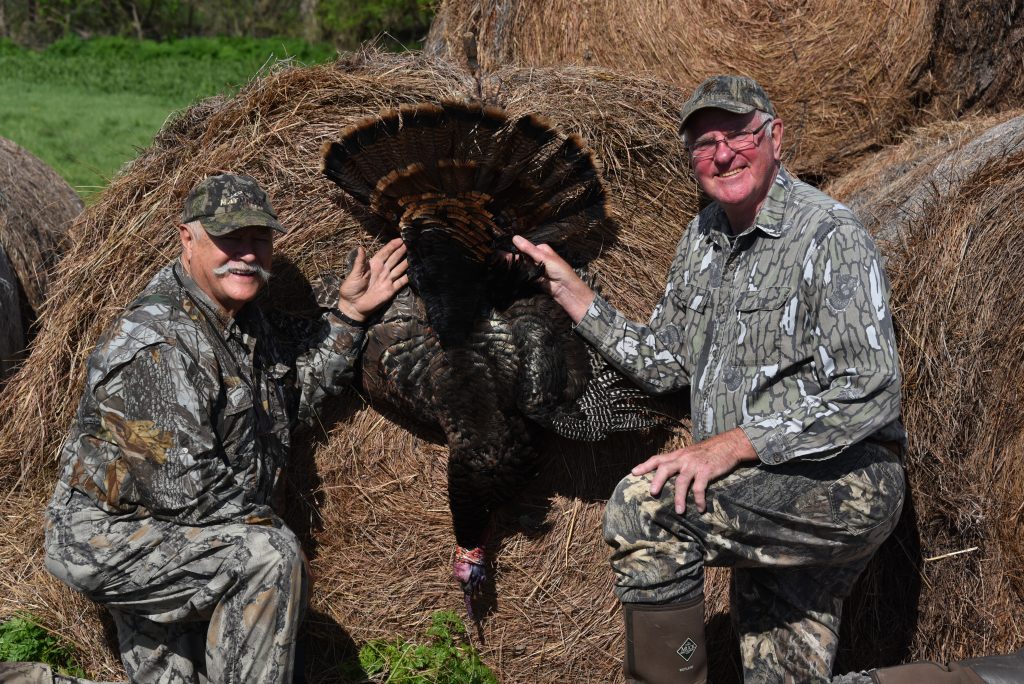
Along the way, I’ve contributed regularly to my retirement accounts. Now I have to take out required minimum distributions from traditional retirement accounts annually. This year, I will donate proceeds from one of my accounts to the NWTF, dedicated to turkey research. I believe the NWTF does a laudable job of supporting research to develop information to manage a precious resource, and I want to help. If the distributions go directly to a nonprofit organization, there are no federal taxes, so all proceeds go to good causes. I believe firmly that the NWTF can do a far better job of allocating resources than most.
Give more, take less. It’s a simple concept for our great natural resources, but it does a world of good.