Habitat Improvements Taking Hold at Three Mile Lake WMA
Earlier this year, the Iowa NWTF State Chapter helped the Iowa Department of Natural Resources conduct various forest management practices within the Three Mile Lake Wildlife Management Area, where nearly 75 acres of oak-hickory woodland were improved for wild turkeys and other wildlife.
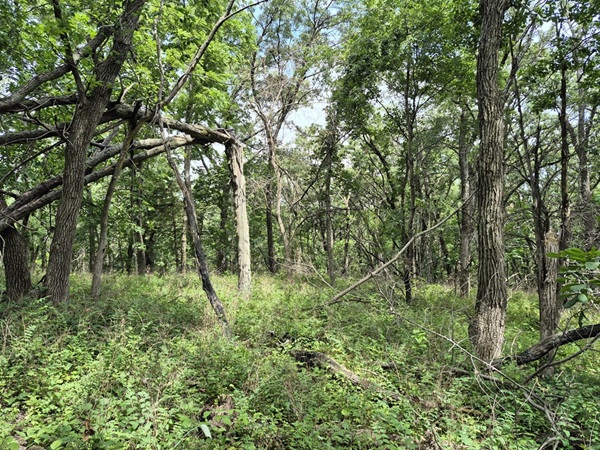
Now, several months later, the project is showing encouraging results.
Vegetation is responding across the treated woodland, and DNR staff have confirmed that turkeys are using the project area. The update offers an early look at how thinning, invasive species control and prescribed fire are working together to create healthier forest conditions.
“Things are looking good, and I can confirm turkey usage,” said Lindsey Barney, District 11 forester for the Iowa DNR. “I did startle up a few fawns, too.”
The latest update shows the woodland beginning to respond following multiple rounds of management.
The Iowa NWTF State Chapter invested $5,000 from its Hunting Heritage Super Fund to support work across multiple management units within the WMA. The NWTF’s Super Fund is a funding model through which volunteers raise money at banquets and other fundraisers and allocate a significant portion of those proceeds to impactful conservation, research and outreach projects at the state level and beyond.
For this project, funding from the Iowa NWTF State Chapter helped cover thinning and invasive shrub control in unit C-1, as well as a follow-up treatment in unit C-4.
Those units are part of a 74.8-acre complex made up of seven forest management units. The semi-open oak-hickory woodlands border grasslands and agricultural fields, and turkeys are commonly observed throughout the area. Maintained fire lanes also make the stands readily accessible to public hunters.
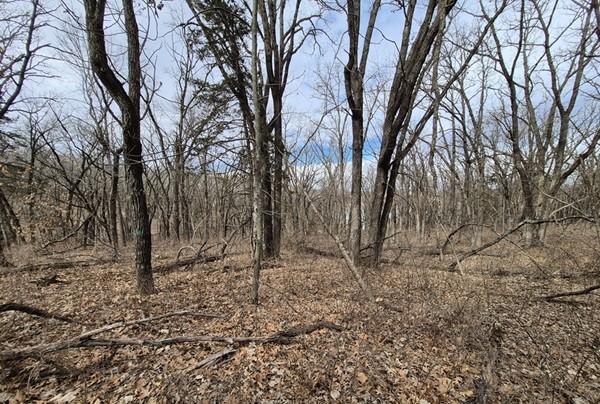
Management across the complex has taken place over several years, including crop tree release, basal area thinning, prescribed fire and invasive shrub removal, among others.
The combination of thinning, prescribed fire and invasive species control is helping sunlight reach the forest floor, where grasses, wildflowers and other native vegetation can respond. That growth supports insects used by young poults while creating open conditions where hens and broods can move and feed.
Reducing competition among trees can also improve the health of remaining oaks and hickories, supporting greater acorn production for turkeys and other wildlife.
The project was designed to move the woodland complex toward routine maintenance through periodic prescribed fire and invasive species control. While continued management will be needed, the returning understory and confirmed turkey activity show the work is already producing the intended habitat response.