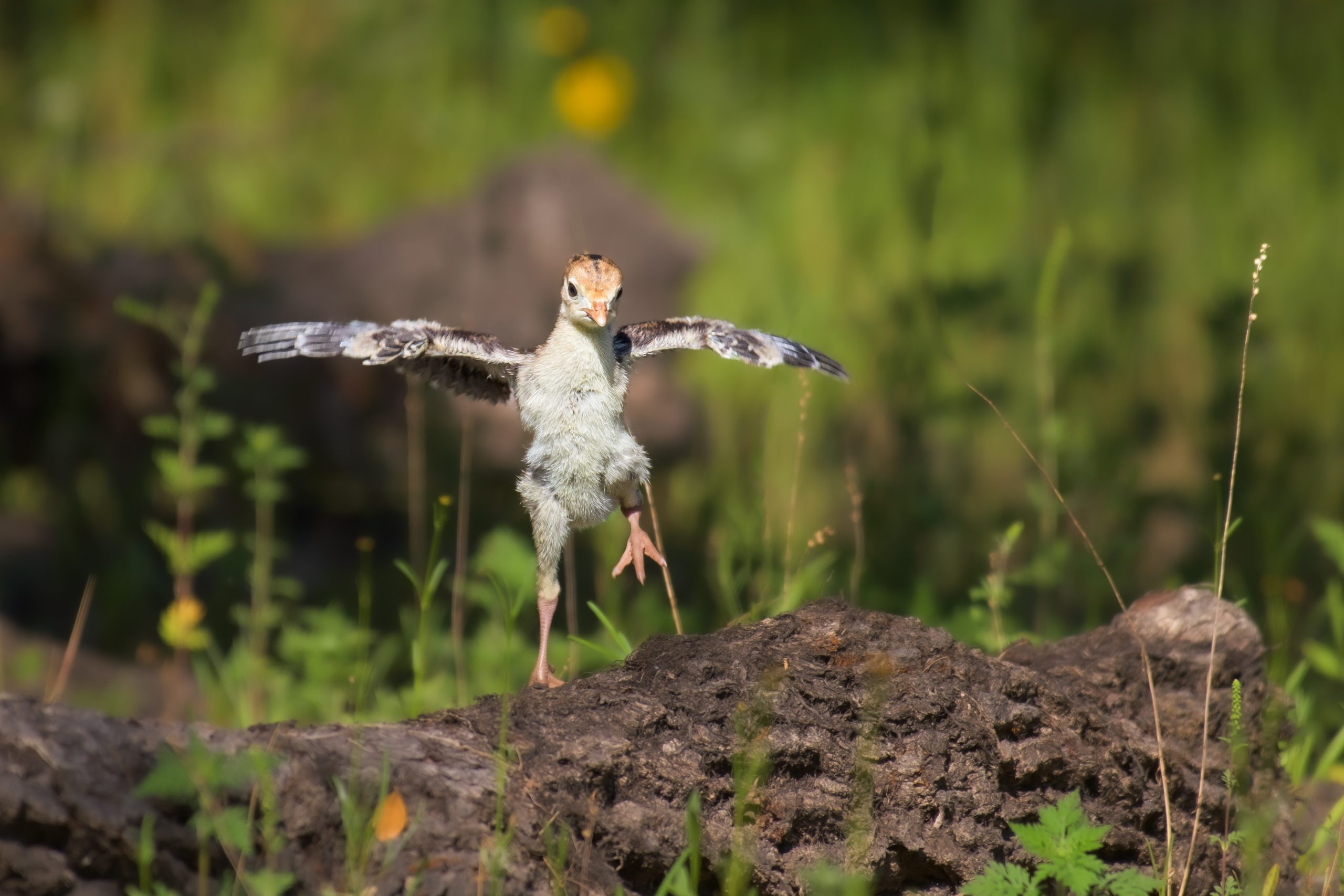
Hatching Healthy Habitats: NWTF’s Southeastern Habitat for the Hatch Initiative
Across the Southeast, wild turkey poult production and hunter harvest — metrics used to gauge population stability — have indicated a declining population in many areas.
From land-use changes to fragmented habitats and dynamic predator communities, multiple factors likely contribute to the decline to some degree. As research continues to provide more insight into these new challenges, one thing is sure: expanding the nesting and brood-rearing habitat that wild turkey hens need to recruit more poults into adulthood will help combat the decline. Enter NWTF's Habitat for the Hatch Initiative.
The NWTF launched the initiative in August 2023 to positively impact 1 million acres of critical nesting and brood-rearing habitat across public and private lands by 2033.
And in just two years, the results are taking flight.
Numbers to Date
Direct habitat acres improved: 150,895 acres
Acres influenced via burn teams and equipment support: 300,000-plus acres
Projects completed: over 300 individual projects
Why Brooding-Rearing Habitat Matters
Habitat loss has accelerated across much of the Southeast, driven by land-use changes, development and the decline of active forest management.
"Hens and poults already have a difficult time during the nesting and brood-rearing phase," said Derek Alkire, NWTF district biologist. "Lack of active forest management and disappearing habitat only makes it harder for the species. Habitat for the Hatch is designed to put more of the critical nesting and brood-rearing habitat on the ground so more poults can make it to adulthood."
That's why the initiative focuses directly on improving or creating habitat that meets the unique needs of nesting hens and their young.
Two Years In: Habitat on the Ground
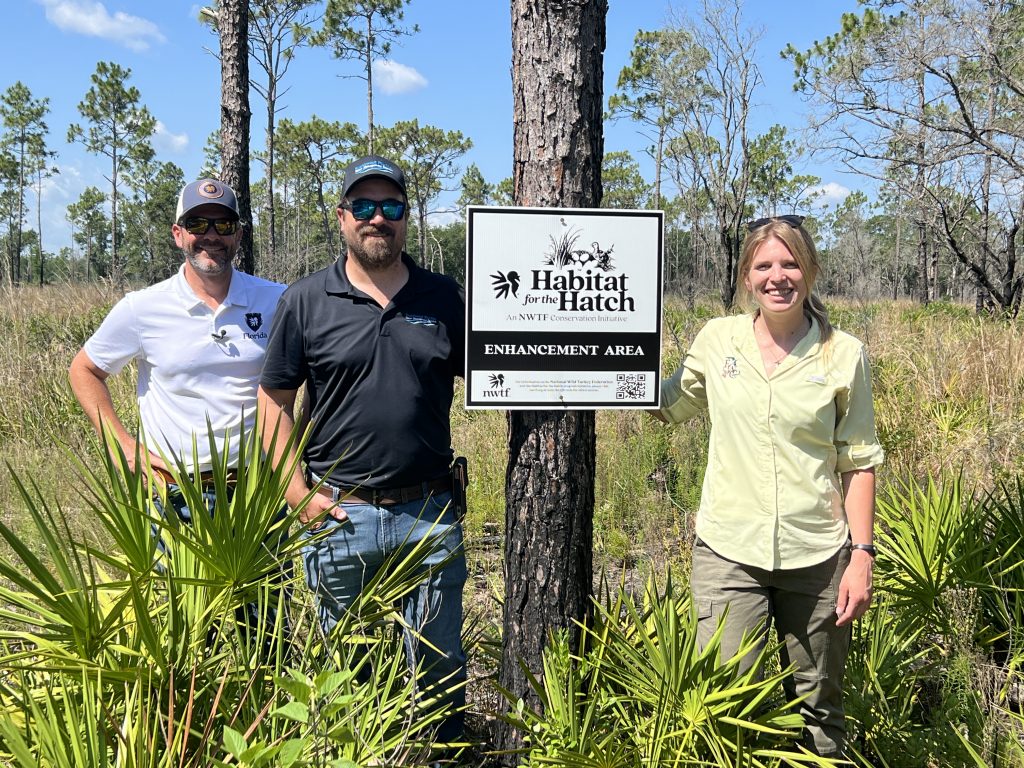
In the initiative's second year alone (September 2024 – August 2025), the NWTF and partners improved 76,132 acres of nesting and brood-rearing habitat across private and public lands. These acres came from more than 150 individual Southeastern projects that fulfill the essential requirements of hens and poults, including establishing native grasses and forbs that attract protein-rich insects needed by poults and provide concealment from predators.
An additional 224,071 acres were enhanced through NWTF chapter support for prescribed burn teams, a critical tool in managing forest structure and plant diversity. Additionally, NWTF chapter support of habitat equipment in southeastern states resulted in 115,611 acres of quality nesting and brood-rearing habitat. However, only acres directly managed or improved by NWTF efforts are counted toward the 1-million-acre Habitat for the Hatch goal.
Partnership Power
While a single goal unifies Habitat for the Hatch, the path to success varies across states and landscapes. Creative partnerships are fueling progress at every level.
For instance, longleaf pine forests — once spanning over 90 million acres in the Southeast — now occupy just 3% of their historic range. These fire-adapted ecosystems are crucial for the survival of wild turkeys. Working alongside the West-central Louisiana Ecosystem Partnership, NWTF's Habitat for the Hatch and our partners are delivering active forest management across public and private lands to restore and maintain longleaf pine habitat, which provides nesting cover, food and essential habitat for wild turkeys and other native species.
"A well-managed longleaf pine forest is about as good as it gets for wild turkeys," Alkire noted. "These forests offer a mix of open foraging areas and dense cover for protection — the ideal patchwork for brooding hens."
Our National Forestry Initiative with USDA-NRCS is providing a significant amount of assistance to private landowners through foresters that operate in specific areas. Those foresters working in the Habitat for the Hatch Initiative area worked with private landowners to positively impact over 30,500 acres of private land of habitat toward our initiative goal.
Similarly, in Florida, the Wild Turkey Cost Share Program empowers the Florida NWTF State Chapter and the Florida Wildlife Commission to fund habitat projects on public lands.
Since 1994, partners have invested more than $7 million in public land turkey habitat. The year’s plan included $2 million across 27 habitat projects. These projects have contributed considerably to the NWTF’s Habitat for the Hatch Initiative.
Smarter Habitat Work
At its core, Habitat for the Hatch is rooted in data and research.
For example, the Missouri NWTF State Chapter helped fund a Turkey Habitat Suitability Index Model. This cutting-edge, decision-making tool helps land managers target areas where habitat restoration will have the most significant impact on wild turkey populations.
In addition, ongoing research funded by NWTF is examining the diet composition of hens and poults, habitat preferences during nesting and brooding, the impact of feeding and habitat quality on recruitment and the development of additional habitat suitability models. These projects are sharpening NWTF's strategies and ensuring every acre improves and yields the highest benefit.
What's Next for Habitat for the Hatch?
With eight years remaining, NWTF is scaling up the initiative, expanding partnerships and exploring new funding opportunities. The goal of reaching 1 million acres by 2033 is ambitious but achievable.
"As more private landowners, agencies and partners come to the table, the momentum grows," Alkire said. "Habitat for the Hatch is as much about the wild turkey as it is about healthy Southeastern ecosystems. We look forward to bringing more passionate conservationists together to create more habitat for the hatch.”