Head Games
What do those coloration changes in a turkey’s head really mean?
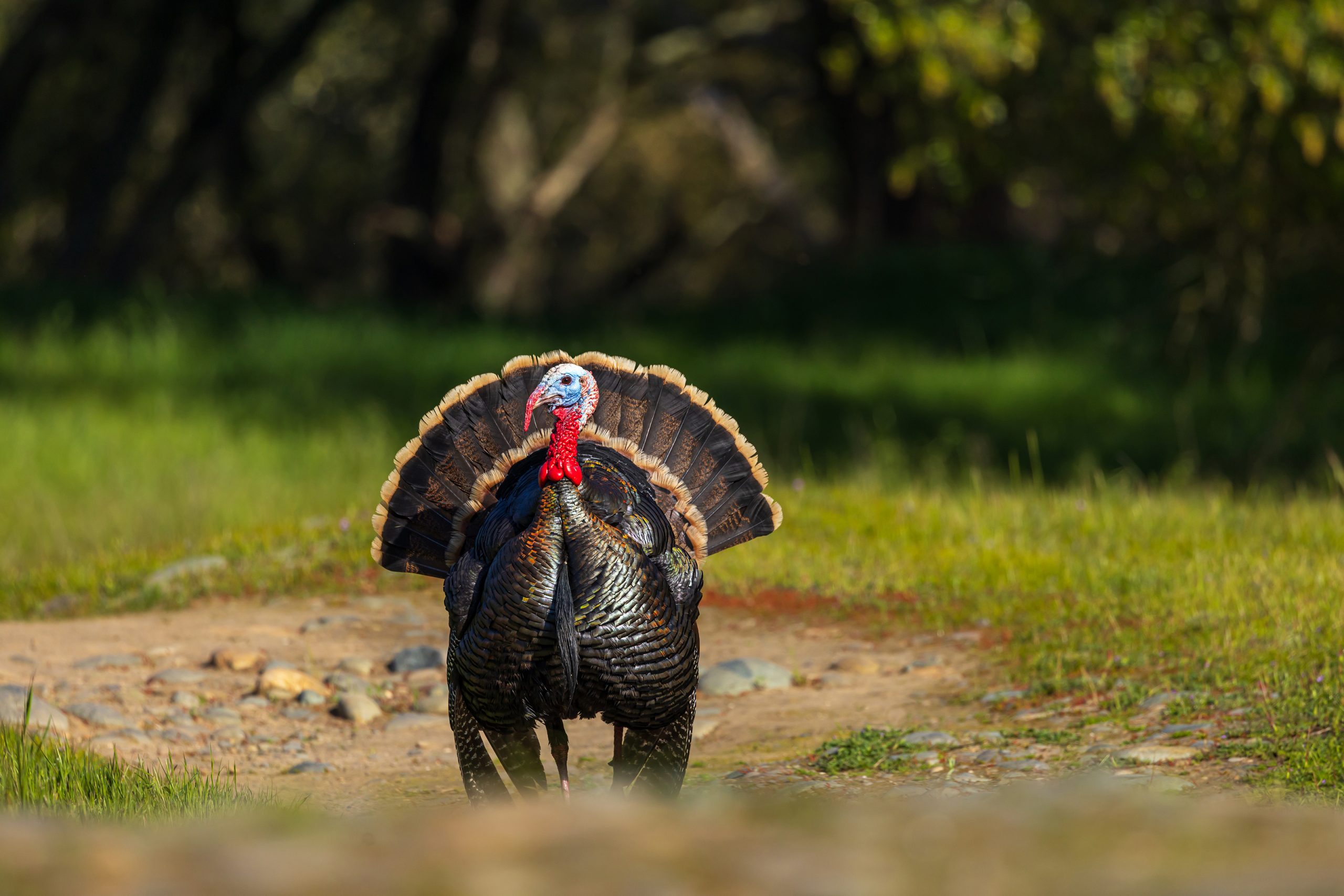
Last spring marked my 40th season of turkey hunting. The past 26 years have been spent making a living as a freelance writer and photographer. I’ve shot a lot of turkeys and observed and photographed thousands. When it comes to the coloration of a tom’s head and how that correlates to turkey hunting, I’ve seen just about every shade of red, white and blue.
A tom’s head can change color in an instant. Hypothesizing what the colors mean is something turkey hunters have grappled with for years. It’s capitalizing on the mood swings revealed during the moment a color shift occurs, wherein hunters can benefit. Head position and body posturing simultaneously reflect a tom’s mood. Interrupting these mood changes, even triggering them with calling and decoys, is what hunters should focus on.
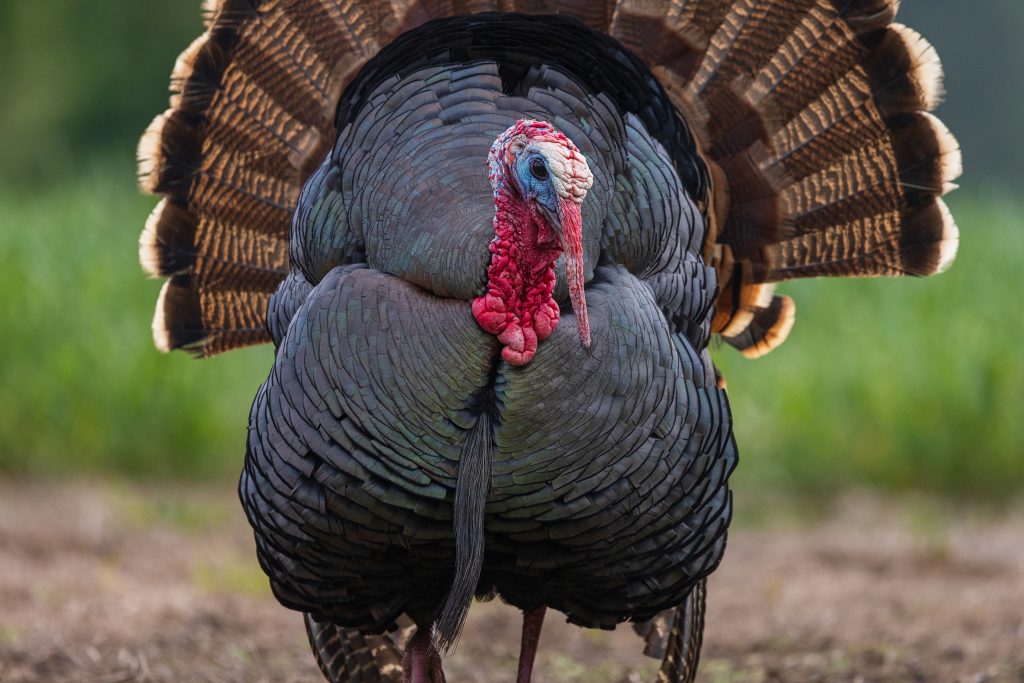
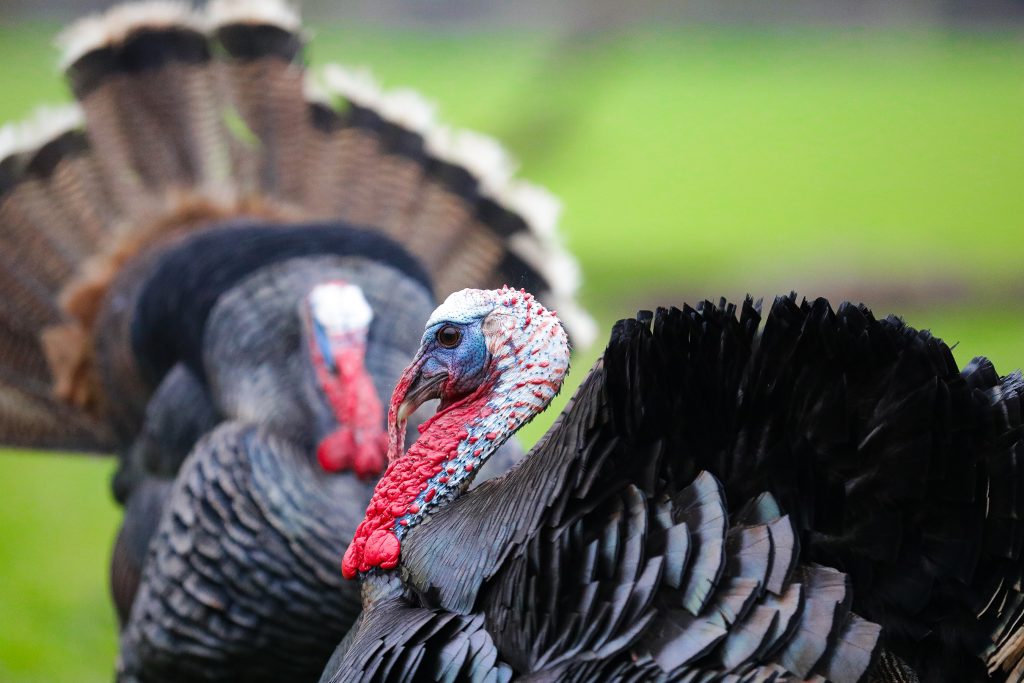
“If a white-headed tom comes in, I know we’re going to kill it,” confirms good friend and noted guide Jody Smith (jodysmithguideservice.com). Smith is a one-man show who’s been guiding turkey hunters since the mid-1980s. His clients filled 64 tags last spring. “A white-headed tom is confident and focused on a hen,” Smith adds. “They won’t back down but aren’t looking for a fight, either. They know what they hear, what they want, and go for it. Decoy or not, very few white-headed toms get away.”
When working a white-headed tom, I call little and often stick to one kind of call because these toms usually commit, as Smith said. Typically, straight yelps pull them in. As long as it keeps moving toward me and its head stays white, I’m confident it will close within range. If I’m using a decoy and the tom stops, I call. If in tall grass or amid dense timber and the tom stops, I’ll call less because it knows where the sound is coming from and often keeps searching on its own. But if it’s head starts turning red, I’ll call with the hopes of getting it to move in. Calling the instant there’s a color change is key. This is capitalizing on a mood swing.
Shifts in head coloration convey a mood. This mood can be triggered by hormones, the presence of other toms, hens or jakes. The cries of a raptor or raven, wind gusts, even thunder, can instantly cause a tom’s head color to change.
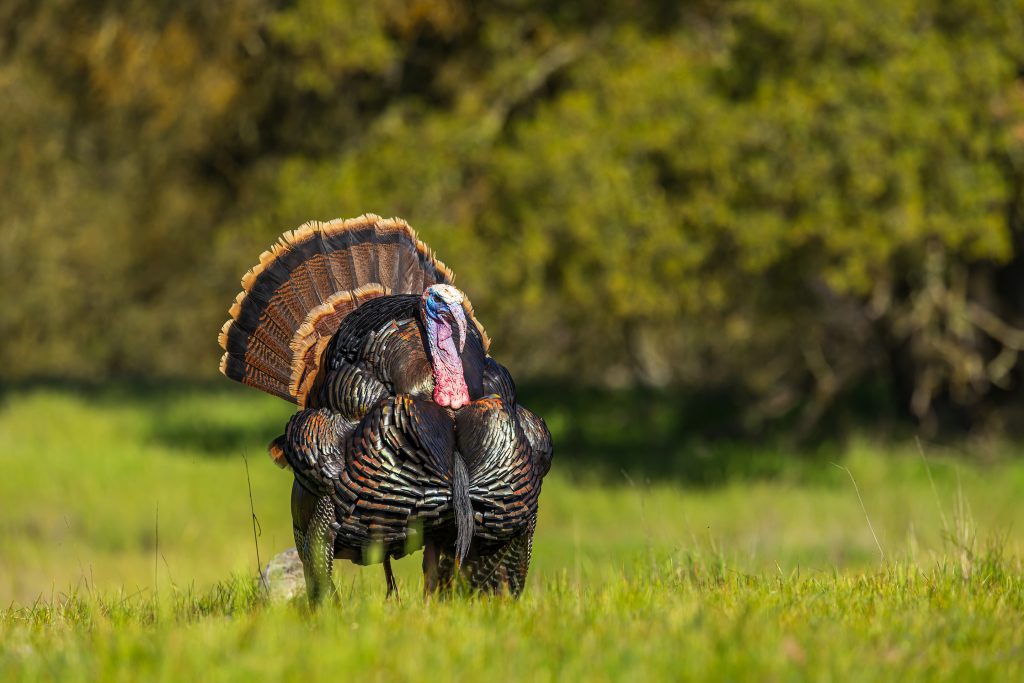
With changes in head color often comes a fluctuation in snood length. If a snood is long and hanging/relaxed, there’s a high probability of calling that confident tom in. Should head color switch to bright red and the snood instantly retract, you’re now dealing with a nervous, alert tom, perhaps even one looking for a fight. When a snood shrinks, I’ll offer calm yelps and purrs to try and calm the tom. If that doesn’t work, loud, pleading yelps often do the trick. Sometimes it takes switching calls to find what a tom will respond to. The goal is to calm down a nervous tom or fire it up to entice it to refocus on you, the hen.
A vast majority of the toms I’ve called in over the years have displayed red, white and blue heads. This coloration dominates just about every scenario a turkey hunter can imagine and is why I like having the option to alternate between diaphragm, box and slate calls in order to keep a tom working. Switching calls can even infuse a change in head color and force a mood swing. Sometimes these toms come in on a dead run. Sometimes it takes two hours to work them in. Sometimes they hang up at 75 yards and won’t budge. There are reasons for these ranges in behavior, many of which are situational and up to each hunter to figure out, on the spot.
Toms that approach a setup with a purple head are typically cautious. Nearly all of the purple-headed toms I’ve called in are in thick trees, tall ferns or brush, where visibility is restricted. These toms often come in silent, sometimes strutting, sometimes not. As they draw near, their heads may turn bright red signifying aggression. Or they may turn white, exuding feelings of confidence or being love struck. When there’s a color shift in the head I instantly call. If the head stays purple, I call just enough to keep the tom’s interest.
Compartmentalizing animal behavior isn’t bad, but it can be limiting, even misleading. The more time you spend afield, observing toms on your own, the more complete your understanding of them will become. Watch birds closely, draw your own conclusions and make your own decisions. That’s how you’ll take your understanding of turkeys and turkey hunting to the next level.