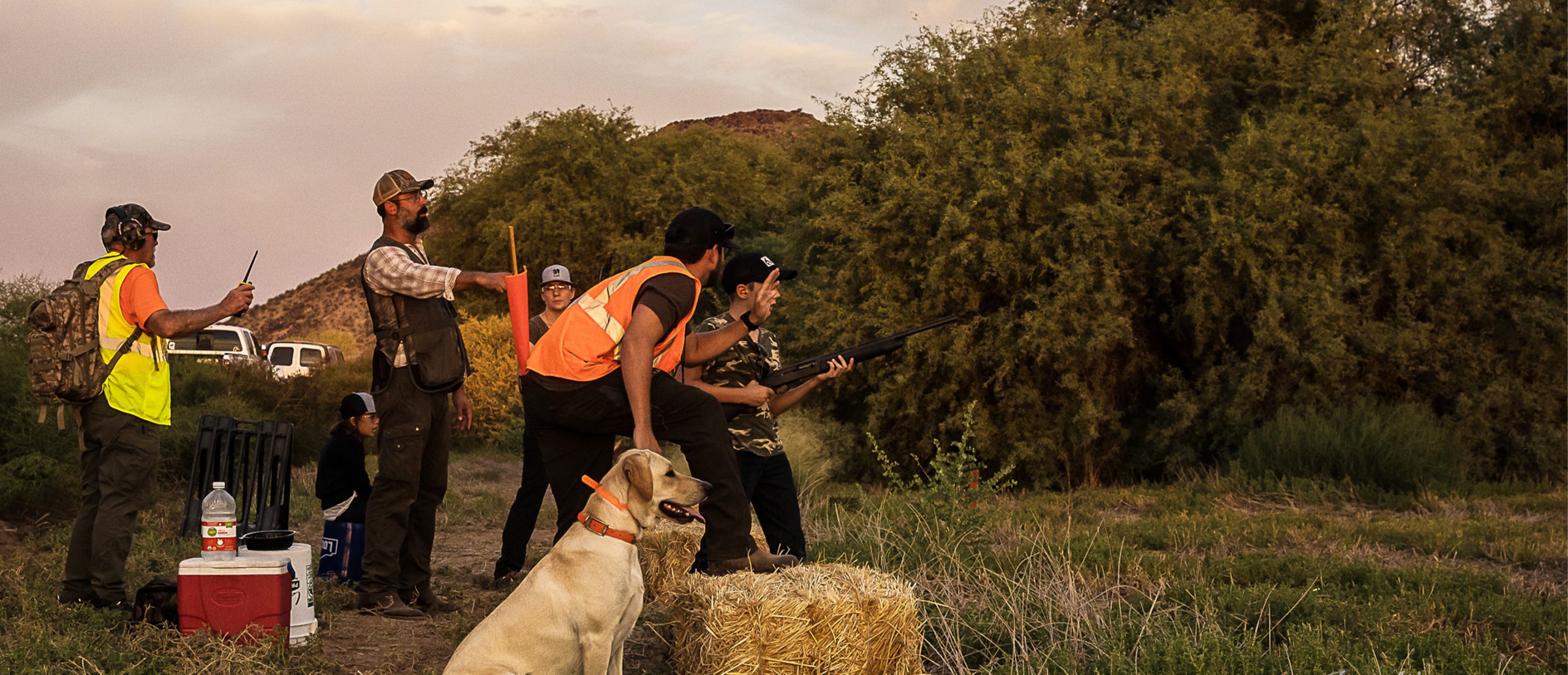
Hints For Hosting A Hunt
Chapter outreach events are the gateway to bringing in new blood for the future of our conservation and hunting heritage work.
As with many large organizations, NWTF volunteers are its heart and soul. To have thousands of chapters ready, willing and able to teach hunting skills — especially in these days of declining hunter numbers — is both heartening and perhaps a little intimidating. So, how do state Save the Hunt, Women in the Outdoors and R3 coordinators begin to tap this formidable resource?
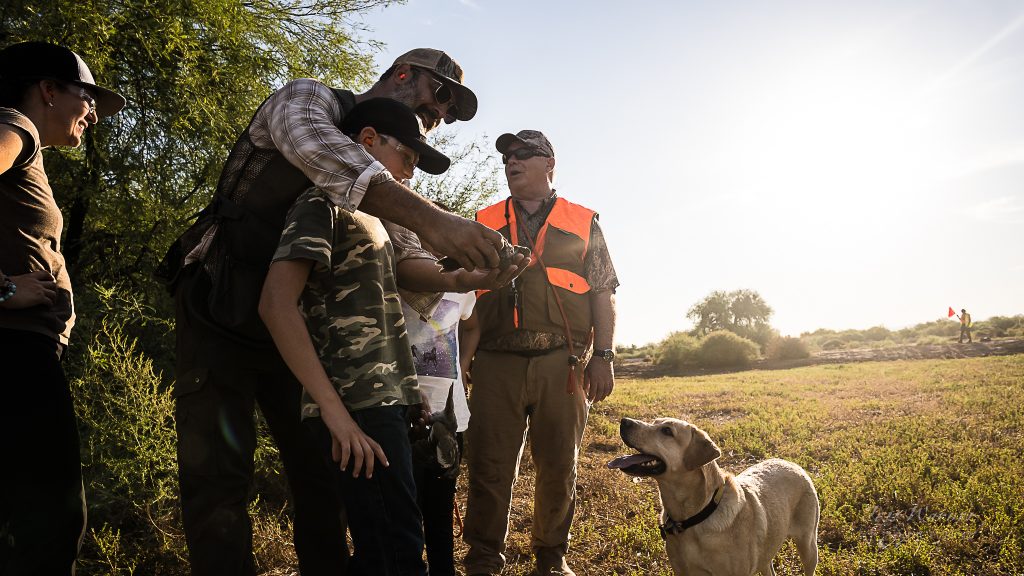
Start small. Just like the old saw about eating an elephant one bite at a time, working with new chapters should begin gradually. Consider limiting the number of participants to six or eight. This will help keep the process from being overwhelming and insure that everyone — mentors, mentees and anyone else helping out — has a quality experience. From there, larger, more complex hunts can be undertaken. However, if an initial attempt flounders because it’s just plain too much work, future events aren’t likely. Safety protocols are also easier to enforce in small groups.
Play to strengths. Not all hunts have to be turkey hunts. Maybe a given chapter lies in fantastic squirrel, dove or deer territory. Maybe a chapter member wants to thin the doe herd on his or her land, or has a private farmpond chock full of beefy bluegills. Go with the flow! It’s also best to allow individuals to mentor those with whom they are likely to have a connection (church, family, school), and to teach those skills at which they excel. If someone has a walk-in cooler and great butchering facilities, let them teach game cleaning. If you have a certified range instructor, consider having that person be the lead for range day. Ask a game specialist at your state agency to cover the biology portion of your class.
Allow plenty of time. There are lots of moving parts in planning a Learn to Hunt: agency paperwork, securing mentors, having your event insured through NWTF, meal planning, renting a facility or time at a local range. This is going to be tough to do if the clock is ticking loudly in the background. It’s best to pick a date that’s a year or so away. This reduces the stress considerably. Chapters might also ask coordinators what other chapters in their state have run similar events; work with that chapter in a mentoring capacity. It’s just like hunting a puppy with a seasoned gun dog: they learn from experience.

Try something new. Like any other activity, hosting events can start to feel like the same old thing, stuck in a rut. Maybe it’s time for a change. Perhaps this means adding a followup squirrel hunt to the chapter’s customary turkey hunt. Or maybe this means working with a new age group. A chapter accustomed to working with youth might, for example, enjoy the camaraderie of working with adults —enjoying a campfire and social time and a wild game meal. Really, the sky is the limit as far as new events that chapters can host: from landowner appreciation days to a shooting clinic, from a one-day program to an overnight camp, or pairing with a college chapter to holding a gear swap. Thanks to the wide variety of terrain and game species, hunts (and angling) can be for whatever species is most abundant: big game, small game, waterfowl, panfish, trout.
Remember (and thank) the mentors. “Mentors are likely to be your limiting factor,” said John Cler, Wisconsin’s Save the Hunt Coordinator and Scenic Hills Chapter president. What this means in practical terms is that event planning needs to start early and with a committed group. From there, others will sense the passion and commitment and consider joining in. Female mentors are particularly important with the growing number of women hunters. Checking with your local Women in the Outdoors chapter is a good starting point.
Find NWTF events near you by visiting our events page.