If These Calls Could Talk
Some vintage calls mark critical moments in call-making history. Others tell tales of great adventures. And a few do both.
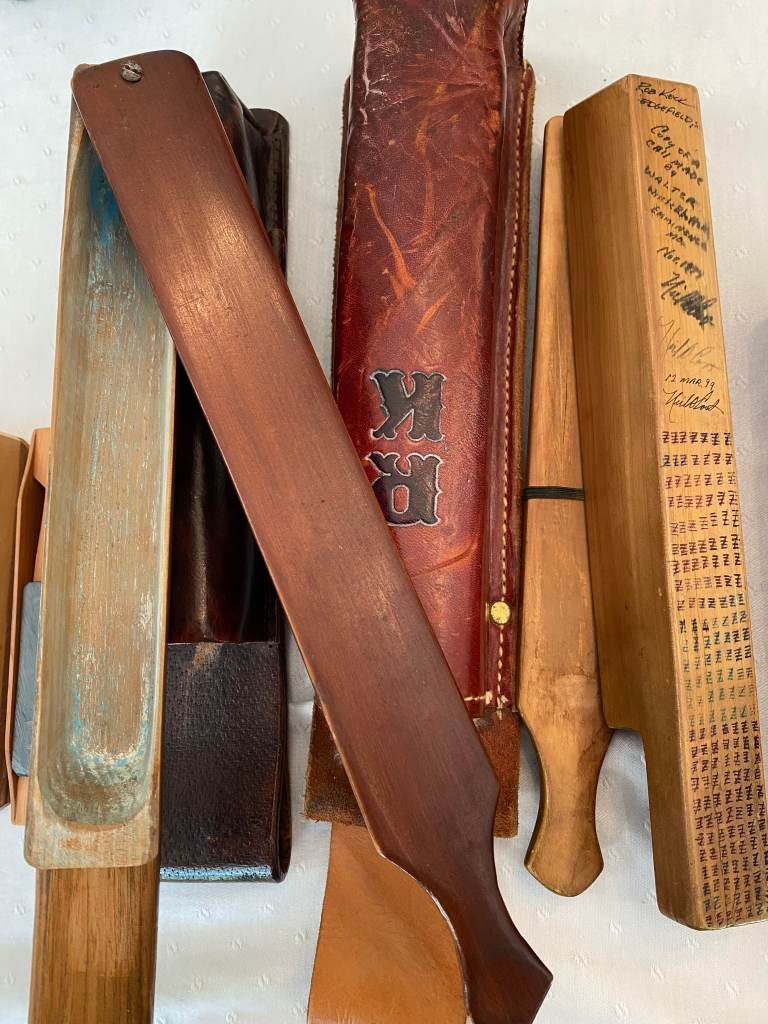
The two long boxes pictured in the main image for this column have a remarkable story to tell. One inspired the design for which legendary call maker Neil Cost became famous, and the other ignited its mainstream popularity and use among in-the-know turkey hunters. Cost gave both to Rob Keck sometime in the late 1970s, and he has cherished them since.
Keck is a former CEO of NWTF, working for the Federation from 1978 through 2008. His lengthy resume of being an iconic leader, champion turkey caller, accomplished hunter, TV show host, hunting heritage ambassador and more is impressive. Early in his NWTF career, he met Cost, and the two became trusted friends, colleagues and hunting buddies.
“Neil and I were columnists for Turkey Call magazine,” Keck said. “I worked at NWTF headquarters in Edgefield, South Carolina, and Neil lived 35 miles up the road in Greenwood. Neil often stopped by the office or my home to chat about turkey calls. I learned through his visits that Neil was tone-deaf, so he would frequently bring his creations for me to play and critique.”
During one visit, Cost brought Keck a half-dozen calls crafted with various woods, inlays and checkering patterns to get Keck’s opinion.
“I told him they were the most beautiful calls I’d ever seen,” Keck said. “I then razzed him by saying, ‘It was too bad that they didn’t sound like a turkey.’ Neil fumed at this response and asked me what they should sound like. I said his calls needed to sound like the Walt Winterbottom call he had given me a few months prior. I dug into my collection and handed it back to him. I advised him to listen to the high pitch and how the yelp naturally trails off. That sound just couldn’t be done with his short boxes.”
Sometime before that visit with Keck, Cost had obtained the long box made by Winterbottom while on a hunting trip near Eminence, Missouri. Winterbottom was a local hunter and craftsman who mortised the call from one piece of wood. Its design was nicknamed “fencepost” because of its size, and because the calls were sometimes made using old cedar fenceposts. It’s said that Cost was intrigued by the call design but initially disliked it because its extreme length made it awkward to carry and access while hunting. Plus, he thought it was unattractive.
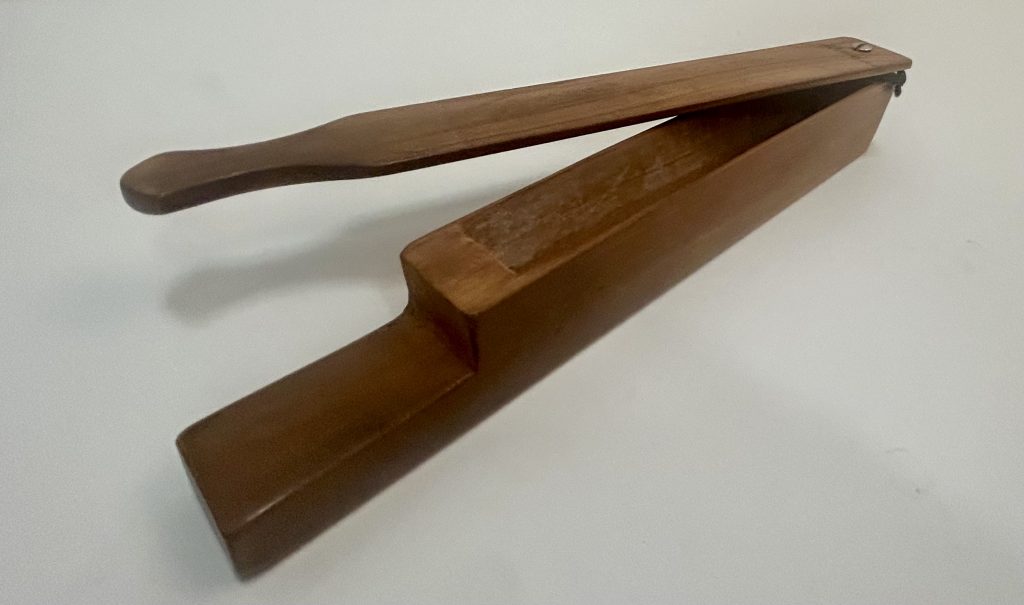
“Two weeks later, Neil returned my Winterbottom call along with five long boxes made of varied woods that were all inspired copies,” Keck said. “He told me never to ask him to make any more of these ugly calls. I first picked Neil’s cedar box with a cedar lid. It was made from a 100-year-old log that he obtained from Bob Slack of Unicoi State Park in Helen, Georgia. When I hit the first notes, its sounds were all turkey. It was the best call I had ever played, and the other calls were also excellent. I teased him, saying, ‘Neil, you have finally arrived as a call maker.’ That comment made him cuss at me a bit.”
Cost then told Keck not to tell anyone about the calls he had given him. He thought they were ugly and that nobody would want them. But like any good friend, Keck did the opposite. He took the five calls to the Mike Douglas TV show in Hollywood and proudly played them so the world could see how magnificent his friend’s calls were.
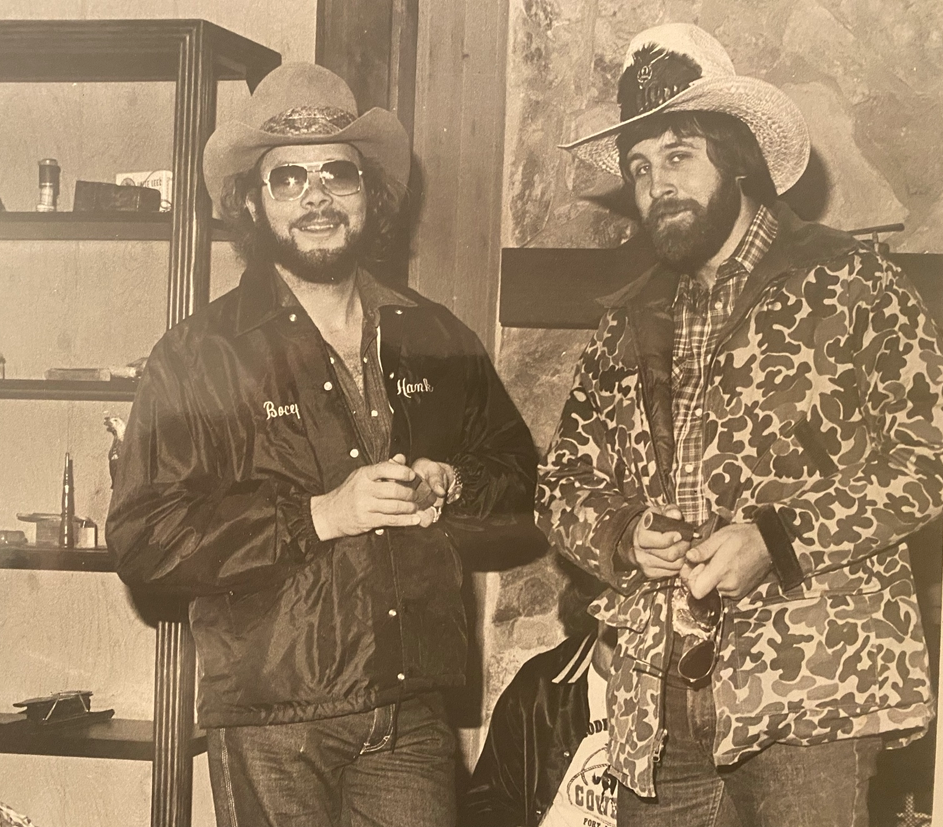
“I kept the cedar-on-cedar for myself and during the show put the other calls in the hands of Mike Douglas and other show guests, including prolific actor Ernest Borgnine, country music legend Hank Williams Jr. and a soap opera star whose name I can’t recall,” Keck said. “From that moment on, the word was out. I took my cedar-on-cedar long box to various calling contests and hunting seminars and continued promoting the outstanding call design wherever possible.”
Although Cost did not like making long boxes, which eventually became known as boat paddle calls, demand pushed him to build more, and the rest is history.
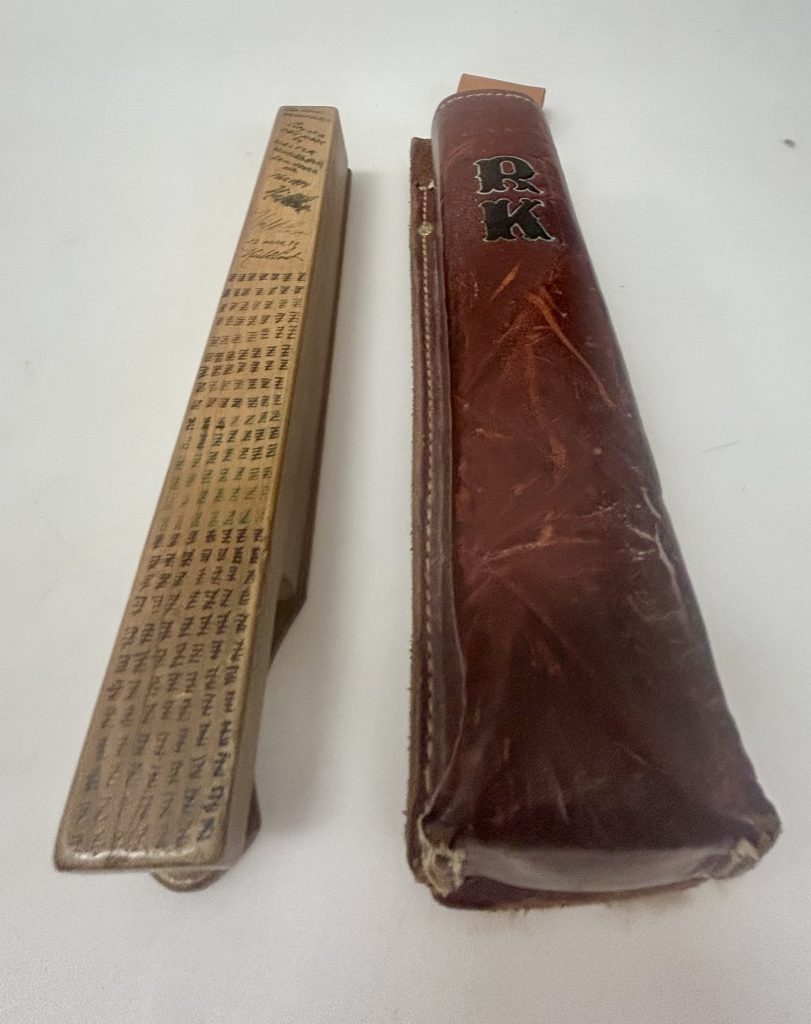
Keck safe-kept his original Winterbottom Call, but his Cost copy went with him on decades of great adventures. Through the years, many details have been written on it. Cost personalized the call to Keck and inscribed the fact that it was a copy of a call made by Winterbottom. He also signed it three separate times. In 1980, archery legend Fred Bear signed it while at the NWTF Florida State Chapter convention. However, the most impressive aspect of the call is that Keck marked it many times whenever he harvested a wild turkey with it.
“I feel these two calls are significant because they have directly or indirectly inspired numerous callers to start making boat paddle calls, which are still quite popular today,” he said. “I feel blessed to be part of their story, and I am looking to sell them as a set to any serious buyer interested in preserving their history. These special calls are well deserving of that.”