
It Took Three Duck Seasons to Understand Why I’ll Never Quit
The morning was quiet in a special way you can only find in a marsh. The wind moving through the cattails, fog hanging low over the water and ducks flying overhead but never quite committing. Two friends stood beside me, ready for whatever the day had to offer. It wasn’t an exceptional morning, and it wasn’t a story that would impress anyone scrolling on social media, but for the first time since I started duck hunting it felt like enough.
After three seasons of chasing waterfowl, I finally feel like I have it figured out in a way that will keep me coming back for years to come. Not because I’ve mastered duck hunting, but because I’ve stopped expecting it to give me something every time I show up.
My first season felt like chaos, and everything was new and overwhelming. I worried constantly about what gear I didn’t have, whether I was standing where I should be and constantly studying how to identify duck species I’d never heard of. During that season, every bird that passed overhead felt like a missed opportunity, and every missed shot felt like a failure.
My second season felt better but was still nothing to brag about. Before we had a boat, we hauled gear through cattails hiking in waders well before first light, already exhausted before the hunt began. We had more decoys and more experience, but I still measured my success by numbers, I let the cold get to me, and I let slow hunts sour my mood more than they should have.
By the third season, something finally clicked. I found myself more excited than ever, not because I expected more success, but because I felt like I understood my role. I no longer felt like a fish out of water. With my husband by my side, we became a team, and every hunt felt worth being there for, whether we shot a couple birds or none at all. I began to understand that duck hunting isn’t something you control; it’s something you participate in. Along the way, I learned lessons that reach far beyond the marsh.
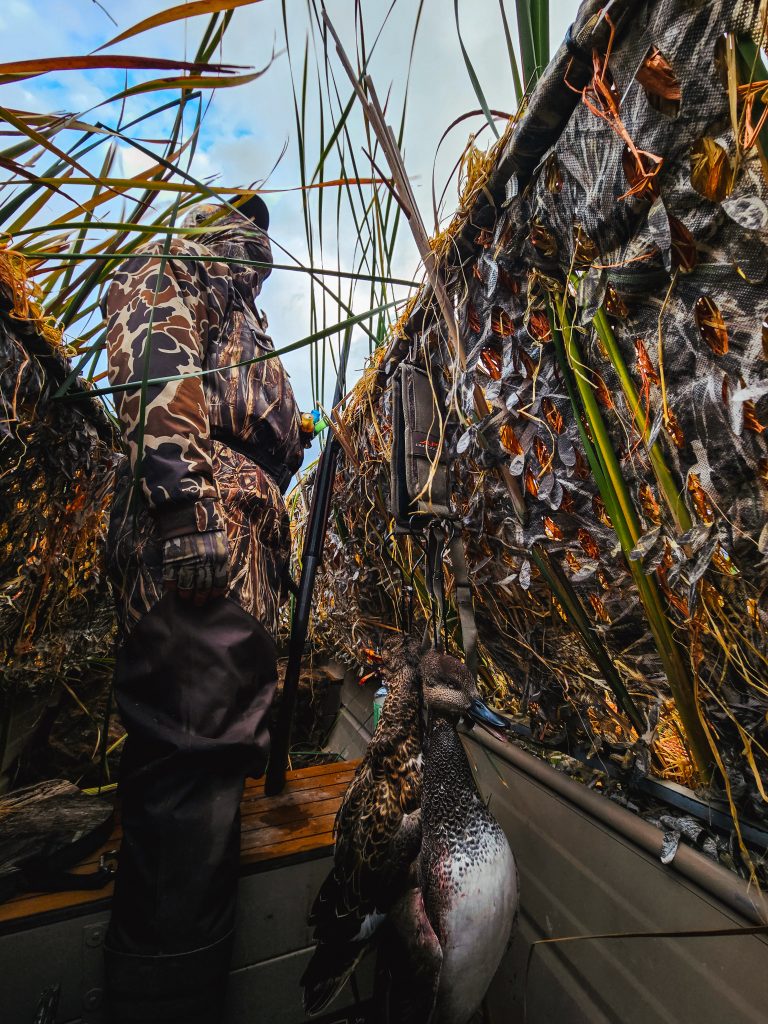
One of the most basic lessons is that patience isn’t optional, and that may be the hardest lesson for any hunter to learn. You can’t force birds into the decoys any more than you can force a gobbler into range. Some mornings are about sitting still, letting the world wake up and accepting that the best decision is to do nothing at all.
Additionally, preparation builds confidence. Scouting and time spent on the water mattered more than any piece of gear I owned. Knowing where birds wanted to be mattered more than forcing them to where I wanted them. That lesson carries straight into turkey season and into life beyond hunting.
The biggest change, however, came when I learned gratitude for the opportunities that I have been blessed with. When I stopped measuring success by what was hanging from a strap and started measuring it by time spent in wild places with people I love, everything changed. The memories, the conversations had, and the simple privilege of being there made even the slow hunts worthwhile.
Duck season taught me to let things unfold instead of trying to make them happen, and I expect I’ll carry those lessons with me into the turkey woods this spring. Pressured late-season mallards behave a lot like old gobblers that have heard every call in the book. Sometimes the best move is to listen, pay attention and let the marsh — or the woods — guide you.
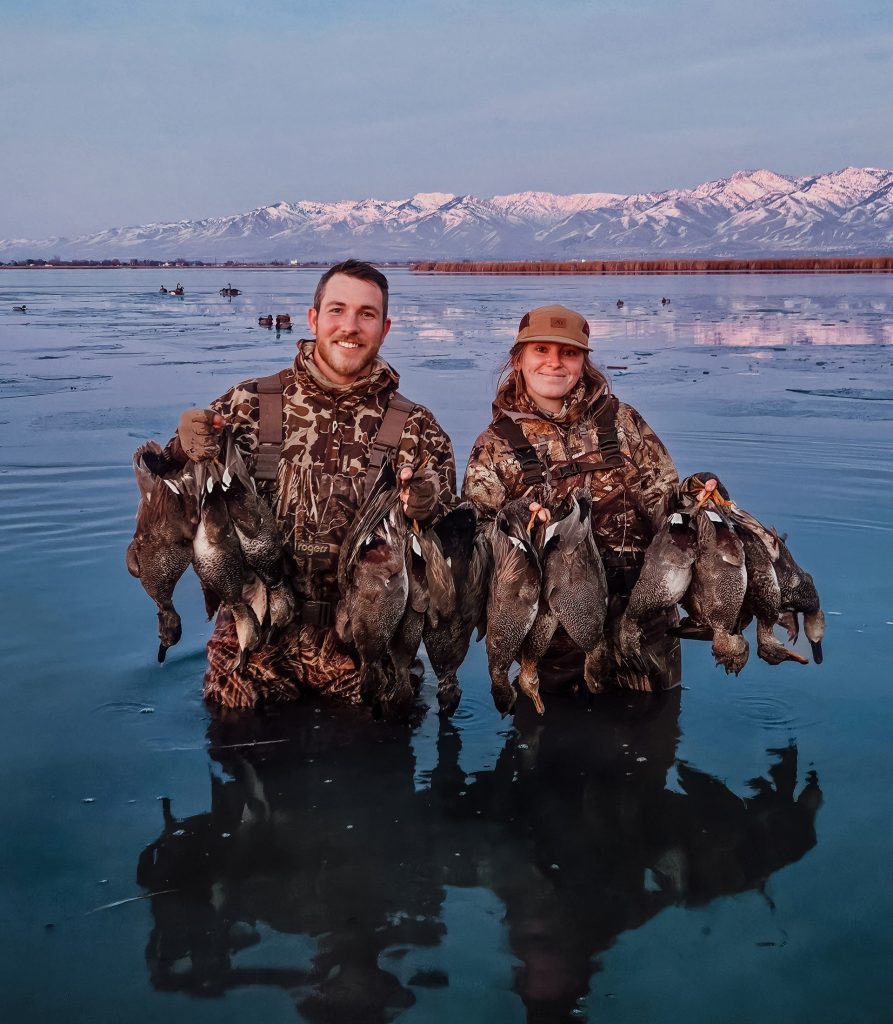
Now I understand why waterfowling hooks people for life. It isn’t about limits, photos or proving anything to anyone else. It’s about showing up, learning a little more each year and being grateful for the chance to be there at all. Not every hunt ends in success, and that’s okay. The lessons still show up the next morning, the next season or the next time you step into your waders.