Born to Follow the Hounds: Keeping a Coon-Dogging Heritage Alive
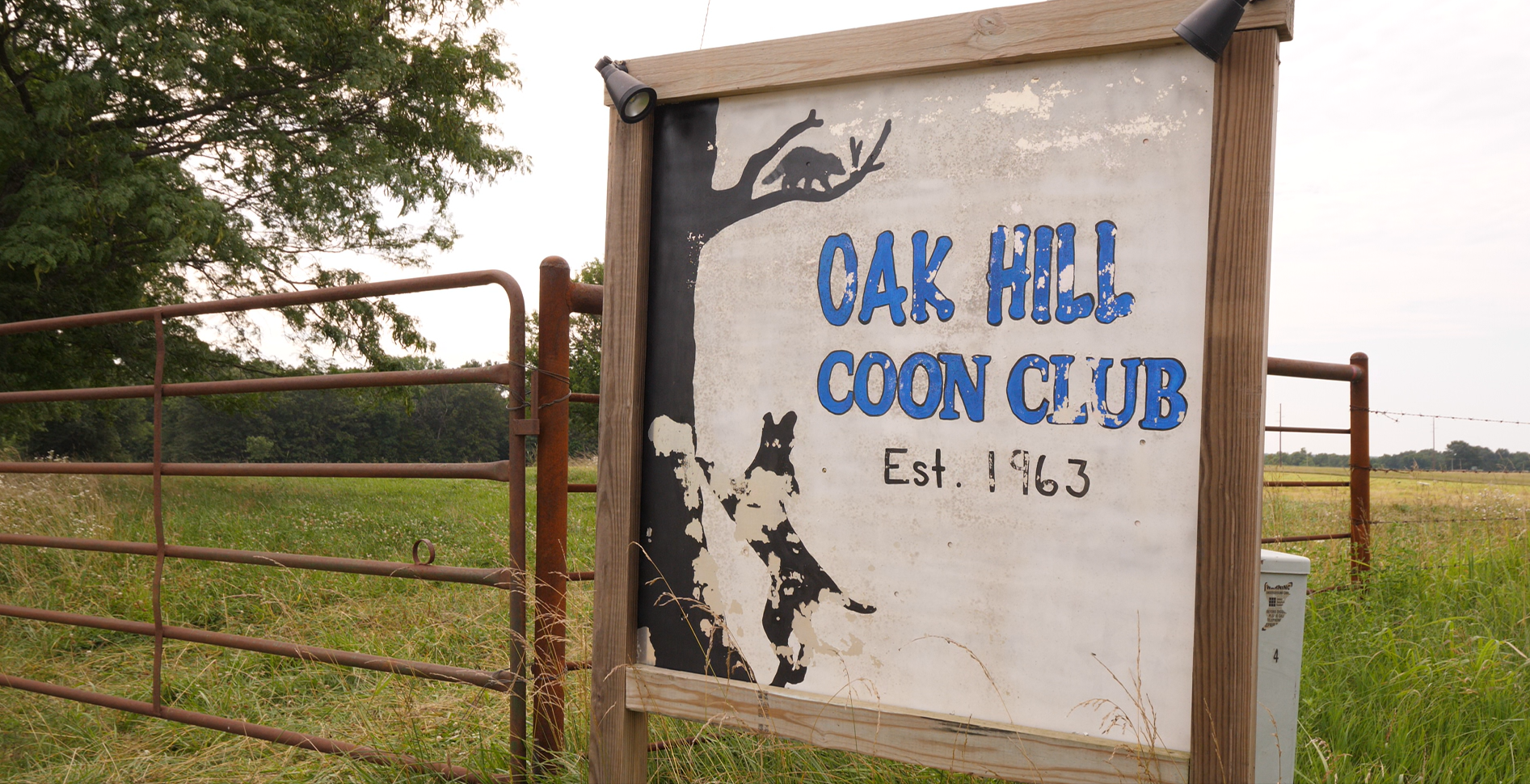
“There’s nothing like what you hear and see following a dog at night,” said Dusty McCubbins, president of the Oak Hill Coon Club near Cole Camp, Missouri.
In the darkness, hunters learn to follow a story told almost entirely through sound. A hound’s voice changes when it strikes a track, works its way through the woods and settles beneath a tree. To an experienced coon hunter, each bark carries meaning.
For McCubbins, those sounds have been part of life for as long as he can remember.
His family’s connection to the tradition began generations earlier. His grandfather hunted raccoons throughout the 1940s, ’50s and ’60s, traveling to hunts across the region with the help of his grandmother, who drove him to events in Arkansas, Kansas and anywhere else he wanted to compete.
That passion was passed from McCubbins’ grandfather to his parents, then to him. He is now working to share the same experience with his own children.
“I’ve been coon hunting my entire life,” he said. “I really don’t know any different. People have asked me why, and I guess it’s kind of like asking the dog why it coon hunts. It’s just what it was born to do. We love being outdoors, hearing the sounds of the hounds and respecting nature. That’s what it’s all about.”
An American Hunting Tradition
Hunting with coonhounds has been part of American outdoor culture for centuries. According to the United Kennel Club, the tradition dates to the early 1700s.
Many coonhound breeds descended from foxhounds brought to North America from Europe. As hunters encountered different wildlife, landscapes and hunting conditions, they developed dogs capable of following scent trails and remaining at a tree until the hunter arrived. Different terrain and hunting preferences eventually helped produce distinct coonhound breeds and hunting styles, according to the American Kennel Club’s history of scent hounds.
Organized coonhound competitions expanded rapidly after World War II. The United Kennel Club held its first licensed night hunt in 1953 in Ingraham, Illinois, drawing 33 entries. Night hunts continued to grow throughout the 1950s and ’60s, the same era in which the Oak Hill Coon Club took shape.
McCubbins’ grandfather was one of the club’s founding members in 1963 and is now one of its last surviving charter members.
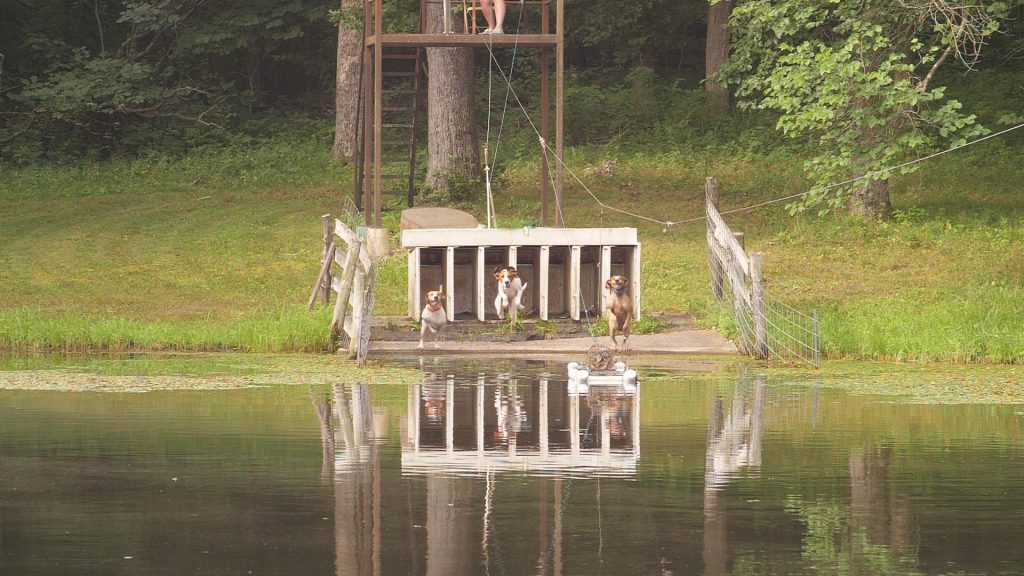
Today, McCubbins is working to preserve the activities around which the club was built, including night hunts, bench shows, field trials and water races.
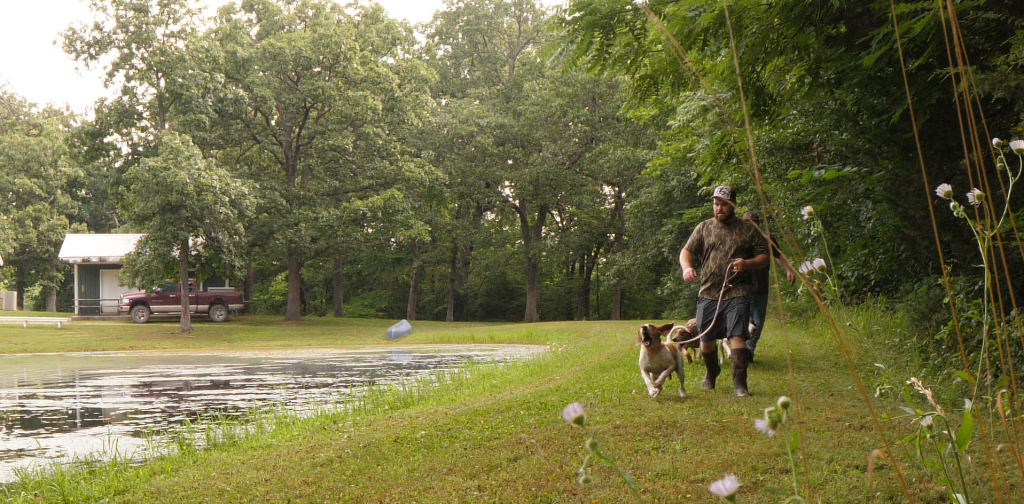
Each event highlights a different part of the relationship between a hound and its handler. During night hunts, dogs are evaluated on their ability to strike a scent, follow a track and tree a raccoon. Bench shows evaluate a dog’s physical structure and movement, while field trials and water races test hounds as they follow a set scent trail or lure across land or water.
For club members, however, the tradition is about more than scores or titles. It is built around knowing a dog’s voice, spending nights outdoors with family and friends and passing practical knowledge from one generation to another.
One Hunting Community
The Oak Hill Coon Club’s commitment to the next generation extends beyond coon dogging.
Each year, the State Fair Strutters NWTF Chapter hosts its JAKES Day at the club. The event introduces young people to outdoor skills and gives families an opportunity to experience the broader hunting and conservation community.
Although the NWTF is best known for wild turkey conservation and protecting the turkey-hunting tradition, State Fair Strutters Chapter President Gavin McCue said the organization’s volunteers understand that hunters share many of the same challenges.
“What I like about helping as an NWTF volunteer is they do support houndsmen and women and other types of hunting,” McCue said. “It’s not just strictly turkey hunting. It’s hunting heritage in general. We’re all on the same team here, and we all have to work together.”
That relationship became especially important earlier this year when language affecting sporting dogs was added to the House version of the federal farm bill.
The language originated with the Greyhound Protection Act and included restrictions involving certain uses of live animals during dog training and field trials. Sporting organizations warned that the broad wording could affect retrievers, bird dogs, coonhounds and other working hunting dogs.
Following opposition from hunters and sporting-dog organizations, the language was removed from the House farm bill. The Sportsmen’s Alliance reported that thousands of hunters, dog owners and trainers contacted lawmakers during the effort.
McCue said the issue demonstrated why hunters cannot afford to view themselves as separate groups divided by the game they pursue.
“It threatened the way houndsmen do things, whether you’re a bird dogger, a coon hunter or anything else,” McCue said. “We all stood together and united as one team to work with our lobbyists and lawmakers to get that language removed because this is a tradition worth fighting for.”
For McCue and McCubbins, protecting coon dogging requires both political advocacy and public education. People may not understand what draws hunters into the woods behind a hound, but he hopes the club can help them understand why the tradition matters.
That work begins locally through the Oak Hill Coon Club, the Missouri Coon Hunters Federation, the Missouri Sporting Dog Association and partners such as the NWTF State Fair Strutters Chapter.
Their activities may involve different dogs, different game and different times of day, but they share a common purpose: ensuring young people continue to have the opportunity to experience America’s hunting heritage for themselves.
For McCubbins, that means continuing to follow the sounds he has known his entire life — and making sure another generation is beside him to hear them.