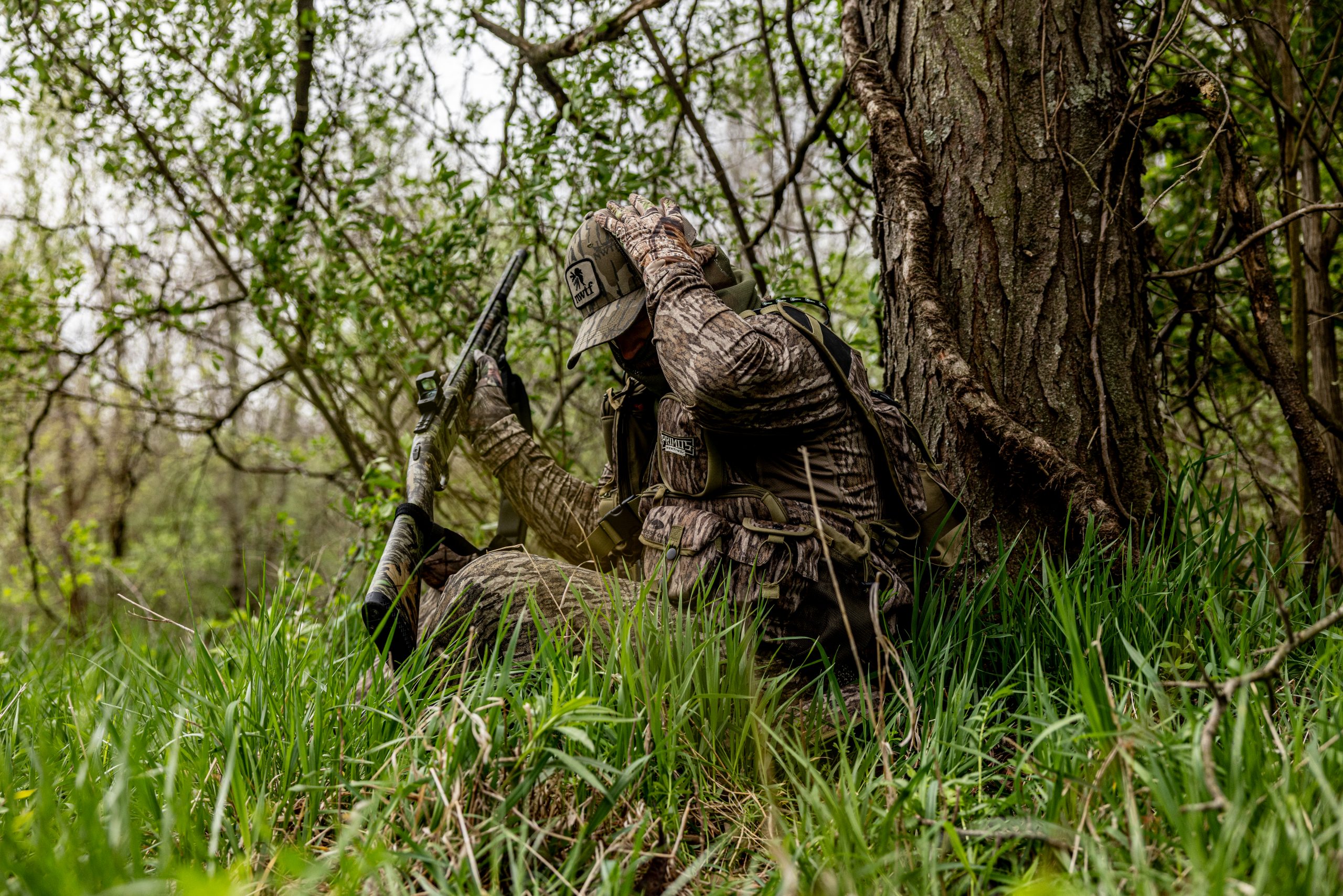
Lessons From a Bird That Beat Me
Losing to a turkey can lead to knowledge gained.
I was humbled by a gobbler in Missouri last year.
For all the talk I hear about turkeys having a brain the size of a pea, this turkey made me feel like it was I that had the pea-sized brain.
I was hunting with Bret Collier, aka Dr. Short Spur, and, as the sun rose, we listened to this particular bird gobble on the limb close to 100 times. Collier will say more than that.
We decided to split up. Collier was going to stay in the same spot, and I was going to try another location the tom might make his way to. Using the nearby rye fields, I skirted the wooded corridor I thought the gobbler would use. I put a lone hen decoy in a grassy food plot, sat up on a good tree in the hedgerow and started yelping. He responded, his gobble echoing through the timber, leaving Collier and getting closer and closer to me by the gobble.
“This bird is going to play,” I thought.
To my surprise, the gobbler made his grand entrance via the wooded hillside behind me. After the tom was about 20 yards away, he wasn't interested in my decoy in the field at all. The gobbler stayed in the woods and was looking right at me and where I was yelping from. He came into me at about 12 yards and gave me a shot among the trees and brush. Heart thumping, I pulled the trigger.
Click.
I went from pure excitement of a heart-pounding guaranteed harvest to utter bewilderment as to why my gun didn’t fire, the tom watching all of it.
In a predawn haze, I must have closed the action without chambering a shell. I still put two under.
After re-racking my gun as stealthily as I could, I was ready, but the gobbler had already worked his way back up the hill, knowing something was off. And if you think not loading my firearm correctly was the only mistake I made, you’re wrong.
Back on the high ground, the tom responded to nearly every one of my calls. We went back and forth for about 15 minutes. He was fired up but was wary after my botched attempt at shooting him.
Had I been a better turkey hunter, I would have stayed put, shut up and kept him guessing. Instead, I decided to slowly make my way up the hill, thinking he couldn’t see me.
And just like that, I bumped him. It was a chess match, and this tom beat his pea-brained opponent.
Turkey hunting can reveal exactly where your woodsmanship is thin. Sometimes it’s setup selection. Sometimes it’s calling discipline. Sometimes it’s ego. For me that morning, it was a little of all three.
If that bird had marched straight into the decoy and folded, I would’ve walked out thinking I had it all figured out. Instead, I walked out replaying every decision: Why did I keep calling when he was already answering? Why did I assume movement would help with a bird that was already engaged? Why didn’t I just stay still and shut up?
While I like to think I’m not this clumsy every time I step into the woods, these lessons come from experience, as humiliating as some may be.
Building woodsmanship requires experiencing hunts where tactics fail, and you’re forced to think about why. When everything works every time, you're less likely to grow; you just rinse and repeat.
I’m not suggesting going out and intentionally bumping turkeys or screwing up a hunt, but choosing to try out something new may teach you a new lesson and strengthen your overall ability as a turkey hunter. Consider trying a wing bone call, or leave the decoys at home and see what happens. Limit your shots to 40 yards and see what the tom can teach you up close.
While I didn’t leave the woods with some delicious meat, a nice tail fan and a long beard, I did leave with a lesson that will accompany me every spring.