Making Room for Wildlife in Wisconsin’s Northwoods
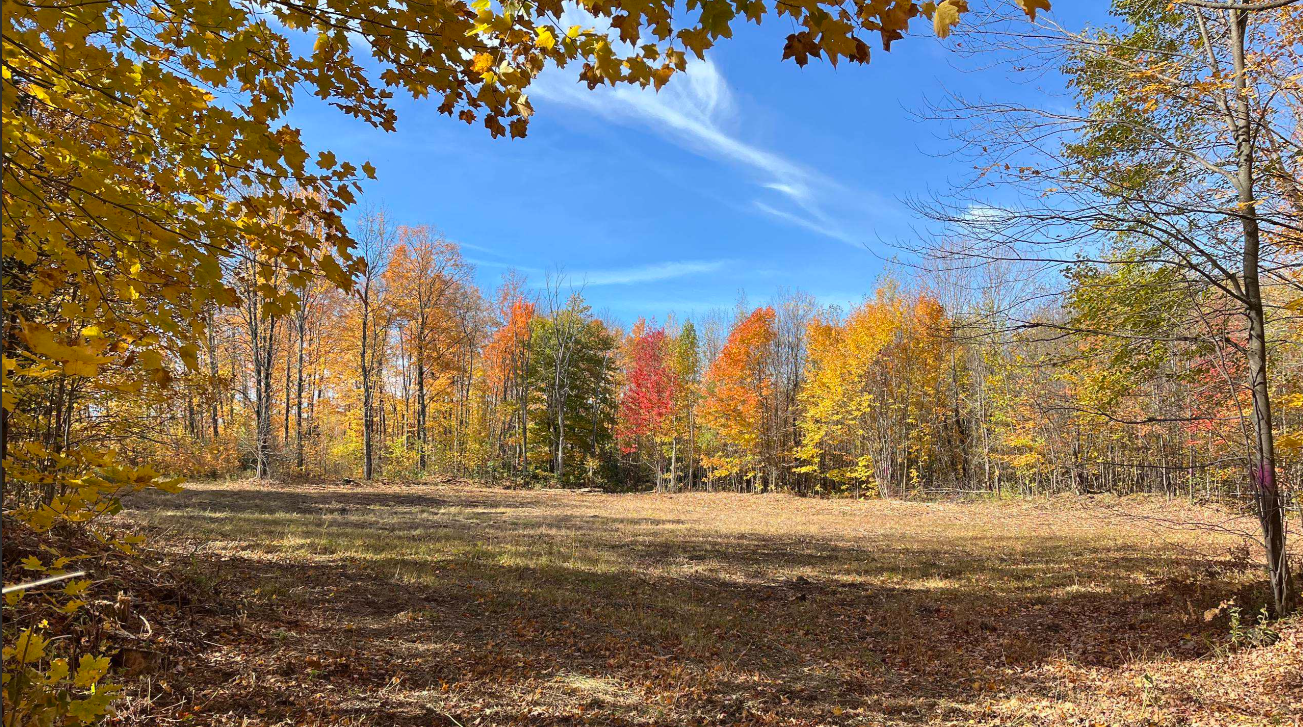
In Wisconsin's Northwoods, a region known for its vast forests and lakes in the northern part of the state, miles of thick timber make up much of the landscape. But tucked between the trees are small openings that offer something different for wildlife and hunters alike.
This fall, those openings received some much-needed attention.
Thanks to a partnership between the National Wild Turkey Federation, Oneida County Forestry and the Wisconsin Department of Natural Resources, 45.6 acres of wildlife habitat and associated access areas were improved on the Oneida County Forest.
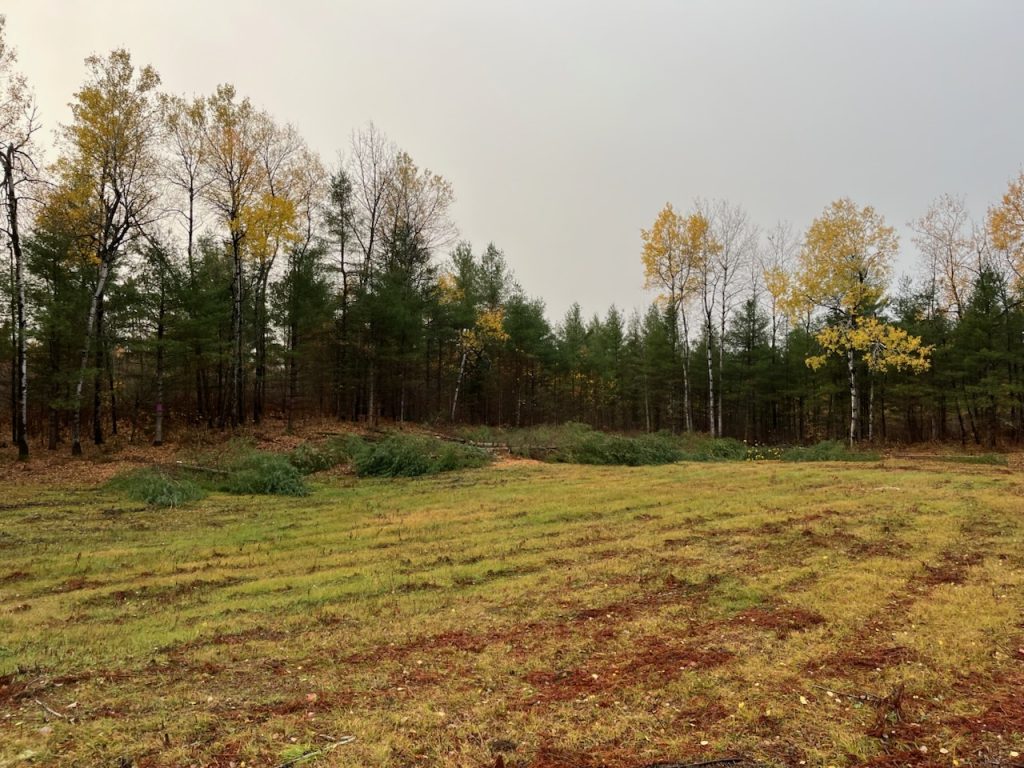
The project, completed Oct. 12 on the forest's Lynne Block, involved mowing existing wildlife openings and the trails connecting them. The Wisconsin NWTF State Chapter contributed funding through its Super Fund toward the project.
In northern Wisconsin's heavily forested landscape, maintaining open habitat is especially important for wild turkeys and other wildlife. In these areas it's not habitat for winter survival that is lacking, it's brood rearing habitat that needs to be actively managed to keep populations alive. Without the wildlife openings like this project provides, much of the landscape would be too heavily forested to provide suitable habitat for poults.
Small openings scattered throughout the woods provide important nesting and brood-rearing habitat. Native grasses and forbs support insects that growing poults depend on, while nearby cover helps protect them from predators.
Those same openings also give gobblers places to strut their stuff each spring.
However, without regular maintenance, shrubs and young trees gradually move into the openings, replacing the vegetation that makes them valuable to turkeys.
That's where the mowing comes in.
These openings have been maintained through a partnership between the Wisconsin DNR and county forestry officials for roughly 40 years.
Today, crews follow a five-year mowing rotation to keep woody vegetation in check. With this year's work complete, the treated areas are expected to provide quality habitat until their next scheduled maintenance in 2031.
"Partnerships like this between non-government organizations, like NWTF, and state and local governments are a great example of the importance these wildlife openings have to varying agencies and organizations," said Clayton Lenk, NWTF District Biologist. "Being able to collaborate and assist with the implementation of this critical habitat work in northern Wisconsin is something we are proud to be involved with."
And turkeys aren't the only ones benefiting.
Ruffed grouse, American woodcock, golden-winged warblers and other wildlife species rely on the diverse habitat that forest openings provide. These areas offer breeding and nesting habitat, valuable food sources and cover throughout the year.
The improvements are also good news for hunters.
The Oneida County Forest is open to public hunting, and maintaining its walking trails helps keep wildlife openings accessible. Whether someone's chasing spring gobblers, following a bird dog through the woods or heading out for deer season, those maintained trails help hunters reach areas tucked deeper into the timber.
The project is part of a larger effort across northern Wisconsin, where conservation partners are maintaining similar networks of wildlife openings and trails on state and county forest lands.
Together, these efforts help maintain a patchwork of habitat across a heavily forested landscape, benefiting wildlife while preserving opportunities for public recreation.