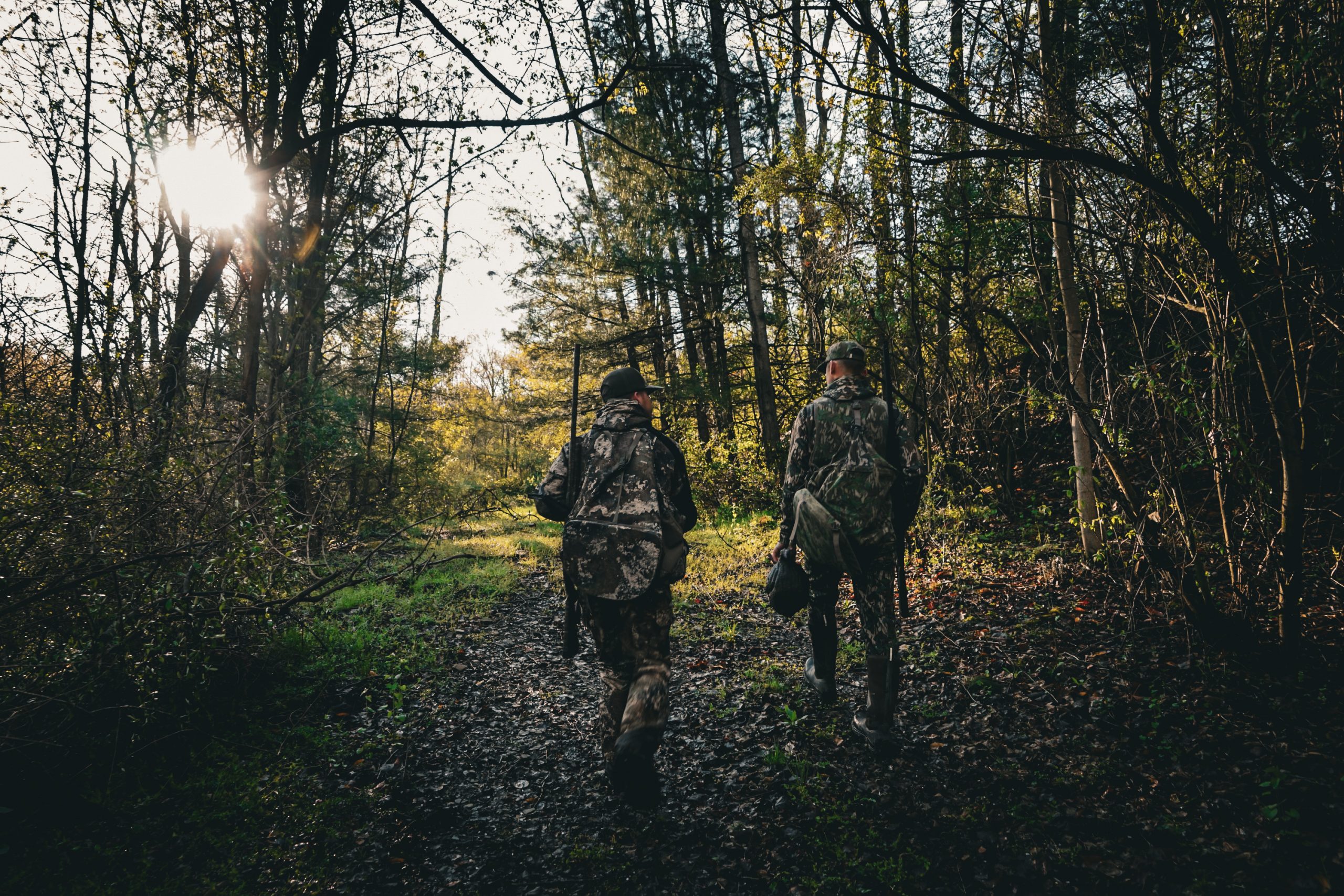
Mistakes Turkey Hunters Make (and What They Teach Us)
Whether you’re new to turkey hunting or have decades in the woods, chances are you’ve made at least one of these mistakes. Let’s be honest, ever turkey hunter has. But these missteps are how we learn, adapt and grow into better hunters and mentors.
Although these factors are not guaranteed to keep you from punching your tag, they sure will make it more difficult. Let’s break down a few of the most common pitfalls turkey hunters face and how to avoid them.
Overcalling
Calling is at the heart of turkey hunting; it’s the conversation between hunter and bird that gives us a thrill and draws us in for more. Calling is important but knowing how and when to do it is the key, and too often hunters fall into the trap of overcalling.
Of course, it comes down to each situation; however, it’s generally true that excessive calling can turn an interested gobbler into a wary one. Another mistake? Calling without a clear purpose. Every yelp, cluck and purr should be intentional, helping paint a realistic picture of a hen and her behavior.
Take time to understand how real turkeys communicate by listening to them in the woods or through educational videos. This also comes down to practice. Work on mastering different calls and tones to the point you are comfortable enough to use them in the field when the pressure is on.
If you’re looking to build a solid foundation, the NWTF’s YouTube channel offers helpful breakdowns on calling fundamentals, including box calling basics, pot calling basics and mouth calling basics to help you sharpen your skills before the season arrives.
Not Getting Out Early Enough
We all have those days where you just can’t stop hitting that snooze button, but those extra 30 minutes could cost you — especially if you are hunting on public lands.
Showing up late means less time to set up and settle in before legal light, and if you hunt public lands, it could mean someone else has claimed the spot you planned on hunting. Scrambling to find a new place to set up, not having enough time to get everything ready and not spending enough time concealing yourself all can ruin your chances before the woods even wake up.
Being early isn’t just about beating other hunters. It’s about giving yourself time to slow down, listen and prepare. Turkeys are sharp-eyed and unpredictable — your best advantage is being ready as you can be. Avoiding a rushed, late start can be as simple as setting multiple alarms, packing all your gear and snacks the night before and going to bed with a clear game plan already in mind, so that when daylight comes, you’re ready.
Lousy Concealment
Good concealment is more than camo — it’s about blending into the environment and minimizing movement.
You don’t need the most expensive camo on the market, but you do need the right colors for your surroundings. Match your clothing to your terrain and make sure your face, hands and gear are covered.
Positioning also matters. If you’re not hunting from a blind, set up with heavy cover behind you and lighter cover in front. This creates depth and helps break up your outline while still allowing a clear shooting lane. Having that bit of cover at your front will help you blend in much better and can conceal some small movements from calling or adjusting your shotgun.
Then there’s movement, or rather the lack of it. Constant shifting or quick head turns can betray your position faster than you think. Get comfortable before the action starts and resist the urge to fidget. If you must look around, move your head slowly and deliberately.
If you want extra concealment but can’t make a traditional ground blind work for your setup, a portable ground blind may be a solid option. These lightweight blinds are designed to fit in a vest or backpack, offering added cover without sacrificing mobility. Ground blinds can also be especially useful for youth hunters or anyone who struggles to sit completely still for long periods, allowing you to focus on calling, patience and shot placement rather than every small movement. When possible, brushing in the blind with natural vegetation and setting it against a solid backdrop will further improve concealment and effectiveness.
Lack of Patience
If there is one lesson every turkey hunter eventually learns, it’s patience. Many turkey hunters cite this as their number one piece of advice, for good reason.
It’s hard to fight the urge to chase a gobbler that stops responding or seems to be moving away, but turkeys have their own unpredictable rhythms. That same bird might circle back from a different direction later, and if you’ve left your setup too soon, you’ll never know.
Many times, hunters also are surprised by a silent tom that slips into your setup without ever gobbling. Staying patient and alert can mean the difference between tagging out or spooking the bird you never knew was there. It’s a familiar story among seasoned turkey hunters: abandoning the game plan too soon, moving too much or letting impatience take over only to hear a gobble ring out from the exact spot you left just minutes earlier.
And while waiting, resist the pull of your phone. That one quick scroll could cost you the opportunity you’ve been waiting for all morning.
Bonus Tip: Fall Turkey Hunting is a Different Game
If it’s your first time turkey hunting in the fall, it’s best to understand that using the same tactics as you would in the spring won’t always translate to fall birds. There are many strategies for hunting turkeys in the fall, and a good place to get started can be found in Bruce Ingram’s article: Rules for Successful Fall Turkey Hunting, which breaks down some of the best methods for the season.
Every hunter, no matter how experienced, will make mistakes. But that’s part of the journey. Each mistake teaches something valuable, and the key is to take those lessons forward, share them with others and keep striving to improve. After all, turkey hunting isn’t just about filling tags — it’s about understanding the bird, respecting the process and continuing the tradition for generations to come.