More Than Wood Waste: Biomass, Forest Health and the Future of Conservation
The 2026 International Biomass Conference & Expo brought together about 1,000 industry professionals, including NWTF staff, from 24 countries to discuss how wood and agricultural materials can be used for energy, fuels, soil products and other emerging markets. The event continues to grow as more industries look at biomass as part of the solution for forest health, wildfire risk reduction and rural economic development.

For the NWTF, those conversations are critical because healthy forests depend on more than good intentions. They depend on having the tools, partnerships and markets needed to get work done on the ground.
“In many parts of the country, there is an abundance of low-value wood and residual material generated through forest management,” said Tim Phelps, NWTF wood utilization specialist. “The real challenge is finding a market for that material once it comes off the landscape.”
That material often includes small-diameter trees, slash, limbs and low-value wood removed during thinning projects, fuels reduction work and habitat improvements. Historically, much of it has had little or no value, making restoration work more expensive and harder to accomplish.
But that is beginning to change.
Conference attendees discussed a growing number of ways to use what was once considered waste material. Small trees and mill residue can now be turned into energy, pellets, soil amendments, carbon products and other marketable goods. New technologies are making it easier to use low-value wood, while emerging products like biochar are creating new opportunities for both soil health and carbon storage.
Biochar, a charcoal-like material created from biomass, has become one of the more talked-about products in the industry. It can improve soil quality, retain moisture and store carbon for long periods of time. Other discussions focused on how struggling mills and wood-processing facilities could be repurposed into new utilization hubs that support forest restoration projects and local jobs.
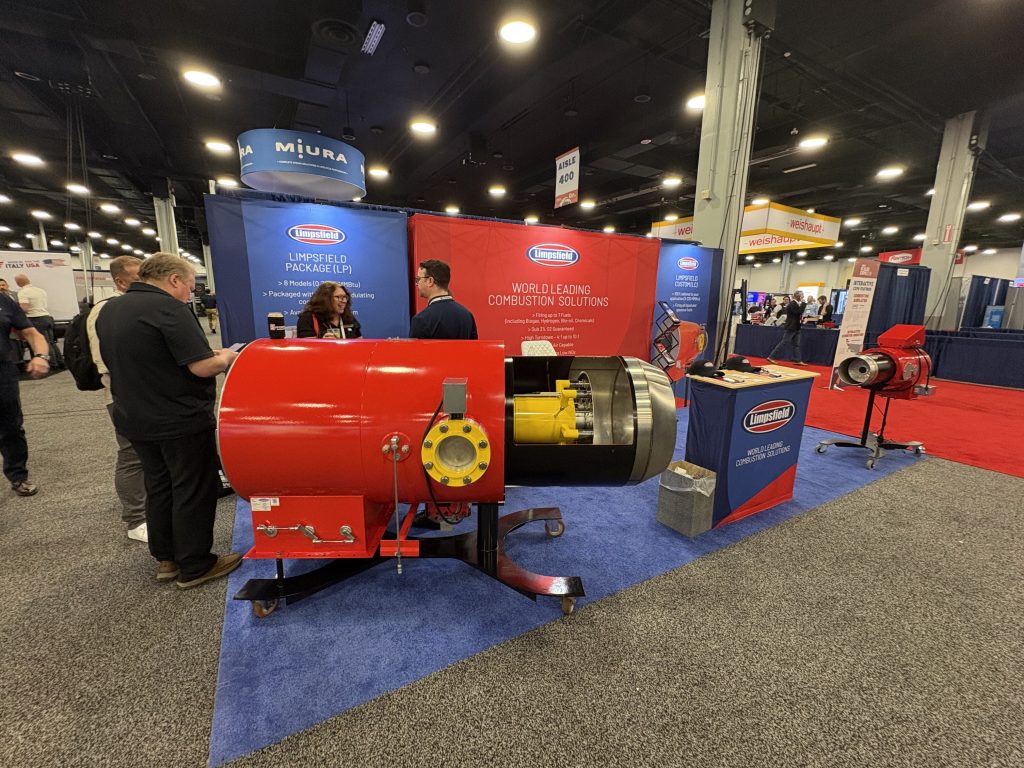
The bigger message from the conference was clear: the technology exists. The challenge is creating reliable markets. Projects only work when there is someone willing to buy the final product. Without that market, land managers often have few options beyond piling, burning or leaving material on the ground.
“What’s becoming clear is that we’re moving past the ‘interesting idea’ phase and into a period where only economically grounded projects will survive,” Phelps said. “That means dependable feedstocks, clear market demand and financeable structures all have to line up. When they do, projects move quickly. When they don’t, even strong technologies stall.
That alignment between forests, markets and infrastructure is where the real opportunity sits.”
That matters to hunters and conservationists because stronger markets can directly support more active forest management. When low-value wood has value, it becomes easier and more affordable to complete thinning projects, improve forest structure and reduce dangerous fuel loads. That means more acres treated, lower wildfire risk and better habitat for wild turkeys and countless other wildlife species.
It also means stronger rural economies. Many of the communities closest to active forest management projects are rural communities that depend on mills, logging contractors and natural resource jobs. Keeping wood utilization local helps support those economies while making it more practical to complete conservation work at scale.
For the NWTF, that is why being part of these conversations matters. The organization has long supported active forest management as a way to improve wildlife habitat, reduce wildfire risk and create more resilient forests. Through its partnership with the USDA Forest Service and its work across the country, the NWTF has seen firsthand that forest restoration projects are often limited not by the need for work, but by the ability to pay for it.
The conference also highlighted the increasing importance of partnerships between conservation groups, industry leaders and policymakers. Financial incentives, carbon markets and public-private partnerships are beginning to play a larger role in helping projects move forward.
For NWTF members, that may not seem directly connected to wildlife at first glance. But the reality is that healthy forests, clean water, resilient communities and robust recreation all depend on having practical ways to manage the land. The NWTF cares about these issues because they are conservation issues.
When forests are overcrowded and overstocked, wildlife habitat degrades. When rural economies struggle, the infrastructure needed to support active management disappears.
Creating markets for low-value wood may not sound as exciting as hearing a gobble on a spring morning, but in many places, it is one of the keys to ensuring those mornings still exist for future generations.