New Nisqually River Chapter Hits the Ground Running with First Habitat Project
One of Washington’s newest NWTF chapters is wasting no time making a conservation impact. The Nisqually River Chapter of the NWTF, founded in January 2025, hosted its first hands-on habitat project in early August, gathering more than 20 volunteers to restore over five acres of land at a local farm in Yelm, Washington.
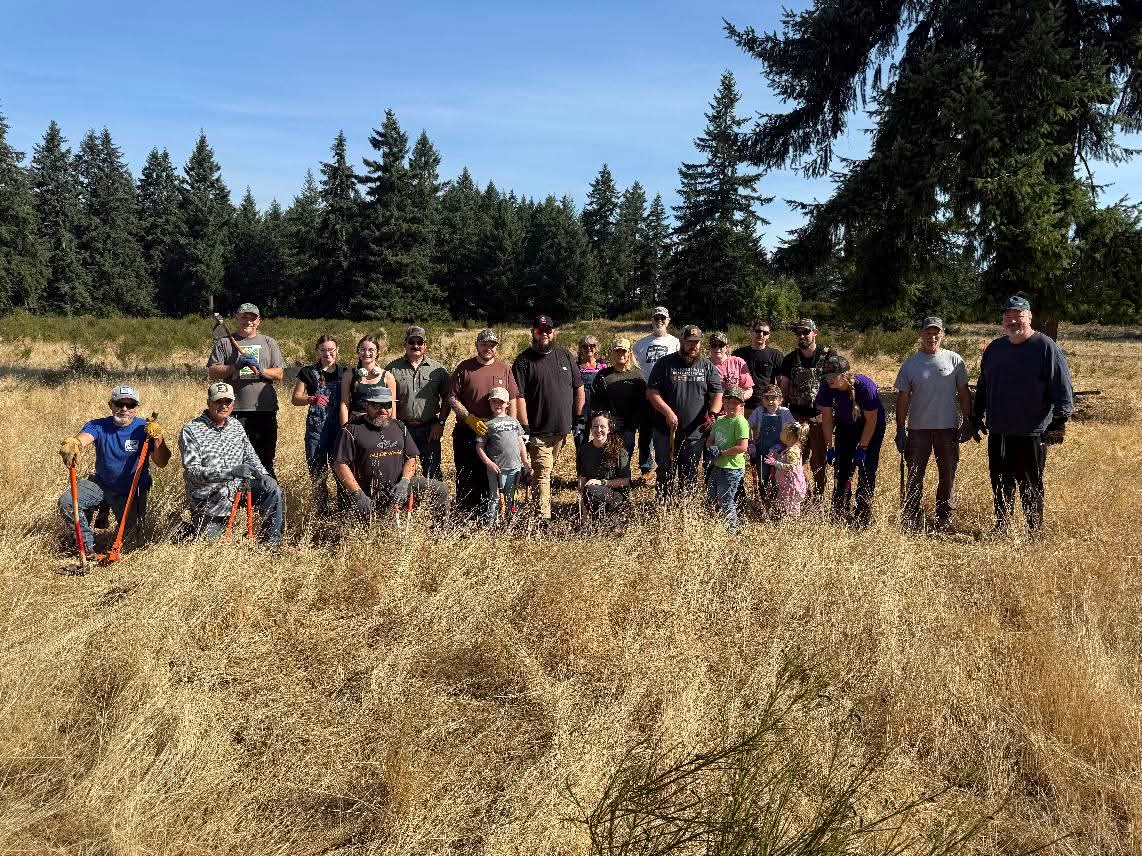
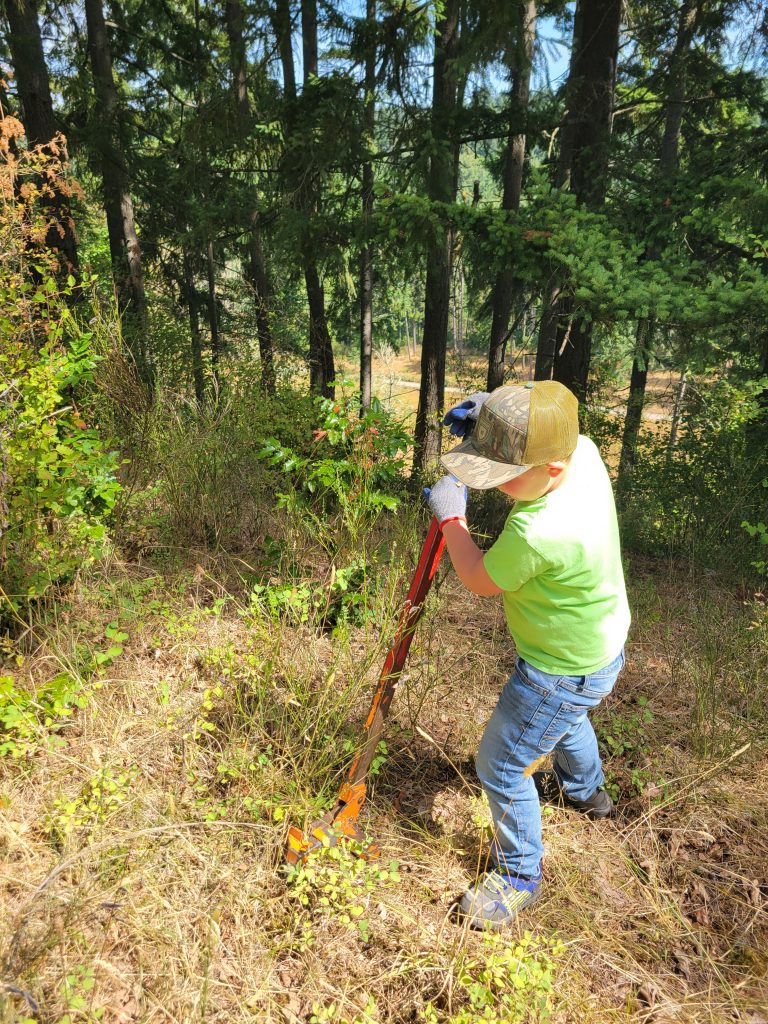
Working alongside the Nisqually Land Trust, Tracking Y Ranch and the Petersen family, volunteers endured 90-degree heat to improve the farm’s habitat for both wildlife and livestock, with much of their effort devoted to removing the invasive Scotch broom — a noxious weed found in portions of the state.
This invasive plant outcompetes native vegetation, changes the soil chemistry, forms dense monocultures more than 10 feet tall, and its seeds are toxic to livestock and horses. Removing Scotch broom opens the door for native plants to return, creating healthier habitat for wild turkeys and a variety of other wildlife.
"The project site is on a rare native bunchgrass prairie and Oregon white oak woodland,” said Justin Grimm, Nisqually River Chapter president. “It has lots of forbs and insects for young poults, overhead thermal protection from the oaks and hard mast in the form of acorns. This site supports not only cattle, but black bear, Roosevelt elk and a local flock of Eastern wild turkeys."
The work is part of a larger conservation strategy that aligns with how Tracking Y Ranch currently manages the property. They employ a strategy called prescribed conservation grazing, rotating cattle only when it benefits habitat health.
“Next to prescribed fire, it’s an amazing tool for keeping this land in an early successional state,” Grimm said.
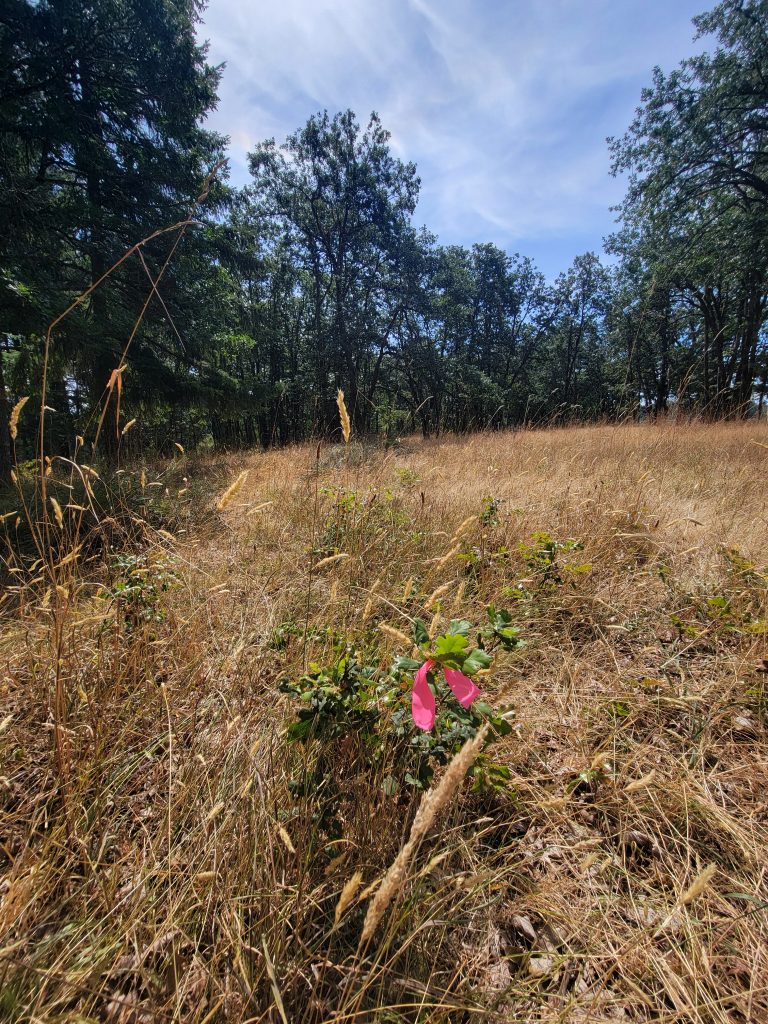
In addition to removing invasive plants, volunteers marked oak seedlings with flagging tape, ensuring they could later be protected with cages and tubes from overgrazing. Oregon white oak, also known as Garry Oak, is Washington’s only native oak species and an essential component of healthy prairie ecosystems.
"Our volunteers did a phenomenal job, hand-pulling and cutting thickets of scotch broom, releasing these oak seedlings and doing very impactful work" Grimm said.
The project builds on a budding partnership between the NWTF and the Nisqually Land Trust. The Land Trust recently collaborated with the Washington NWTF State Chapter during the July JAKES Day youth event. It also manages land enrolled in the state’s Feel Free to Hunt program, which provides hunters with access to private lands. Currently, the enrolled property is open for deer and elk season, but Grimm and chapter leaders are working with the Land Trust to explore new opportunities for both fall and spring hunting while continuing to advance conservation goals.
With its first conservation project complete, the Nisqually River Chapter has set a strong precedent for the future. By combining community volunteers, conservation-minded landowners and trusted partners like the Nisqually Land Trust, the chapter is already making meaningful strides for wildlife, habitat and hunting access, laying the groundwork for future projects that will strengthen habitat and hunting traditions across Washington.