NWTF Biologist Leads Longleaf Partnership Council for 2026
EDGEFIELD, S.C. — Halfway through his term as Chair of the Longleaf Partnership Council, Ricky Lackey, district biologist for the National Wild Turkey Federation, continues to bolster partnerships, align strategies and implement innovative solutions to move the needle forward for longleaf pine restoration across the Southeast.
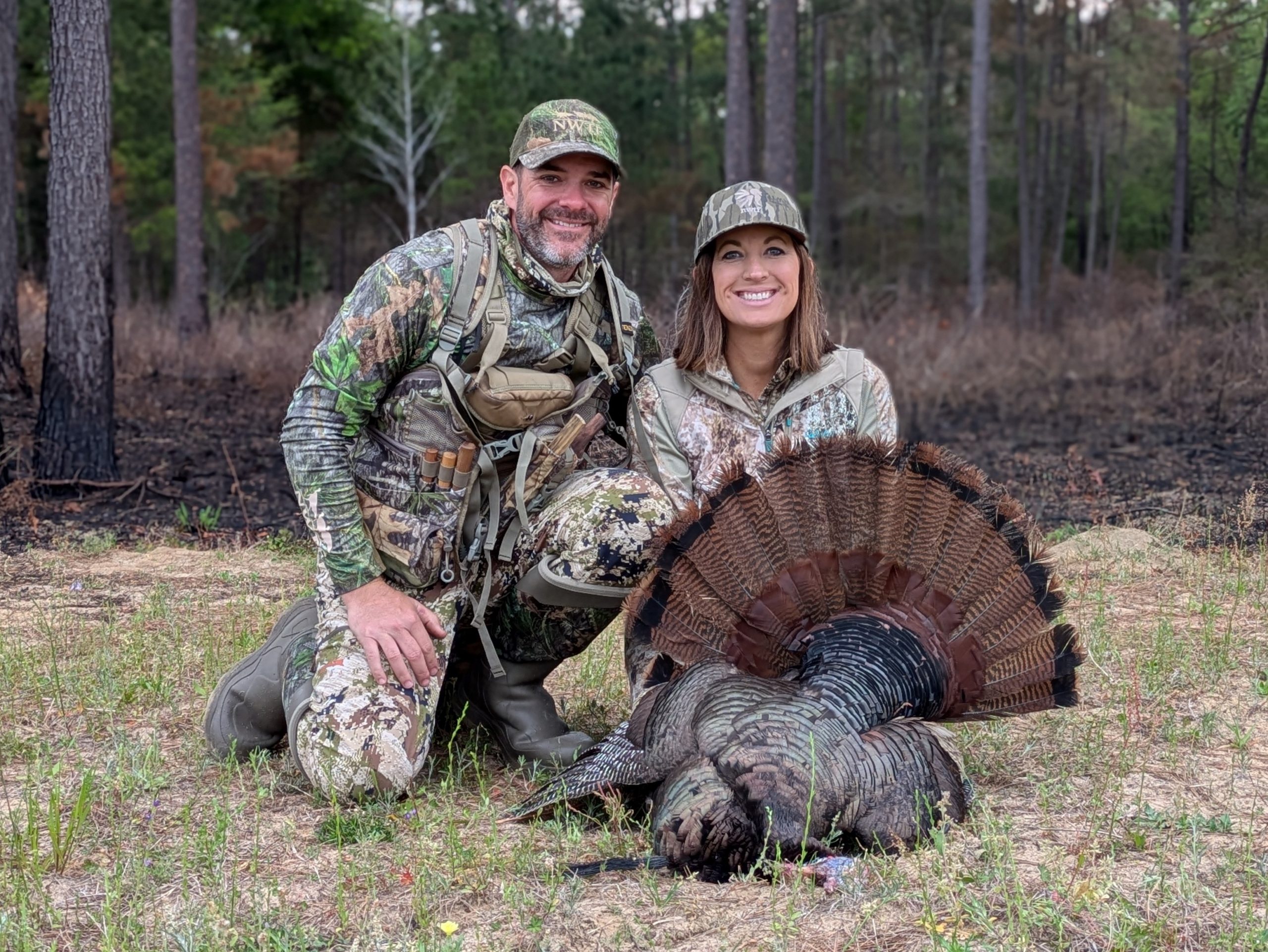
“Knowing that the NWTF was one of the founding members of the council, it is an honor to have been elected chair this year to continue what we set out to do from the get-go, bringing concerned and motivated groups, agencies and individuals to the table to help restore the longleaf pine ecosystem,” Lackey said. “The council provides a platform for a broad range of partners from the local to federal level to align strategies and develop innovative solutions and application. Much of the NWTF’s on-the-ground accomplishments for longleaf ecosystems is a result of the council.”
Since 2017, the NWTF has helped conserve and enhance over 1.1 million acres of longleaf pine across public and private lands through a variety of practices, including prescribed burns, tree-plantings, creating landowner restoration plans, invasives species removal and more.
Longleaf pine ecosystems once dominated the Southeast, extending from Virginia to Florida and expanding as far west as eastern Texas. Today, however, estimates show that America’s longleaf pine ecosystem encompasses about 5% (5.2 million acres) of its historic range and is highly fragmented. Thus, the importance of partnerships working on a landscape-scale to restore these vital ecosystems cannot be understated.
Burned, open longleaf-dominated forests offer a patchwork of habitat for wild turkeys, including an herbaceous understory for nesting and brood-rearing cover, while also providing areas with shrubby cover for concealment against predators.
“A well-managed longleaf pine forest is top tier for wild turkeys,” Lackey said.
In addition to the NWTF’s efforts on a national level — such as the Habitat for the Hatch Initiative, National Fish and Wildlife Foundation partnerships and other private land initiatives — the NWTF’s grassroots volunteers are involved in the cause and directly tie their efforts to the landscape-scale work. Many Southeastern NWTF state chapters dedicate their Super Fund dollars — funds NWTF volunteers help raise — back into active forest and fire management projects that enhance longleaf pine ecosystems, such as multistate longleaf implementation teams and The Nature Conservancy’s Fire Management Program, to name a couple.
Many of these partnerships stem from collaboration found at the table of the Longleaf Partnership Council.
“Lately, a priority for the council has been to better understand the shifting economic markets in the Southeast,” Lackey said. “Mill closures in the South over the last year and a half, or so, have introduced uncertainty for landowners and forest industry partners. Because of this, the LPC has stood up an Economics and Markets Working Group to focus on developing strategies that address market volatility, explore new opportunities and ensure that economic sustainability aligns with ecological outcomes. In addition, the LPC has recently developed and established a monitoring plan to better track our progress and accomplishments across the range.”
About the National Wild Turkey Federation
Since 1973, the National Wild Turkey Federation has invested over half a billion dollars into wildlife conservation and has positively impacted over 25 million acres of critical wildlife habitat. Since 2022, the NWTF has also invested over $2.3 million in critical wild turkey research that, when leveraged with partner contributions, has resulted in more than $22 million to guide the management of the wild turkey and to ensure sustainable populations. The organization continues to deliver its mission by working across boundaries on a landscape scale to create healthy forests and wildlife habitats, clean and abundant water, resilient communities and robust recreational opportunities. With the help of its dedicated members, partners and staff, the NWTF is committed to creating a nation united by the life-changing power of the outdoors.