NWTF Highlights Collaborative Conservation at Blue Mountain Elk Initiative Field Review
EDGEFIELD, S.C. — The National Wild Turkey Federation recently joined conservation partners from Oregon and Washington for the annual Blue Mountain Elk Initiative field review, reinforcing the organization's commitment to collaborative, landscape-scale habitat restoration that benefits wild turkeys and countless other wildlife species.
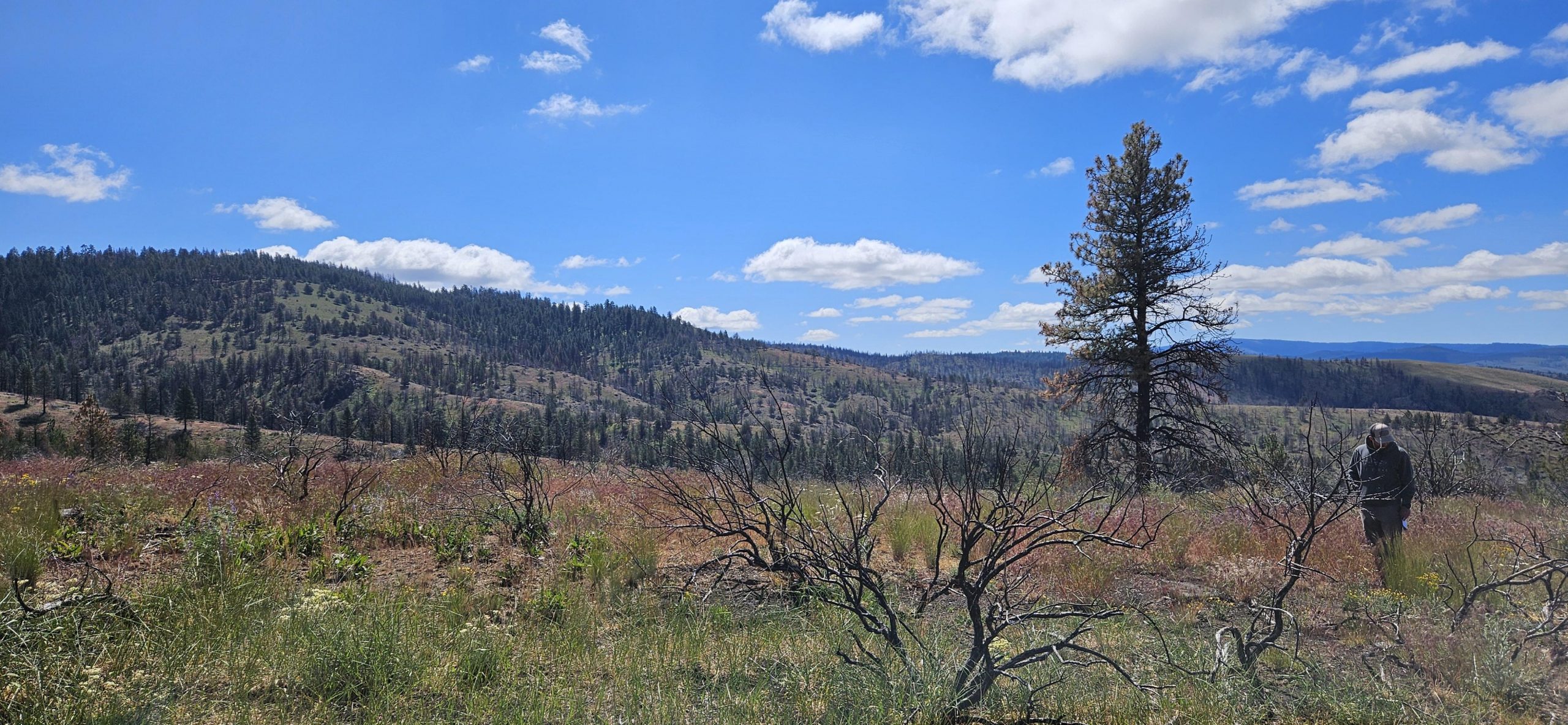
In addition to the NWTF, representatives from the USDA Forest Service, Oregon Department of Fish and Wildlife, Washington Department of Fish and Wildlife and the Rocky Mountain Elk Foundation spent two days touring active restoration projects across eastern Oregon, including the NWTF-supported Sunflower Project near Paulina, Oregon.
During discussions at the project site, the unmistakable gobble of a wild turkey echoed across the landscape — a fitting reminder of the impact that collaborative habitat restoration can have for wildlife.
"Partnerships like the Blue Mountain Elk Initiative demonstrate that meaningful conservation happens when organizations work together toward a common goal," said Krista Modlin, NWTF district biologist for California, Oregon, Washington and Nevada. "While the NWTF's mission centers on the conservation of the wild turkey, healthy turkey habitat supports entire ecosystems. By bringing our expertise and stewardship authorities to the table, we're helping restore landscapes that benefit wild turkeys, elk, mule deer, sage grouse, pronghorn and many other species."
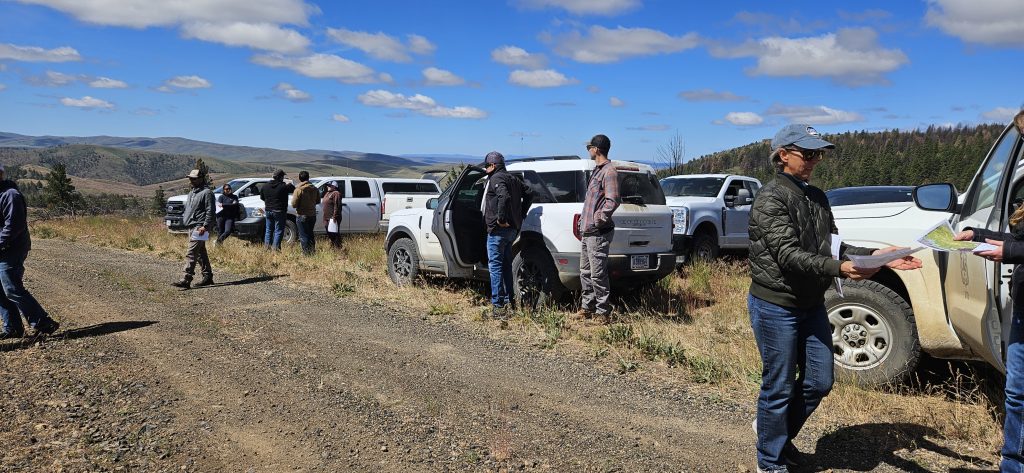
Established in 1990, the Blue Mountain Elk Initiative has grown into one of North America's largest and most successful landscape-scale wildlife partnerships. The NWTF joined the initiative in 2015, expanding its role in restoring forest and rangeland habitats across Oregon and Washington through stewardship agreements and challenge cost-share partnerships.
One example is the Sunflower Project on the Ochoco National Forest. Located in an area where wild turkeys were successfully reintroduced in 2000 and 2006, the project focused on removing encroaching western juniper to restore sagebrush and bitterbrush habitats. These treatments improved winter forage and habitat for a broad suite of wildlife while increasing ecosystem resilience.
According to Monty Gregg, forest wildlife biologist for the Forest Service and Blue Mountain Elk Initiative operations coordinator, the NWTF has become an essential implementation partner.
"NWTF has added capacity to the Blue Mountain Elk Initiative through both their administrative and contracting capacity, alleviating stress on the agencies contracting capacity as well as streamlining projects," Gregg said. " There are very few NGO’s that have the staff to administer stewardship agreements. NWTF has been a partner that has taken on the implementation of many projects on the BMEI landscape utilizing the stewardship agreements."
For the NWTF, participating in initiatives like the Blue Mountain Elk Initiative reflects a simple conservation principle: healthy habitats don't recognize organizational boundaries. Whether restoring ponderosa pine forests, improving oak woodlands or removing invasive western juniper, habitat work that benefits wild turkeys also strengthens watersheds, improves biodiversity, reduces wildfire risk and supports healthy populations of numerous wildlife species.
"The work that is completed by the Blue Mountain Elk Initiative and their partners is not only beneficial to elk but a variety of other species," Gregg said. "The scale in which habitat restoration needs to occur cannot be accomplished by a single organization, that is why the Blue Mountain Elk Initiative is unifying our conservation partners and utilizing each for the strengths to conduct landscape-scale treatments benefitting ecosystem and ecosystem function."
For NWTF members, seeing the organization involved in projects that also focus on elk or broader ecosystem restoration underscores the federation's long-standing conservation philosophy: restoring habitat for wild turkeys means restoring healthy, functioning landscapes for all wildlife.
"As conservation challenges continue to grow across the West, collaboration has never been more important," Modlin said. "Working alongside our partners allows us to accomplish more together than any one organization could achieve alone, ensuring these landscapes remain productive and resilient for wildlife and future generations."
About the National Wild Turkey Federation
Since 1973, the National Wild Turkey Federation has invested over half a billion dollars into wildlife conservation and has positively impacted over 25 million acres of critical wildlife habitat. Since 2022, the NWTF has also invested over $2.3 million in critical wild turkey research that, when leveraged with partner contributions, has resulted in more than $22 million to guide the management of the wild turkey and to ensure sustainable populations. The organization continues to deliver its mission by working across boundaries on a landscape scale to create healthy forests and wildlife habitats, clean and abundant water, resilient communities and robust recreational opportunities. With the help of its dedicated members, partners and staff, the NWTF is committed to creating a nation united by the life-changing power of the outdoors.