NWTF Helps Expand Minnesota’s Newest WMA
The NWTF is helping expand public access and habitat conservation on a newly established wildlife management area through the Upper Bottle Lake Turkey Habitat Protection and WMA Expansion project. The Minnesota NWTF State Chapter contributed $10,000 toward the purchase of a 40-acre parcel that will soon be added to the newly minted Mantrap Lake WMA, expanding the area to nearly 490 acres.
“Increasing the amount of land that we can turkey hunt and manage for habitat hits directly on our mission,” said Ralph Warzecha, Minnesota NWTF State Chapter president. “The Minnesota NWTF State Chapter is proud to join so many great partners that contribute to projects that help conserve the wild turkey and preserve our hunting heritage.”
The initial 450-acre property was acquired through a partnership between Northern Waters Land Trust, Minnesota Land Trust, the Minnesota Department of Natural Resources and other conservation partners. The land has biological significance and helps the DNR and partners move closer to the 75% watershed protection goal established for healthy waterways in Minnesota. When the opportunity arose to expand these new public lands, the NWTF stepped up.
A dedication ceremony was held June 25 near Park Rapids to celebrate the new Mantrap Lake WMA, which is the newest addition to Minnesota’s WMA system. The dedication also comes during a milestone year, as Minnesota’s WMA system celebrates its 75th anniversary.
When the WMA program began, it had a goal of managing 250,000 acres across the state. Today, the DNR manages more than 1,500 WMAs, totaling 1.4 million acres. That does not include other state-owned and managed lands, such as aquatic management areas, scientific and natural areas, state forests or state parks.
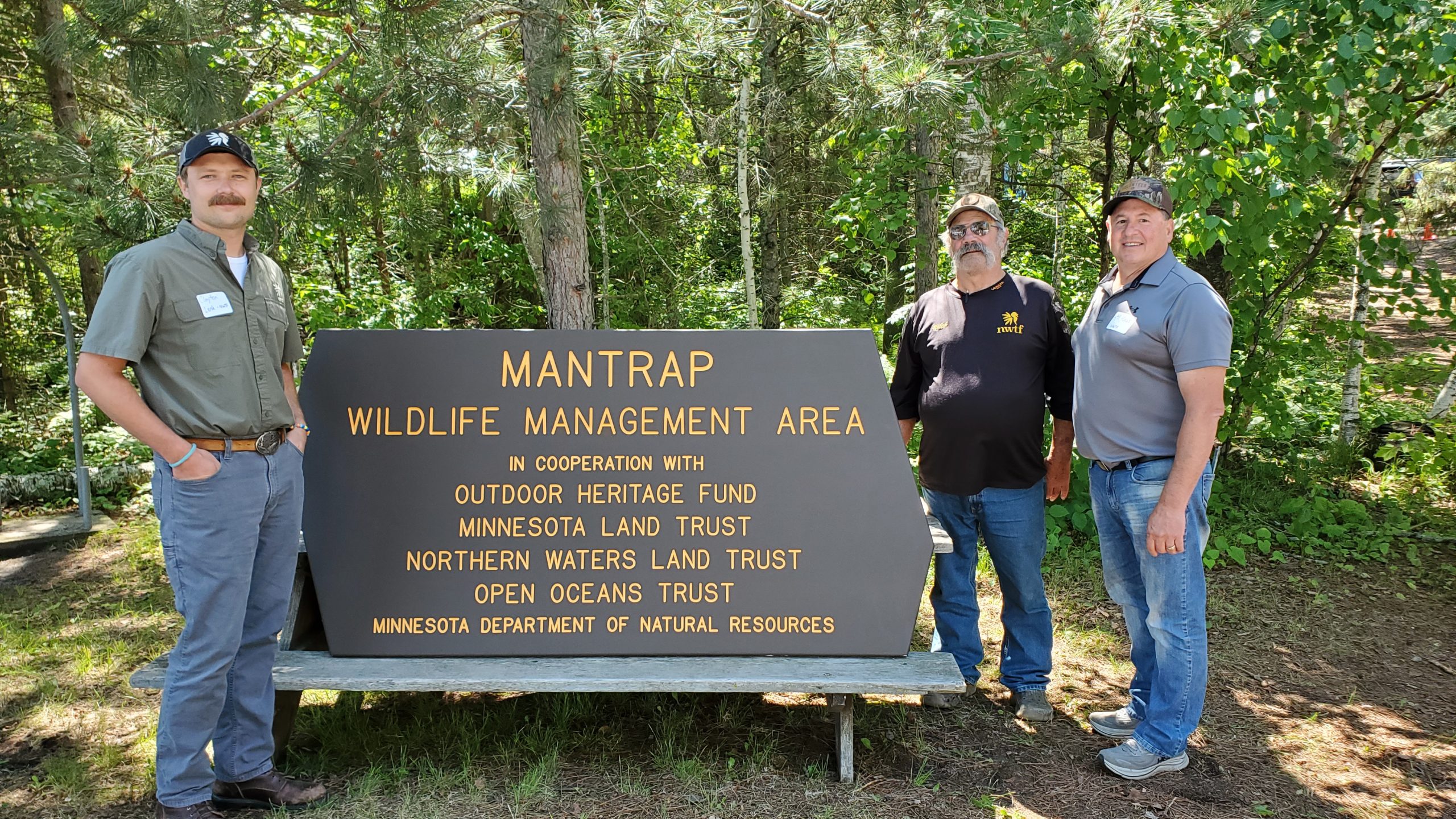
Representing the NWTF at the dedication were Warzecha; Al Haus, Minnesota State Chapter board member; and Clayton Lenk, NWTF district biologist.
“The opportunity to come together and rally around land protection and public access is something NWTF is very proud to be part of and see it as an excellent use of the conservation funds we raise,” Lenk said. “These parcels not only benefit the hunter, but also the fishermen, the bird watcher and every other outdoor recreationalist.”
The 40-acre Upper Bottle Lake parcel is in Hubbard County, adjacent to Mantrap Lake. Acquired in December 2025, it is in the process of being transferred to the DNR to be managed as part of the Mantrap Lake WMA. The project is supported by the NWTF and the Outdoor Heritage Fund, with a total project cost of $831,000.
The 40-acre addition includes a quarter mile of shoreline, representing 6.7% of Upper Bottle Lake’s total shoreline. The lake and surrounding watershed have been identified as a conservation priority by the DNR and The Nature Conservancy.
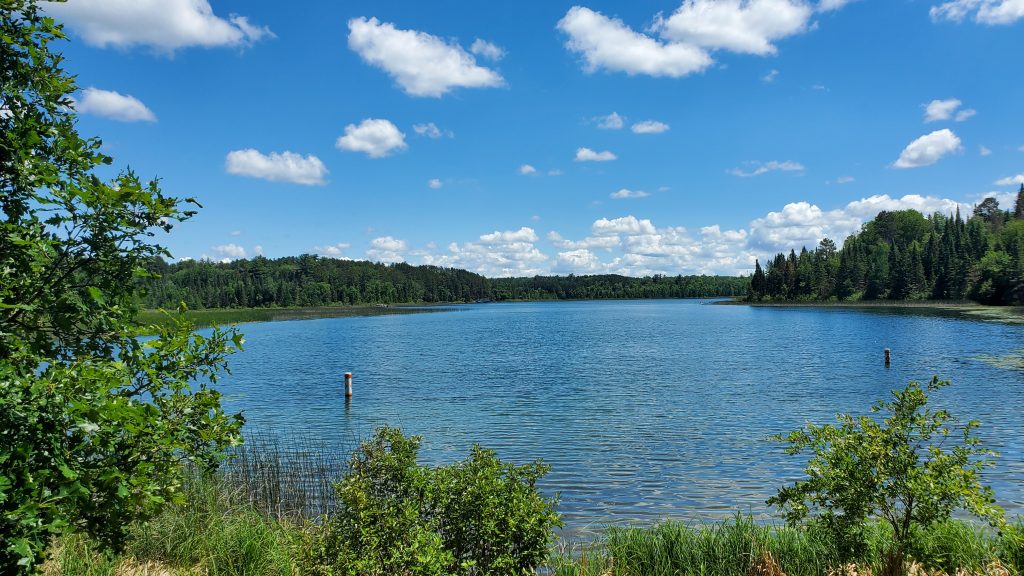
By securing the property, partners will protect shoreline and nearby forested habitat in the Upper Bottle Lake sub watershed, an area with limited public land access. The addition will also provide new public hunting opportunities, including turkey hunting, in a landscape of mixed forests and wetlands along the shores of a wild rice lake.
The project will also benefit white-tailed deer, ruffed grouse, American woodcock, black bear, waterfowl, upland birds and aquatic species. Protecting shoreline on Upper Bottle Lake will help support wild rice beds, water quality and fisheries, including muskellunge, northern pike, crappie and tullibee.
Once the Upper Bottle Lake parcel is transferred to the DNR, the benefits will be permanent. The land will be protected and managed for wildlife habitat and public recreation. NWTF’s contribution will be recognized through permanent signage at the new WMA addition.
Together, the Mantrap Lake WMA dedication and Upper Bottle Lake expansion show how partnerships can conserve important habitat, improve public access and create new opportunities for hunters and outdoor users in north-central Minnesota.