NWTF Joins White Oak Initiative Partners to Advance Sustainable Forest Management
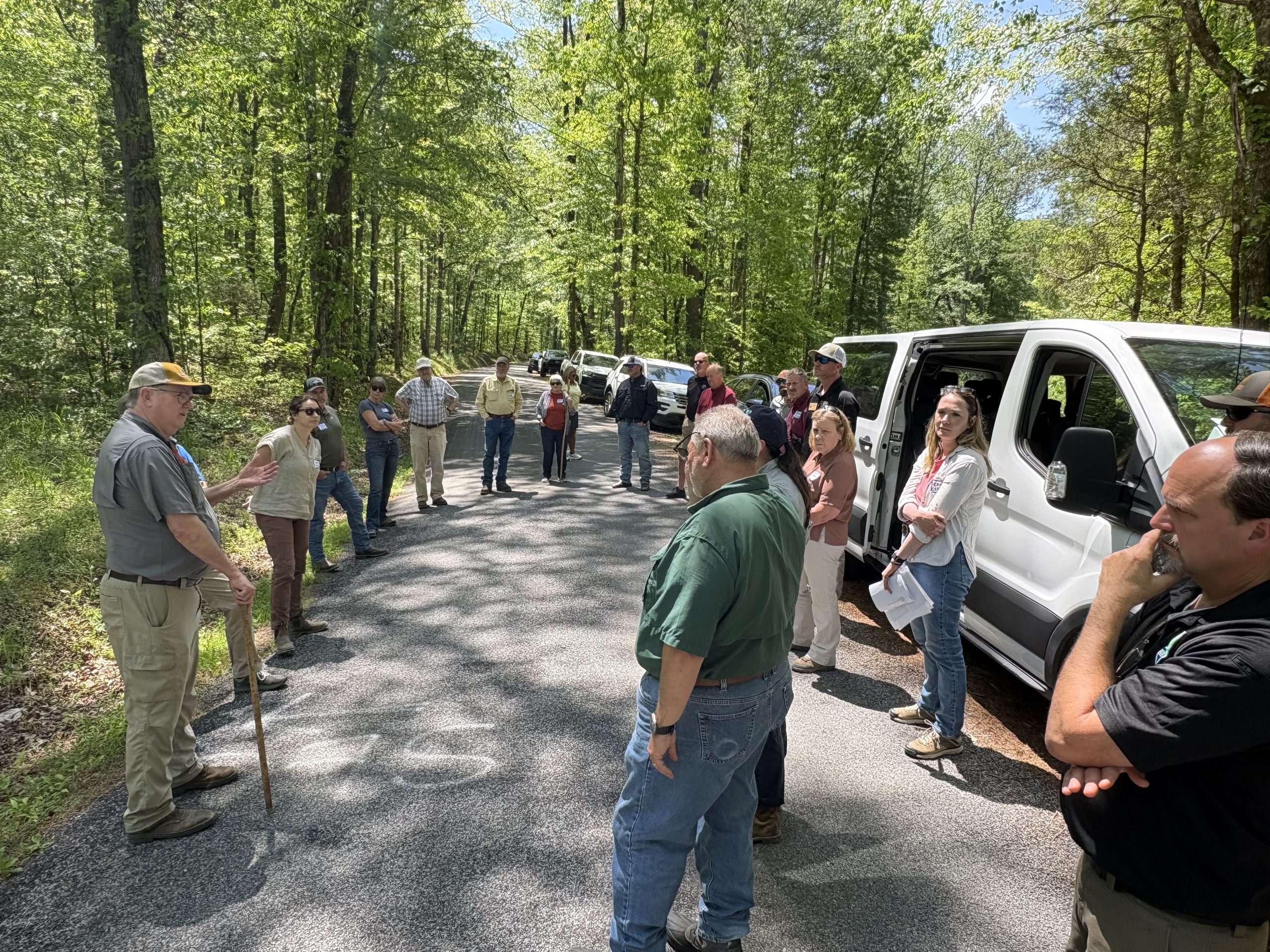
EDGEFIELD, S.C. — Chattanooga Whiskey recently invited partners of the White Oak Initiative (WOI), including the National Wild Turkey Federation, to attend a tour of their facilities and a field day hosted by the Tennessee Forestry Association. The field day, sponsored by the Dendrifund, served as a space for partners to talk about the sustainability of white oak supply.
The White Oak Initiative advocates and supports sustainable forest management with a focus on white oak regeneration, which is accomplished through convening, connecting and collaborating with stakeholders to increase the economic, social and ecological benefits of upland oak forests.
“WOI is a strong collaboration of researchers and industry leaders working together to ensure the long-term sustainability of white oak forests,” said Doug Little, NWTF director of conservation operations and WOI board member. “During the spring turkey season, there will be many hunters working gobblers in oak woods. Hens that fed on acorns during the fall and winter will be in much better condition to nest this spring, and with any luck, many of those hens will successfully raise broods that will be relying on oak flats, ridges and savannas for acorns this coming fall. The regeneration of white oak supports the regeneration of the wild turkey.”
WOI also includes representatives from the whiskey and bourbon industries, like Chattanooga Whiskey, which is important as the demand for white oak increases with the rise in popularity of Tennessee whiskey and Kentucky bourbon.
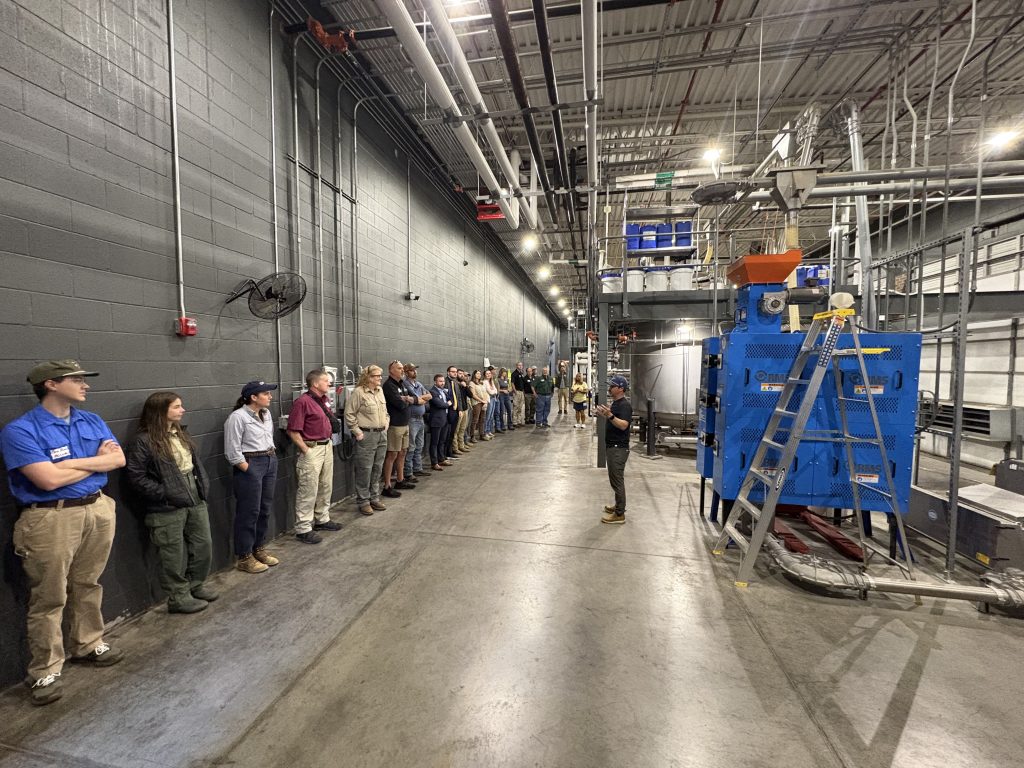
“To make a true Kentucky bourbon or Tennessee whiskey, you must age that spirit in a virgin white oak barrel,” said Tim Phelps, NWTF wood utilization specialist. “Because of that connection, we started the day with a tour of Chattanooga Whiskey where we were able to see the barrels, the fermentation tanks and the bottling line up close. It was interesting to see the diversity of stakeholders who showed up in support of white oak regeneration. When enough people across the supply chain and marketplace care about the outcome and stay engaged, conservation and wood use can work together.”
After the whiskey tour, attendees were invited to participate in a roundtable where everyone was able to introduce themselves and their organization. Phelps shared about the parallels between the conservation success of the wild turkey and the WOI.
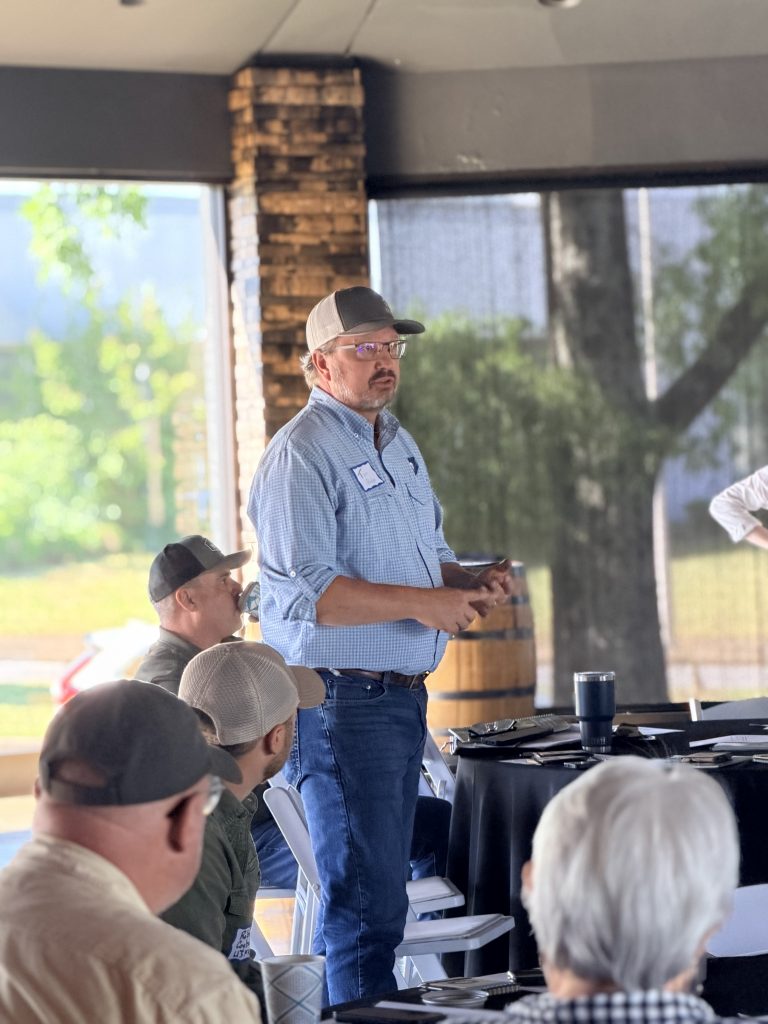
“The Cumberland In‑Person Roundtable highlighted how many people and organizations have a stake in the future of upland oak forests,” said Erin Gabbert, Cumberland Plateau partnerships coordinator. “It’s a rare and valuable opportunity to bring representatives from the wood industry, conservation groups, land managers and policymakers into the same room to connect, share perspectives and focus on solutions. This underscores the central role white oak plays in the health of our forests and the well‑being of local communities. The regeneration challenges facing this species are larger than any one organization, which is why partnerships with the National Wild Turkey Federation and other NGOs are so essential. By combining our strengths and advancing science‑based strategies, we can ensure white oak and our upland oak ecosystems remain healthy and sustainable for generations to come.”
About 75% of white oak on the landscape is in what foresters call a mature age class, which is not sustainable. In the near future, the forest industry can continue to harvest older white oak trees, but without regeneration, there could be a gap in the supply chain. White oaks require sunlight and disturbance to thrive, but closed canopies from mature trees shade out the next generation. In the Eastern United States, where white oaks are native, private landownership dominates the landscape, and these unmanaged acres collectively limit the future of oak forests and the wildlife that depend on them.
The WOI and the NWTF encourage science-based, active forest management because it leads to improved wildlife habitat and the regeneration of white oak forests. During the Tennessee Forestry Association tour, attendees were able to tour a recent white oak regeneration site with a local forester who works with private landowners.
The forester leading the tour noted that many private landowners he works with aren’t as interested in timber harvests; their primary interest is taking care of the land so it can be passed on to future generations within the family.
“It was interesting to hear how the forester initially connected with private landowners,” Phelps said. “The conversation ultimately was rooted in conservation ethics. Landowners want to make sure that the next generation of their family has access to wide open spaces, and I think that's a very common thread for us to keep in mind.”
About the National Wild Turkey Federation
Since 1973, the National Wild Turkey Federation has invested over half a billion dollars into wildlife conservation and has positively impacted over 25 million acres of critical wildlife habitat. Since 2022, the NWTF has also invested over $2.3 million in critical wild turkey research that, when leveraged with partner contributions, has resulted in more than $22 million to guide the management of the wild turkey and to ensure sustainable populations. The organization continues to deliver its mission by working across boundaries on a landscape scale to deliver healthy forests and wildlife habitats, clean and abundant water, resilient communities and robust recreational opportunities. With the help of its dedicated members, partners and staff, the NWTF continues to unite a nation through the life-changing power of the outdoors.