NWTF Missouri Invests in Prescribed Fire for Healthier Forests and Wildlife
EDGEFIELD, S.C. — The National Wild Turkey Federation’s Missouri State Chapter continues to fuel conservation efforts on the Mark Twain National Forest, allocating $32,000 this year toward prescribed fire efforts that benefit wildlife, improve forest health and help safeguard local communities.
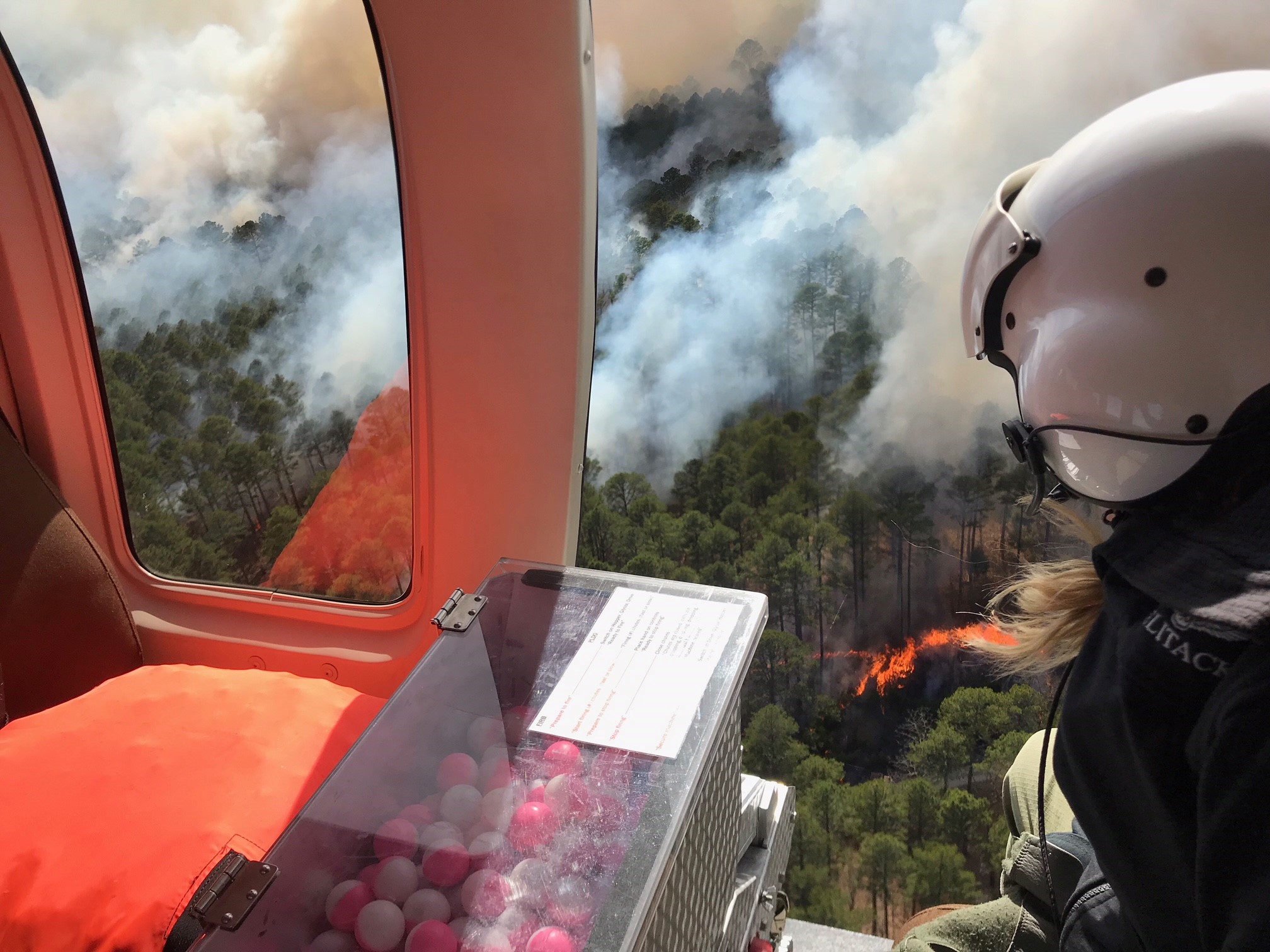
The funding supported aerially ignited prescribed burns across the Mark Twain National Forest, providing the USDA Forest Service with 123 boxes of Dragon Eggs Aerial Ignition Spheres — specialized devices that make it possible to safely and effectively ignite large prescribed burn areas from the air.
Fire is not only natural — it’s essential. Much of the Mark Twain National Forest consists of oak-hickory woodlands and southern pine that depend on fire to thrive. Without it, habitat quality declines, invasive species take hold, and hazardous fuels like dead wood and leaves accumulate.
Prescribed fire mimics the natural process, clearing out overgrowth, recycling nutrients and maintaining conditions that turkeys and other wildlife need for nesting, brooding and feeding. It’s also one of the most cost-effective tools land managers have for keeping forests resilient and communities safe.
Crews with the Forest Service conducted prescribed fire operations on all three zones of the Mark Twain National Forest. Due to the large size of the prescribed fire units, aerial ignition was utilized to ignite the interior of the units. Crews dropped the small Dragon Egg spheres from aircraft, each producing a short-lived flame that spreads fire in a controlled, effective pattern across thousands of acres.
This method is not new to the national forest, as the forest sees an average of 45,000 to 60,000 acres of prescribed burning each year, with the majority of those acres accomplished through aerial ignition. Within the last year, approximately 70,000 acres were impacted by prescribed burn efforts, with a minimum of 40,000 acres accomplished through aerial ignition.
“Come the third week of April, the 1.6-million-acre Mark Twain National Forest has historically been a popular destination for Eastern turkey hunters across the nation,” said John Burk, NWTF district biologist for Missouri, Iowa and Illinois. “The rolling oak hickory hills with clear water streams and rivers in most of the valleys throughout the Ozarks is a wonderfully scenic landscape to chase spring turkeys. We value our relationship with the Forest Service through stewardship agreements and projects like this one that enable us to positively impact the turkey resource at the landscape level. The Mark Twain National Forest falls within the Habitat for the Hatch Initiative landscape, and prescribed burning is the most effective way to create and maintain quality nesting habitat in close proximity to quality brood rearing habitat. The work we are doing here is making a difference.”
The NWTF recognizes prescribed burning as a cornerstone of conservation. Beyond creating quality wildlife habitat, it keeps forests resilient, reduces wildfire risk and protects nearby communities. By investing in these tools, the NWTF and its partners are working together to meet the ongoing challenges facing our forests and to safeguard natural resources across the country for generations to come.
About the National Wild Turkey Federation
Since 1973, the National Wild Turkey Federation has invested over half a billion dollars into wildlife conservation and has positively impacted over 24 million acres of critical wildlife habitat. The NWTF has also invested over $10 million into wild turkey research to guide the management of the wild turkey population and to ensure sustainable populations into perpetuity. The organization continues to deliver its mission by working across boundaries on a landscape scale through its Four Shared Values: clean and abundant water, healthy forests and wildlife habitat, resilient communities, and robust recreational opportunities. With the help of its dedicated members, partners and staff, the NWTF continues its work to provide Healthy Habitats. and Healthy Harvests. for future generations.