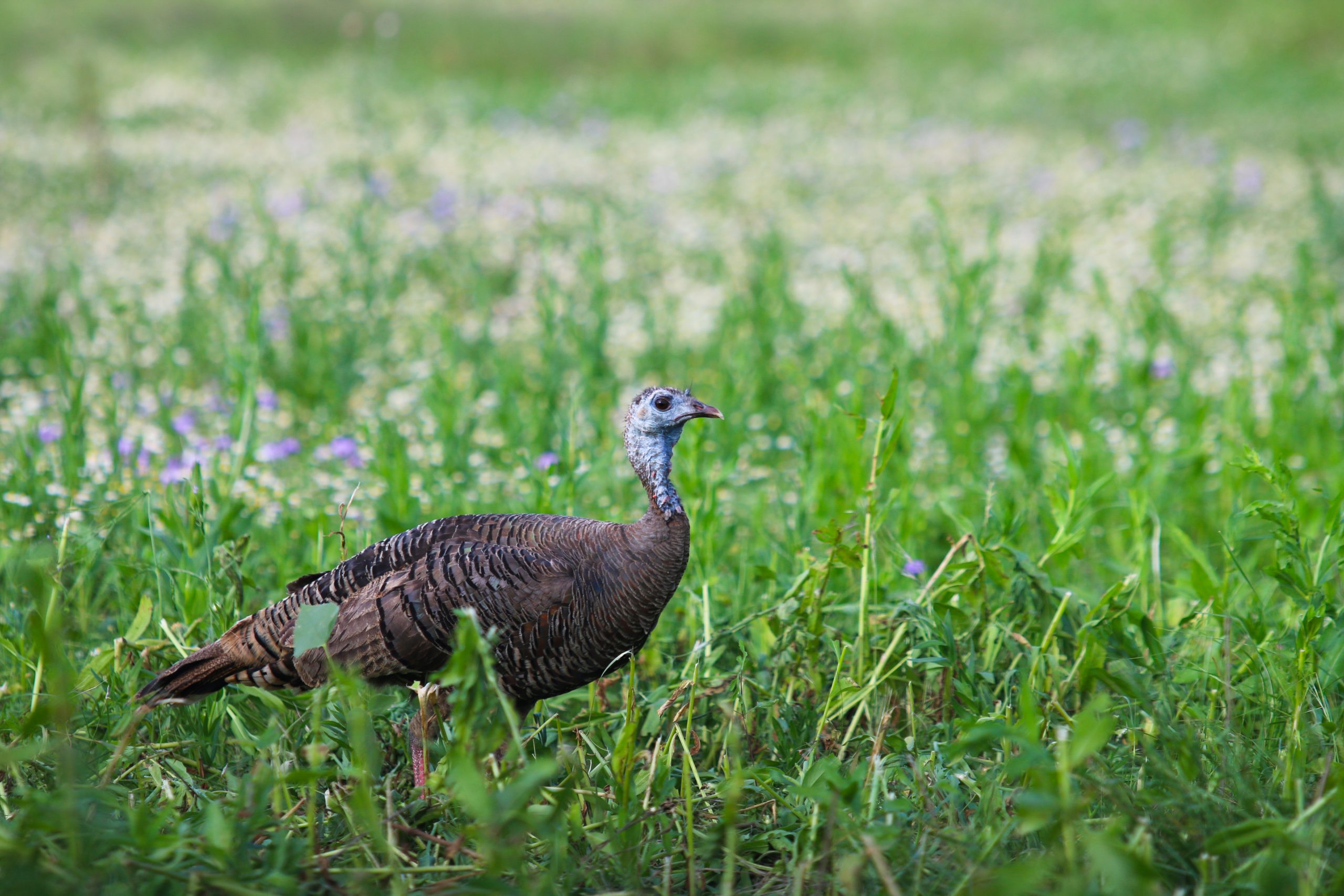
NWTF Opens New Funding to Expand Habitat for the Hatch Initiative
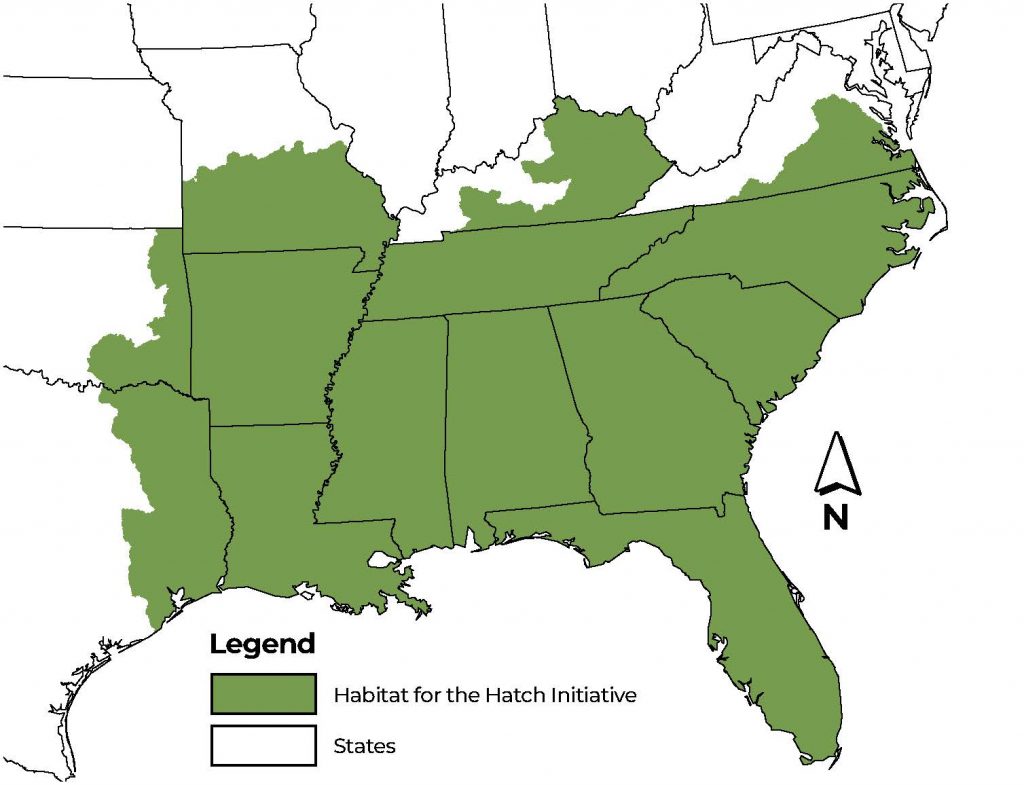
EDGEFIELD, S.C. — The NWTF’s Habitat for the Hatch Initiative is opening up new funding opportunities for conservation partners within the initiative's Southeastern priority landscape, accelerating projects that directly enhance vital nesting and brood-rearing habitat for wild turkeys.
The new Habitat for the Hatch initiative-specific request for proposals invites eligible partners to apply for 2026 funding that will put more acres of critical habitat on the ground, a vital step in reversing regional population declines and ensuring the overall conservation for the iconic bird.
Eligible parties for funding in 2026 include federal, state and local agencies and entities; conservation organizations; and colleges and universities. Submitted proposals should outline the conservation outcome for wild turkeys specifically in regard to nesting and brood-rearing habitat on public and/or private lands.
Proposals should be submitted here and are due by Jan. 30, 2026.
“Thanks to NWTF state chapters in the Southeast, private landowners, non-profit conservation organizations and our state and federal agency partners, the NWTF’s Habitat for the Hatch Initiative has already established over 150,000 acres quality nesting habitat in proximity to brood-rearing habitat and — through support of burn teams and equipment purchase — has influenced 300,000-plus acres of nesting and brood-rearing habitat, in just two years,” said Derek Alkire, NWTF district biologist. “Now, because of NWTF state chapters, NWTF major donors and corporate partners’ generous financial contributions, we have an extraordinary opportunity to fund landscape-scale projects that go above and beyond what we are already accomplishing for Habitat for the Hatch.”
Launched in August 2023, Habitat for the Hatch has contributed 150,895 acres toward its 2033 target of 1 million acres directly benefitting nesting and brooding success. An additional 300,000 acres have been positively influenced through enhanced prescribed burning capacity and equipment purchases — acres that are critical in providing the open, diverse structure that hens and poults need to survive. Combined, this work represents one of the NWTF’s most concentrated and impactful efforts to stabilize and bolster wild turkey populations in the Southeast.
Why Brood-Rearing Habitat Matters
Habitat loss has accelerated across much of the Southeast, driven by land-use changes, development and the decline of active forest management.
"Hens and poults already have a difficult time during the nesting and brood-rearing phase," Alkire said. "Lack of active forest management and disappearing habitat only makes it harder for the species. Habitat for the Hatch is designed to put more of the critical nesting and brood-rearing habitat on the ground so more poults can make it to adulthood."
Nesting cover and quality brood habitat are the two most limiting factors for wild turkey recruitment. Without bug-rich, open, grassy habitat for young poults and secure nesting structure for hens, populations struggle. That’s why the NWTF’s Habitat for the Hatch Initiative focuses precisely on creating and improving habitat types proven to boost poult survival.
The NWTF’s Habitat for the Hatch Initiative dovetails into the NWTF’s other regionally based conservation initiatives, including the Forests and Flocks Initiative, the Roots to Roost Initiative and the Waterways for Wildlife Initiative.
About the National Wild Turkey Federation
Since 1973, the National Wild Turkey Federation has invested over half a billion dollars into wildlife conservation and has positively impacted over 24 million acres of critical wildlife habitat. The NWTF has also invested over $10 million into wild turkey research to guide the management of the wild turkey population and to ensure sustainable populations into perpetuity. The organization continues to deliver its mission by working across boundaries on a landscape scale through its Four Shared Values: clean and abundant water, healthy forests and wildlife habitat, resilient communities, and robust recreational opportunities. With the help of its dedicated members, partners and staff, the NWTF continues its work to provide Healthy Habitats. and Healthy Harvests. for future generations.