NWTF Pennsylvania Boosts Pollinator Habitat Efforts
EDGEFIELD, S.C. — The Pennsylvania State Chapter of the National Wild Turkey Federation recently provided $11,000 to the Pennsylvania Department of Conservation and Natural Resources to purchase native seed mixes for a new habitat enhancement project within the Sproul State Forest, a 305,000-acre tract of public lands managed for wildlife and forest health.
The treatment consists of a native seed planting on a 100-acre area of a larger 855-acre timber sale project. The selected seed mix aims to be fire-resilient, competitive enough to resist being overtaken by existing site vegetation and includes species beneficial to pollinators, such as partridge pea, common yarrow, goldenrod, black-eyed Susans and more.
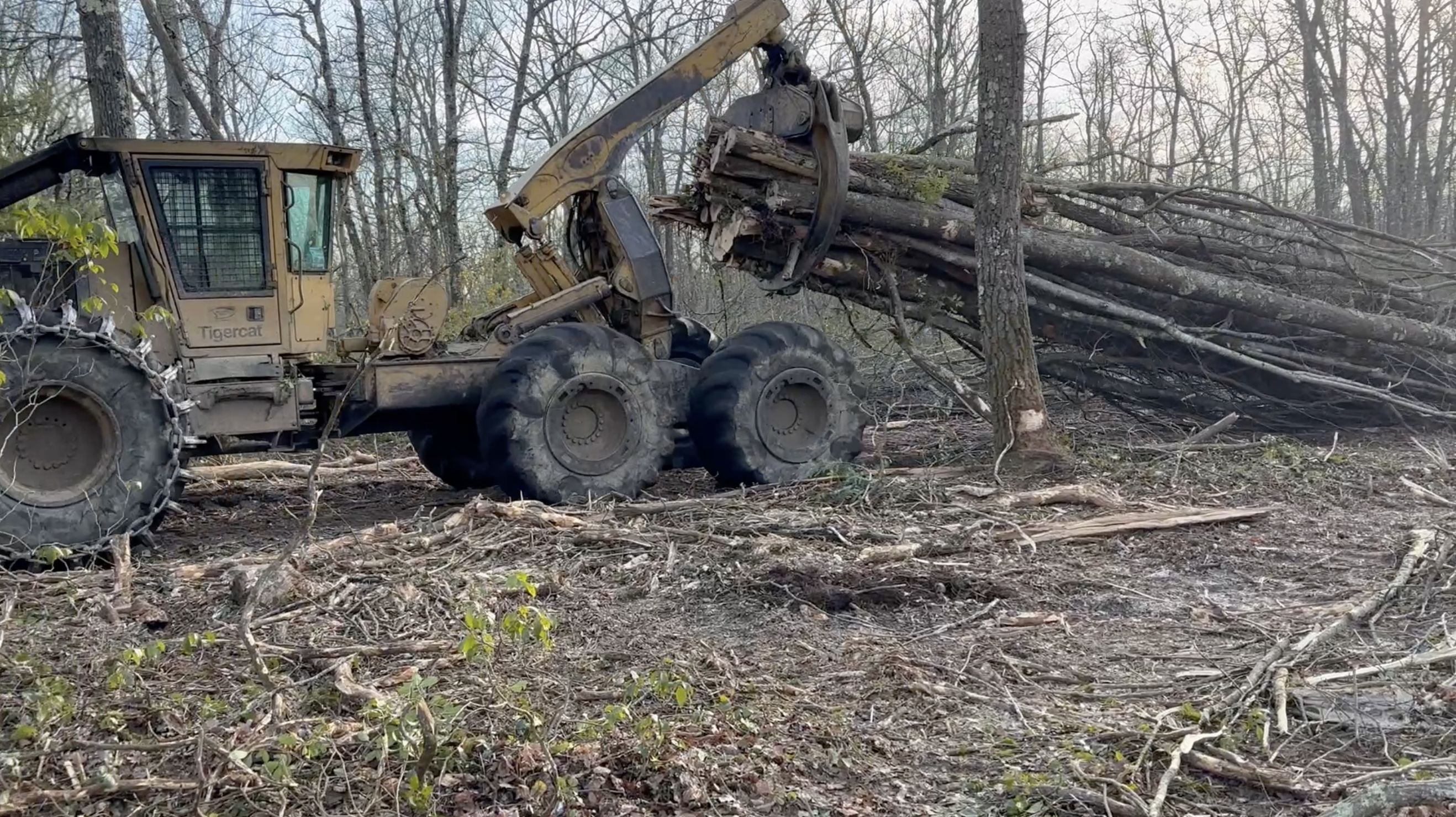
Before planting the native seed mix, a timber harvest will prepare the site by breaking up the interfering mountain laurel. The harvest prescription focuses on retaining larger oaks and conifers while harvesting a large portion of the overstory. The resulting landscape will be oak-dominated, with characteristics of an open woodland, including reduced canopy cover, less understory competition from mountain laurel and sassafras, and exposed mineral soil that encourages natural regeneration.
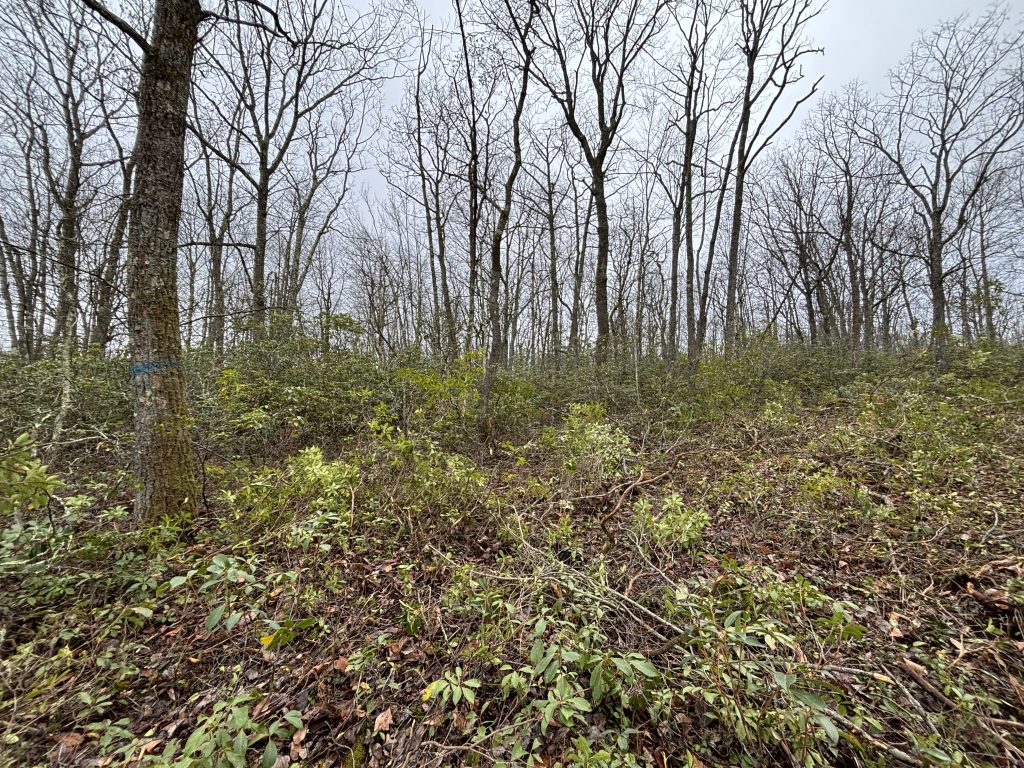
After the native seed planting, prescribed fire rotations will be used in the future to help maintain the oak-woodland habitat by suppressing the competing regeneration of sassafras, birch and the less desirable red maple. The initial prescribed burns are anticipated to occur approximately two or three years after this year’s timber harvest, followed by subsequent burns every four to seven years.
Postharvest treatment may also include herbicide application and conifer planting — particularly pitch pine — to diversify the stand and suppress undesirable understory growth. The intended outcome is a more open, fire-adapted forest structure that supports oak regeneration, enhances biodiversity and promotes long-term forest resilience.
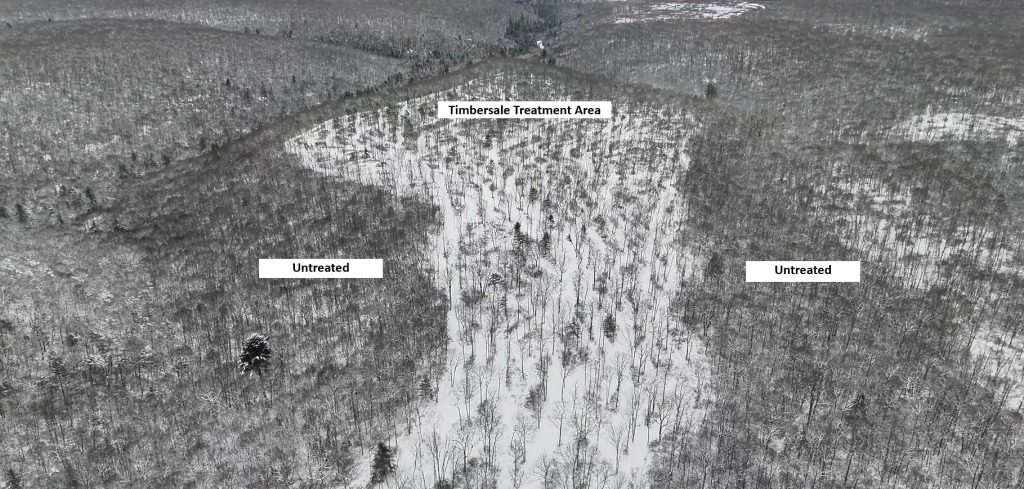
Both the timber sale and the seeding project will significantly improve habitat quality, benefiting many wildlife species, including wild turkeys, which will benefit from improved nesting and brooding habitat.
Habitat projects like this one are in alignment with the Forests and Flocks Initiative, which aims to support wild turkeys throughout their annual cycle by establishing critical nesting habitat in the spring, brood-rearing habitat in the summer and forest structure needed to sustain birds year-round. Retaining larger oaks within the project boundaries will also provide hard and soft mast-bearing trees that help wild turkeys make it through the winter.
“The NWTF is proud to work closely with our state agencies to create healthier wildlife habitat,” said Mitch Blake, NWTF district biologist. “The Sproul State Forest habitat enhancement project is a great example of what the Forests and Flock Initiative is working to achieve: creating the diverse habitat wild turkeys need throughout their annual cycle, including quality nesting and brood-rearing habitat. Pennsylvania State Forests provide great habitat for most of the year, but commonly lack the low-growing, herbaceous habitat that promotes insect production utilized by hens during the brood-rearing period. Planting native forbs and managing the area with fire will perpetually promote brood-rearing habitat on the landscape and provide wild turkeys with year-round habitat on this portion of the Sproul.”
About the National Wild Turkey Federation
Since 1973, the National Wild Turkey Federation has invested over half a billion dollars into wildlife conservation and has positively impacted over 25 million acres of critical wildlife habitat. Since 2022, the NWTF has also invested over $2.3 million in critical wild turkey research that, when leveraged with partner contributions, has resulted in more than $22 million to guide the management of the wild turkey and to ensure sustainable populations. The organization continues to deliver its mission by working across boundaries on a landscape scale to deliver healthy forests and wildlife habitats, clean and abundant water, resilient communities and robust recreational opportunities. With the help of its dedicated members, partners and staff, the NWTF continues to unite a nation through the life-changing power of the outdoors.