NWTF Supports Reauthorization of Great Lakes Restoration Initiative
The National Wild Turkey Federation supports continued congressional efforts to reauthorize the Great Lakes Restoration Initiative, a federal program that has helped the NWTF and its partners restore critical wildlife habitat across the Great Lakes region.
The U.S. Senate unanimously passed the Great Lakes Restoration Initiative Act of 2026, S. 528, on Sept. 29. The legislation would authorize $475 million annually for the GLRI from fiscal years 2027 through 2030. The measure was received by the House on Oct. 5 and has not yet been enacted into law.
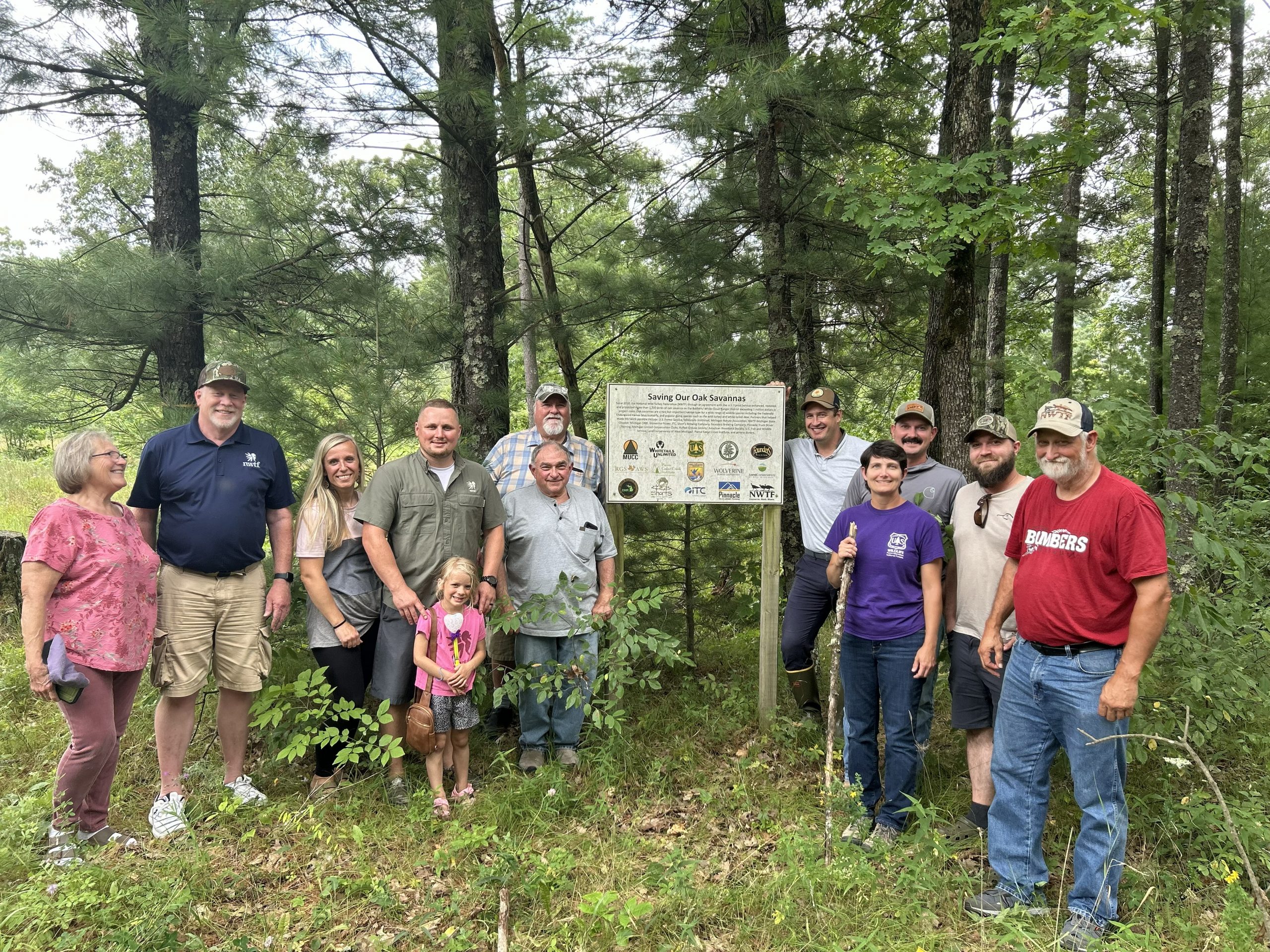
For the NWTF, GLRI funding has helped turn federal investment into on-the-ground habitat work in Michigan, particularly on the Huron-Manistee National Forests.
Through our stewardship agreements with the USDA Forest Service, the NWTF has secured more than $1,685,000 in GLRI funding in recent years. Those dollars have supported work to restore oak savannas and other open habitats while expanding habitat for the federally endangered Karner blue butterfly.
Oak savannas are open woodlands where scattered oak trees grow above grasses, wildflowers and other ground-level vegetation. Once much more common across the region, these habitats have become increasingly rare. Restoring them creates important nesting, brood-rearing and foraging habitat for wild turkeys while benefiting a wide range of other wildlife.
“GLRI funding support has allowed us to expand our efforts and impact on these imperiled habitats while expanding the population and distribution of federally threatened and endangered species," said Ryan Boyer, NWTF director of conservation operations in the Midwest. "Not to mention, these unique oak savanna systems are some of the highest quality brood-rearing cover we have in the state of Michigan.”
The work in Michigan also demonstrates how GLRI funding can reach far beyond the initial federal investment. Since 2010, every GLRI dollar invested in this collaborative effort has been matched with at least $4 — and in some cases as much as $8 — from other funding sources.
That investment has helped build a partnership of more than 49 organizations working across western and southwestern Michigan to restore and connect oak savannas, oak-pine barrens, upland openings and other important habitats.
The work includes prescribed fire, forest stand improvement, tree and shrub planting, planting native grasses and wildflowers and controlling invasive species. Together, these practices help return sunlight and native vegetation to the forest floor, creating healthier and more connected habitat for wild turkeys, pollinators, white-tailed deer, American woodcock and numerous other species.
That connectivity is especially important for the wild turkey and species like the Karner blue butterfly. Restoring and connecting oak savannas across the landscape gives wildlife more usable habitat while allowing conservation work on individual properties and public lands to have a much greater impact.
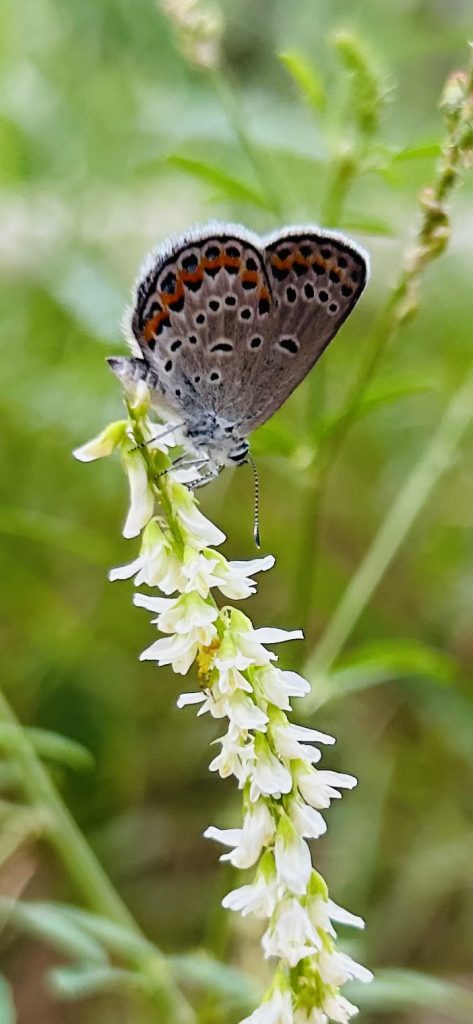
"Through the collaborative efforts between the Forest Service and the NWTF along with the supporting partners, our oak savanna restoration efforts have supported the expansion of occupied Karner blue butterfly habitat from 300 acres to more than 2,200 acres on the forest," Boyer said. "The response of the KBB along with wild turkeys and other game and non-game species has been tremendous."
GLRI-supported conservation has become one piece of a much larger habitat effort in Michigan. Separate funding secured through the Michigan Department of Natural Resources Wildlife Habitat Grant Program has further expanded the NWTF’s work. While those grants are separate from GLRI funding, the partnerships and conservation capacity built through years of stewardship have allowed the NWTF and its partners to continue increasing their collective impact.
Continued authorization of the GLRI would allow the NWTF, the Forest Service and other conservation partners to build on years of collaborative work across the Great Lakes region.
With Senate passage complete, the NWTF supports continued congressional action to reauthorize the program and continue investing in habitat restoration that benefits wildlife, public lands and the communities surrounding them.