NWTF Waterways for Wildlife Project Restores Riparian Habitat in Wyoming
Along Baldwin Creek near Lander, Wyoming, a collaborative conservation effort through the National Wild Turkey Federation's Waterways for Wildlife Initiative is helping restore the health of an important riparian corridor. With invasive Russian olive trees removed from portions of the watershed, the landscape has a new opportunity to support native vegetation, healthier waterways and improved habitat for wild turkeys and other wildlife.
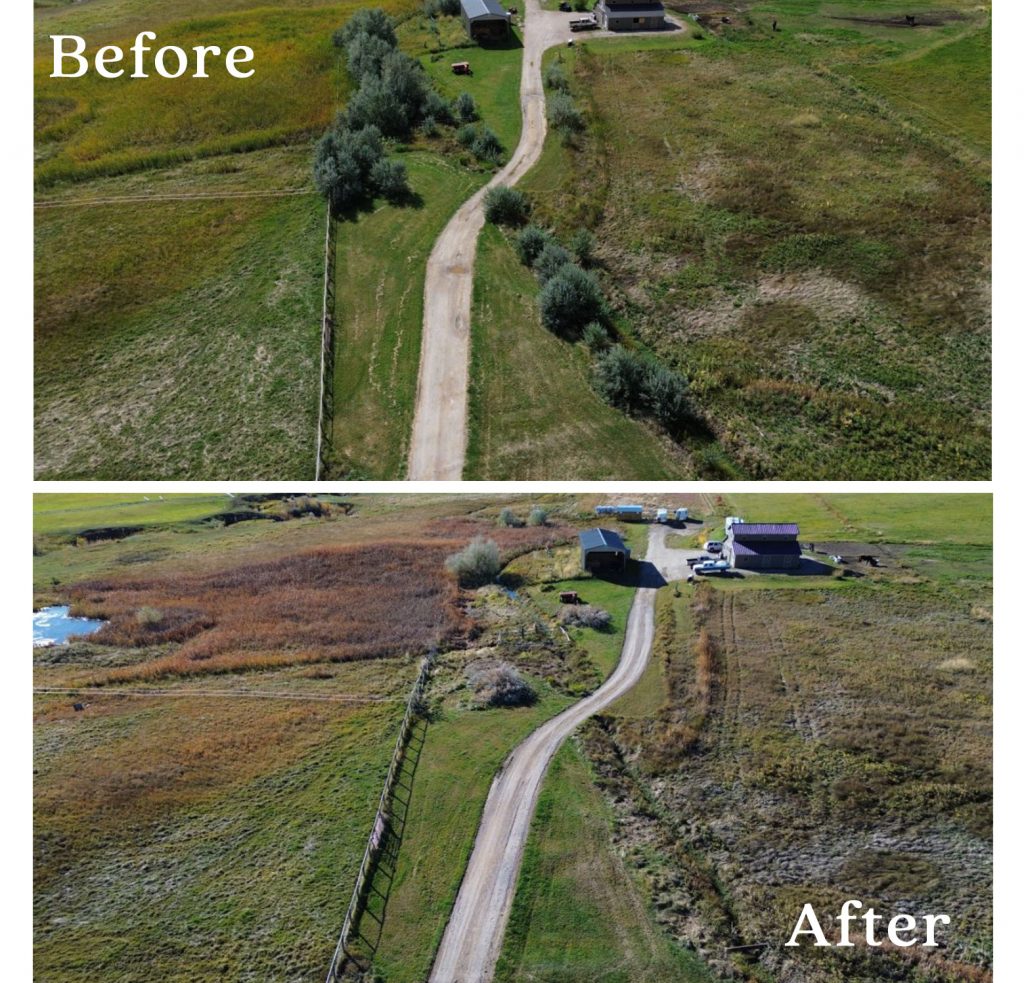
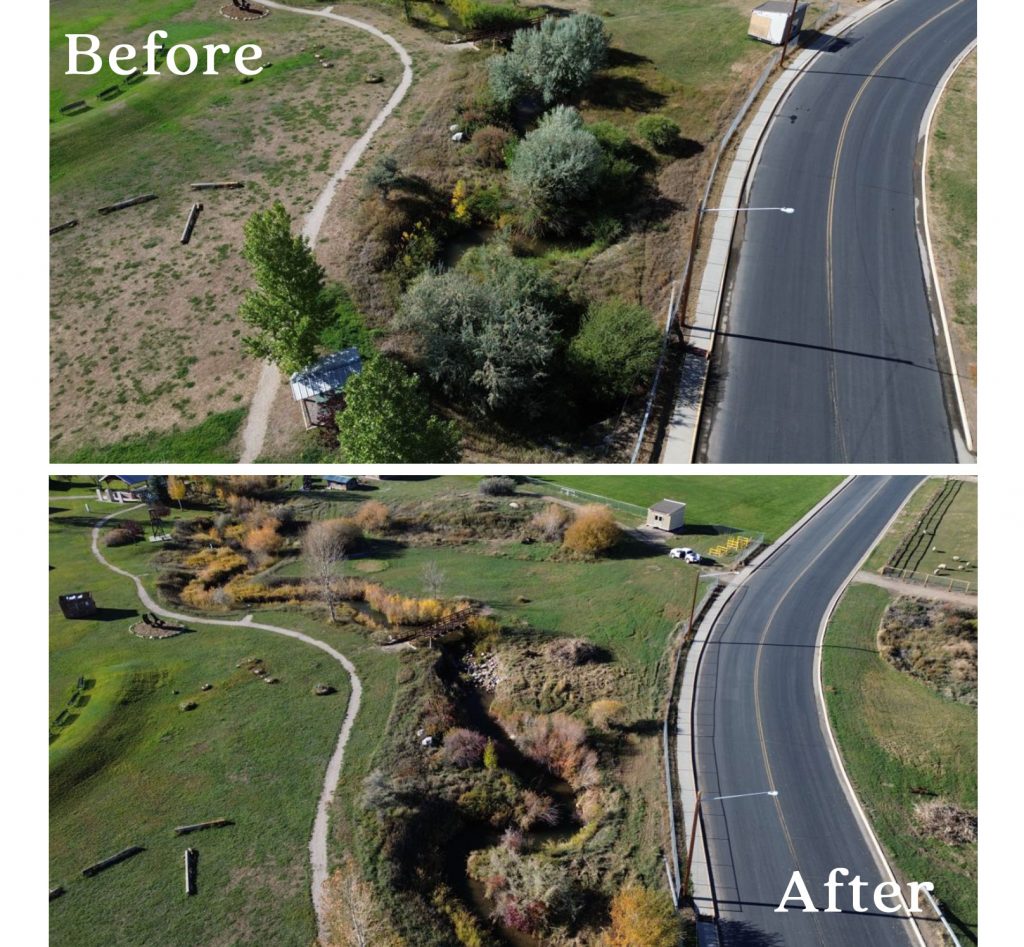
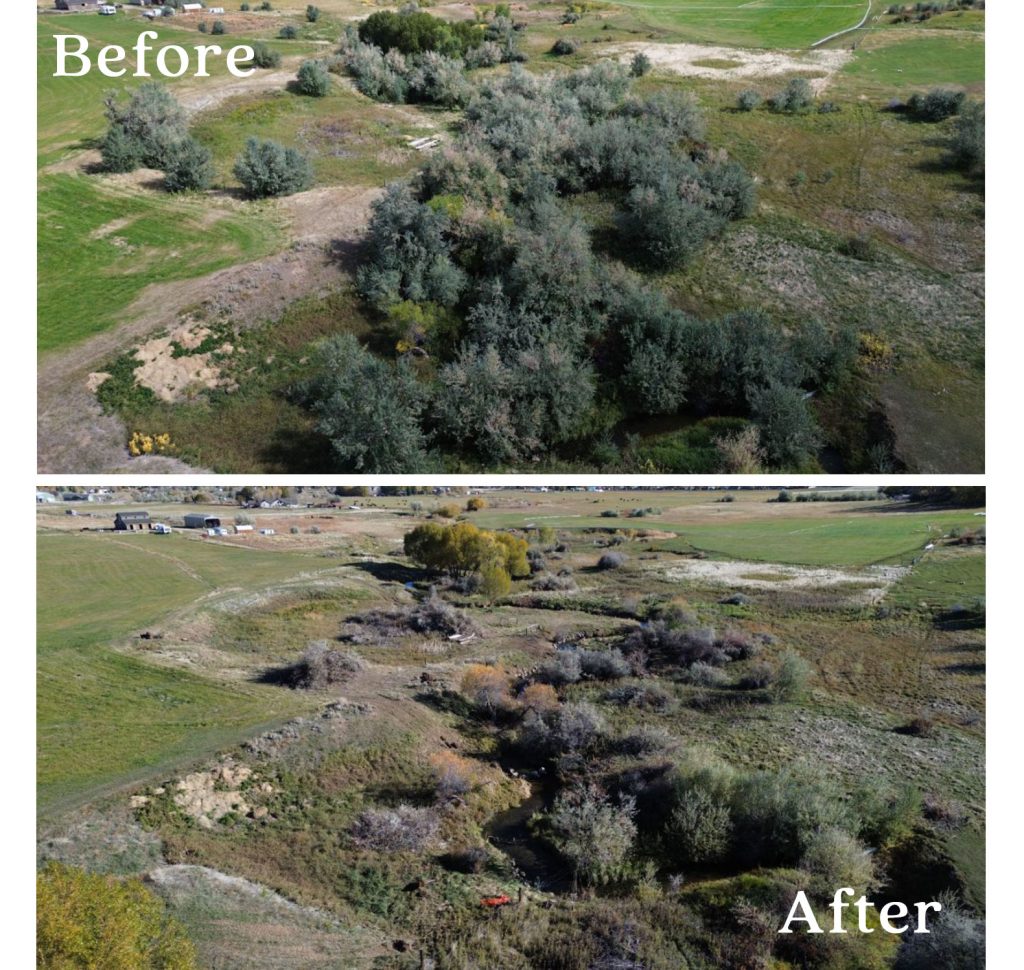
In fall 2026, eight private landowners voluntarily participated in the Baldwin Creek Riparian Restoration Project, resulting in the treatment of 14.21 canopy acres of invasive Russian olive trees. The completed work builds on ongoing conservation efforts throughout the Popo Agie watershed and demonstrates how partnerships with private landowners can advance restoration across the landscape.
Russian olive is a nonnative tree that can quickly establish itself along streams, rivers and wetlands. Although it can provide some food and cover for wildlife, dense stands often outcompete native vegetation, including cottonwoods, willows and other shrubs that contribute to healthy riparian ecosystems. Over time, this competition can reduce native plant diversity, limit wildlife movement and alter the structure of streamside habitats.
For wild turkeys, the health of these corridors is especially important. In Wyoming's often arid landscapes, riparian areas provide dependable access to water, food, cover and travel corridors. Mature cottonwoods offer valuable roosting habitat, while native grasses, forbs and shrubs contribute to nesting and brood-rearing conditions.
These areas are particularly valuable for young wild turkeys. During their first weeks of life, poults depend heavily on protein-rich insects to support their rapid growth and development. Healthy riparian vegetation helps sustain the insect communities that provide this critical food source, while a diverse understory offers opportunities for foraging and protection from predators.
By removing invasive Russian olive trees, the Baldwin Creek project creates opportunities for native vegetation to recover and improve the diversity and structure of the surrounding habitat. Research supported by the NWTF in other western riparian systems has demonstrated that wild turkeys can increase their use of managed areas following Russian olive removal, particularly during brood-rearing season.
The benefits extend well beyond wild turkeys. Healthy riparian corridors help stabilize streambanks, filter runoff, support water quality and provide habitat for a wide variety of wildlife. Restoring native plant communities can also help these landscapes become more resilient to environmental pressures, including drought.
These interconnected benefits are central to the NWTF's Waterways for Wildlife Initiative, which focuses on improving riparian and aquatic habitats across the region. By bringing together conservation partners, landowners and funding resources, the initiative addresses challenges facing waterways while supporting wildlife habitat, watershed health and the communities that depend on these landscapes.
Along Baldwin Creek, restoration work included cutting and piling Russian olive trees and treating the remaining stumps with herbicide to limit regrowth. Recognizing that invasive species management requires continued attention, the project also includes follow-up treatment of resprouts in 2027 and 2028 to help protect the initial investment and support long-term restoration.
The $69,450 project was directed by the Popo Agie Weed Management Area, a local multiagency partnership involving Fremont County Weed and Pest, the Wyoming Game and Fish Department, Wyoming State Forestry and the Popo Agie Conservation District. Together, the partners coordinated funding, recruited interested landowners and secured contractors to complete the work.
Funding included $52,240 from five grants, including the NWTF Waterways for Wildlife Initiative, complemented by $17,210 in matching contributions from participating landowners. Their voluntary involvement underscores the important role private lands play in conserving connected wildlife habitats across Wyoming, particularly in riparian corridors that cross property boundaries.
Although the initial treatments are complete, the ecological benefits will continue to develop as the treated areas recover. With continued management, the project has the potential to encourage native vegetation, improve habitat diversity and strengthen the long-term health of the Baldwin Creek watershed.
"Wildlife don't care about property boundary lines," said David Nikonow, NWTF district biologist for Montana, Wyoming, North Dakota and South Dakota. "They need healthy habitats across the landscape. That's why work like this that treat issues at a watershed level are critical for the critters that live there."
Through Waterways for Wildlife, the NWTF and its partners are demonstrating how targeted conservation projects can deliver benefits far beyond their immediate footprint, improving waterways, strengthening landscapes and supporting the wild turkeys and other wildlife that depend on them.