NWTF Wisconsin Invests in Habitat Conservation at Boscobel Bluffs
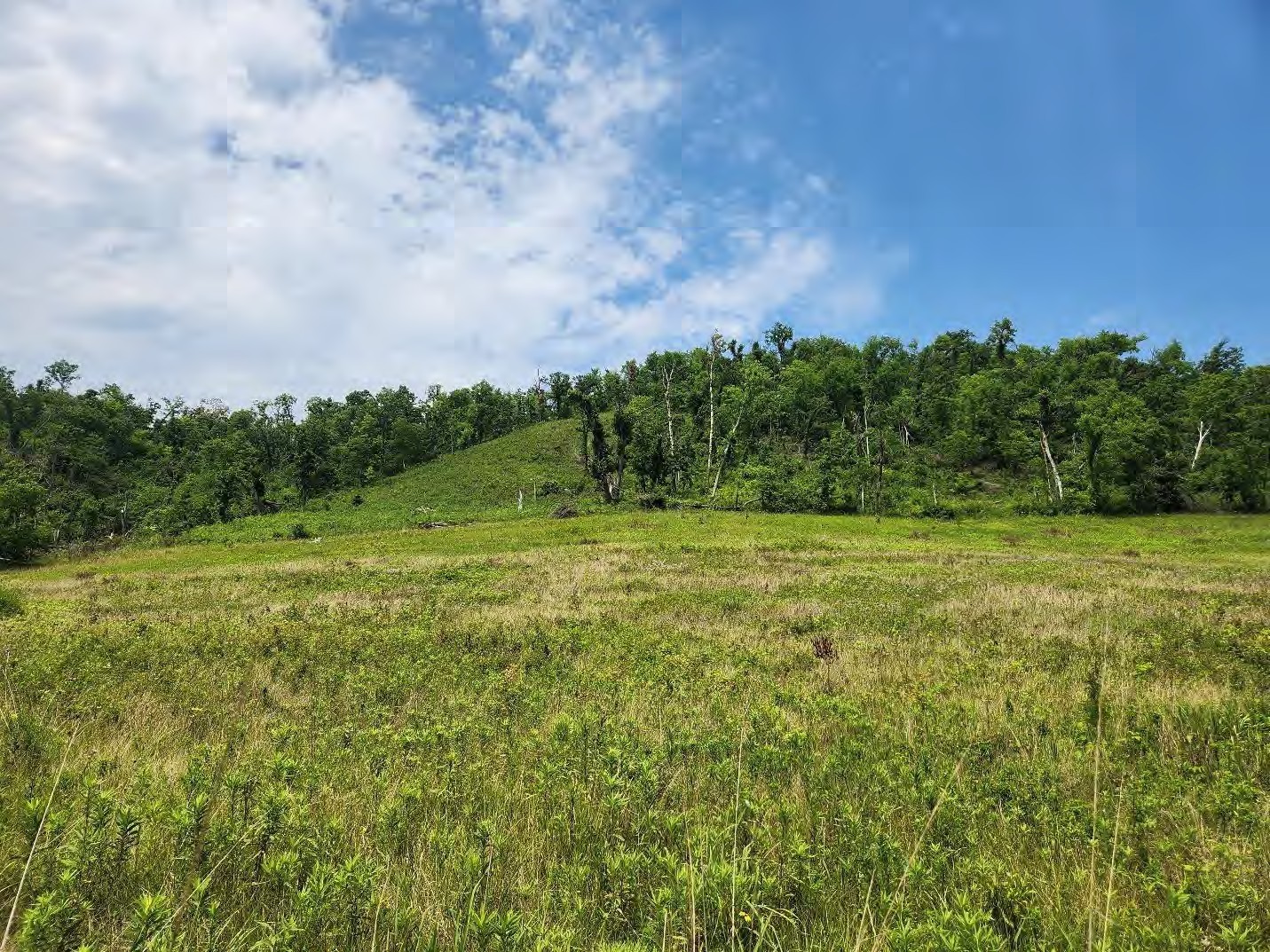
EDGEFIELD, S.C. — The Wisconsin State Chapter of the National Wild Turkey Federation is continuing its commitment to habitat conservation and public access by providing funds for the recent acquisition of Bald Bluff, an 86-acre addition to the Boscobel Bluffs State Natural Area along the Wisconsin River in southwest Wisconsin. The purchase, finalized Dec. 29, 2025, was orchestrated by the Mississippi Valley Conservancy.
The expansion strengthens one of the region’s most scenic and ecologically important landscapes while safeguarding public access to high-quality habitat for wildlife and outdoor recreation. The purchase was made possible through a combination of conservation-focused grants and partnerships committed to conserving Wisconsin’s natural resources for future generations.
Access to public lands like Bald Bluff plays a critical role in preserving hunting heritage and ensuring the next generation has opportunities to experience the outdoors. Recognizing that value, the NWTF Wisconsin State Chapter allocated funding through its Super Fund to the project in fiscal year 2025, reinforcing the NWTF’s mission to conserve the wild turkey and preserve our hunting heritage.
The Wisconsin NWTF State Chapter’s support of the Mississippi Valley Conservancy extends well beyond this project. The organization has previously backed turkey habitat improvement efforts and helped fund the acquisition of the 198-acre Woodman Floodplain property located a few miles downstream on the Wisconsin River.
Additional funding for the Bald Bluff acquisition came from the Wisconsin Knowles-Nelson Stewardship Fund, the Wisconsin Land Fund and a generous donation from the Simes family, who owned and carefully managed the property with conservation in mind for more than 40 years.
With Bald Bluff now conserved, the Boscobel Bluffs State Natural Area has grown to 475 contiguous acres, offering expanded opportunities for public hunting, hiking and wildlife viewing. The property’s forested bluffs are dominated by mature bur, red and white oak, with a diverse understory of native plants such as lead plant, Canada wild rye, panic grass, upland boneset, alumroot and Culver’s root.
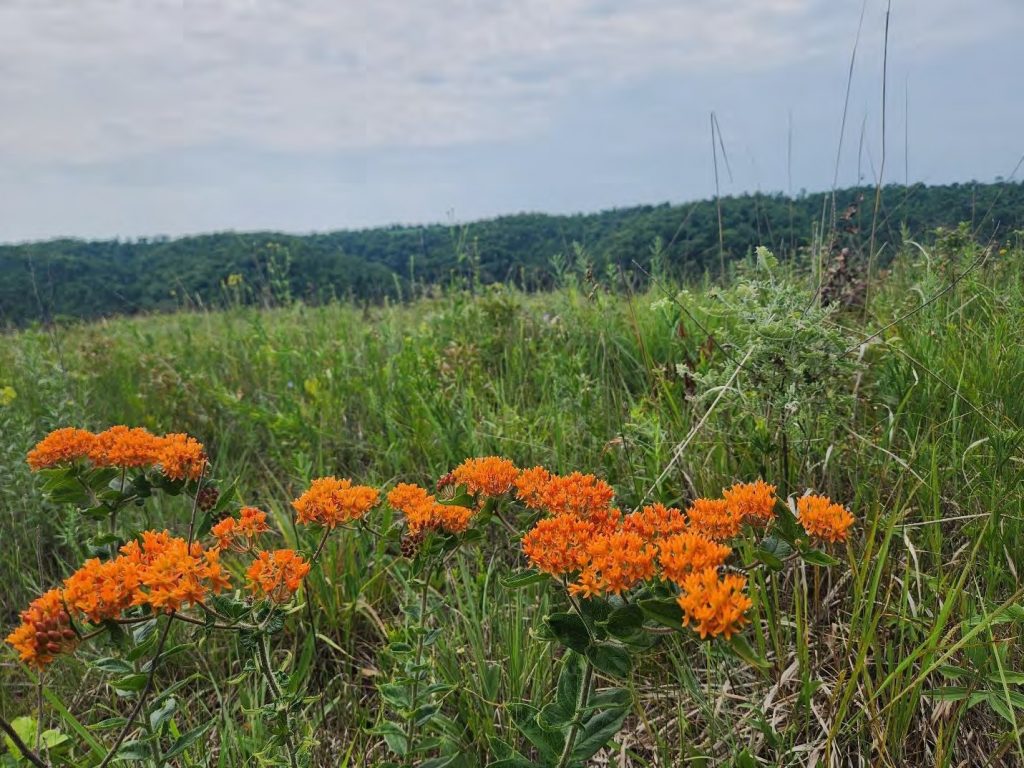
Those habitats support a wide array of wildlife, including white-tailed deer and wild turkeys, along with numerous bird species such as barred owls, Cooper’s hawks, red-tailed hawks, blue-gray gnatcatchers and both black-billed and yellow-billed cuckoos.
“It’s not just for turkey hunters,” said Clayton Lenk, NWTF district biologist for Wisconsin, Minnesota, North Dakota and South Dakota. “This property provides accessible outdoor space for people from the surrounding population centers, supporting a range of recreational uses.”
About the National Wild Turkey Federation
Since 1973, the National Wild Turkey Federation has invested over half a billion dollars into wildlife conservation and has positively impacted over 25 million acres of critical wildlife habitat. The NWTF has also invested over $10 million into wild turkey research to guide the management of the wild turkey population and to ensure sustainable populations into perpetuity. The organization continues to deliver its mission by working across boundaries on a landscape scale through its Four Shared Values: clean and abundant water, healthy forests and wildlife habitat, resilient communities, and robust recreational opportunities. With the help of its dedicated members, partners and staff, the NWTF continues its work to provide Healthy Habitats. and Healthy Harvests. for future generations.