Opportunistic Predation
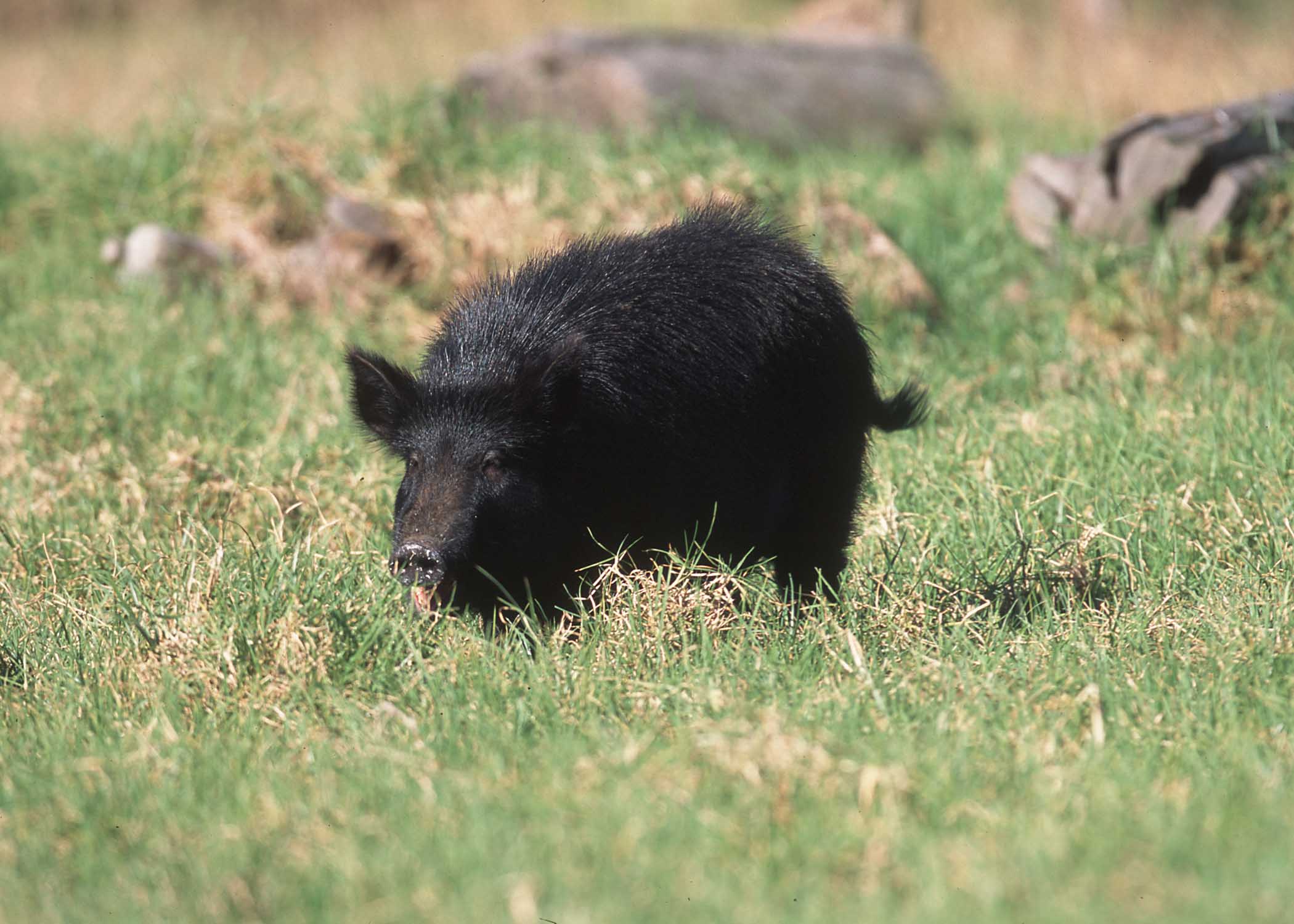
Several friends have told me that wild pigs are one of the worst nest predators for wild turkeys. Has anyone looked into this issue?
"Several friends have told me that wild pigs are one of the worst nest predators for wild turkeys. Has anyone looked into this issue?" — Scott Lindsay, Homerville, Georgia.
Thanks for your question about depredation of wild turkey nests. Concern about nest predation has always been on the minds of turkey hunters. Given widespread declines in wild turkey numbers, questions about predation often come up in conversations. Some turkey hunters assume that predation is a major cause of decreases in turkey numbers. Predation is certainly a factor that affects wild turkey populations, but it is only one of several potential influences on survival and recruitment.
Feral hogs (aka wild pigs) are included on the long list of animals known to prey upon wild turkey nests. That list includes the usual suspects like raccoons, opossums, striped skunks, spotted skunks, squirrels, fishers, red foxes, gray foxes, coyotes, free ranging dogs, bobcats, corvids such as jays, crows, ravens and magpies, a variety of snakes and even armadillos. Studies involving nesting hens have reported nest loss rates (due to predation or abandonment) ranging from approximately 50% to 80%. The bottom line is that most wild turkey nests do not result in successful hatching of broods.
A review of the literature on wild turkey nesting success paints a dismal picture of the future of most nests; however, wild turkeys have flourished for thousands of years despite the grim fate of many nesting attempts. That is typical among ground-nesting birds. Although feral hogs have been suspected as predators of wild turkey nests, intensive studies have failed to implicate them as serious predators. There is no doubt hogs can disturb incubating or laying hens as they forage on occasion and they certainly will eat eggs. Given the nutritional requirements of hogs, it is unlikely that searching for wild turkey nests would be an efficient method of meeting those needs. If hogs were dedicated nest predators, you would expect nest losses to be considerably higher in areas where feral hogs are found. Rates of nest losses are quite consistent across the board over much of wild turkey range whether they share their habitat with hogs or not. There is some evidence that hog activity can displace or discourage wild turkey use of some areas, especially artificial feeding locations. The two species prefer similar habitat types and share home ranges. Habitat use during the reproductive period for wild turkeys tends to differ between the two species limiting potential for nest predation by pigs.
Studies of raccoon behavior in Louisiana suggest that nest predation by these known egg eaters indicate that marked raccoons did not actively search for turkey nests. Rather they predated nests if they happened upon them. The same is likely true for other notorious nest predators.
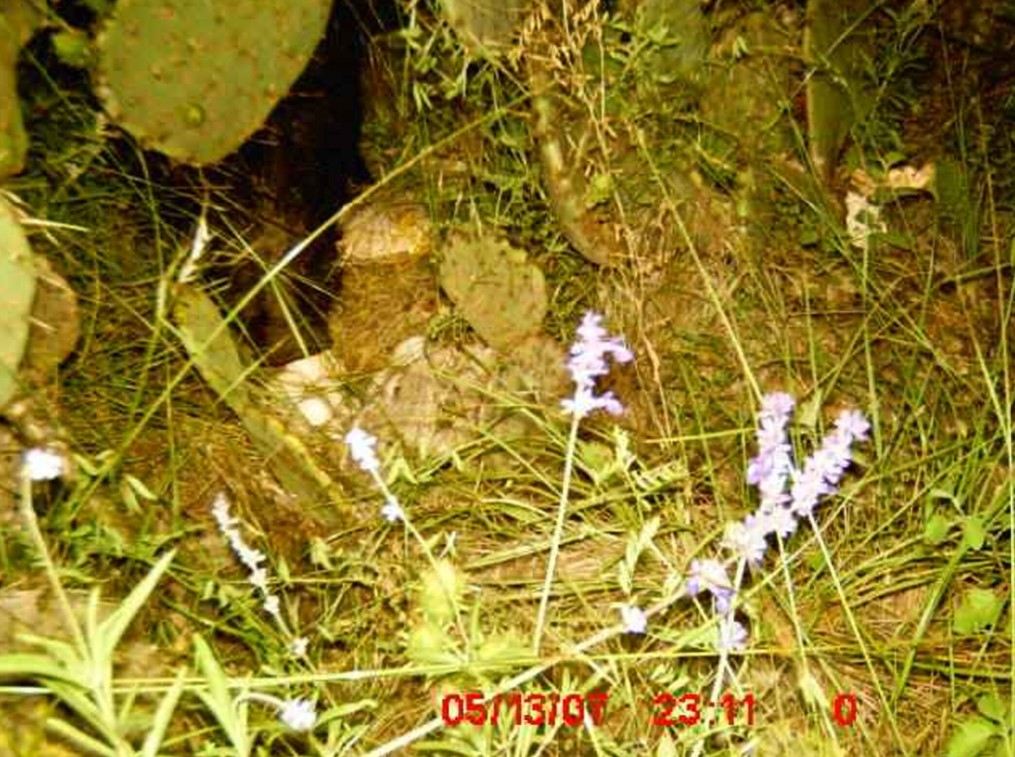
Even so, predation is a significant factor in nest losses and abandonment. A recent review of intensive studies in the Southeast by researchers Bret Collier, Ph.D., and Michael Chamberlain, Ph.D., included data from Louisiana, Georgia and Texas where 909 nesting attempts were monitored. Of those, only 211 (23.2%) successfully hatched. Failure of the other 698 nests (76.7%) was attributed to a variety of causes including flooding, disturbance, abandonment for unknown reasons and depredation. Often predators destroy eggs within close proximity to the nest leaving shell fragments. In some incidents the eggs are carried off. A small percentage of these failed nests were predated by critters that are known to carry eggs away from the nest site, including wild pigs (111 nests or 12.7%). At least a dozen species of predators are capable of removing eggs from wild turkey nests. As one of many species raiding turkey nests, wild pigs likely account for a small portion of the total depredation incidents.
The authors concluded that wild pigs account for a small portion of nest depredation annually. That said, there are a number of reasons to reduce wild pig numbers and to avoid introducing the species to anywhere they are currently not found. Wild pigs are not an endemic species in North America. As an introduced species, they share an ecological niche with wildlife species that are native to North America, potentially competing for space and food with more desirable wildlife species. Wild pigs are a threat to agricultural operations causing crop damage and increasing potential for disease transmission.